The Unsolved Murder of Marshall Woodward: Detroit, MI, September 14, 2016
On September 14, 2016, Marshall Dale Woodward, a 40-year-old resident of Detroit, Michigan, was murdered on the city’s southwest side. While Detroit has long struggled with high crime rates, the killing of Marshall Woodward stands out not only for its tragedy but also for the lingering questions that surround the case. Years have passed, yet the murder remains unsolved, leaving family, friends, and community members searching for answers and justice.
The Life of Marshall Woodward
Marshall Dale Woodward was born on March 18, 1976. According to his obituary, he was a beloved son, friend, and community member. Though not a widely publicized figure, those who knew Marshall described him as a caring individual with deep roots in Detroit. His life, like so many others in the city, was shaped by the challenges and opportunities of urban living in Michigan’s largest metropolis.
Personal Background
Marshall grew up in Detroit and spent most of his life on the city’s southwest side. He was known for his easygoing nature and willingness to help those around him. Details about his family, employment, and daily life remain largely private, but his tragic death thrust his name into the public eye.
The Night of the Murder: September 14, 2016
On the evening of Wednesday, September 14, 2016, Marshall Woodward was killed on Detroit’s southwest side. According to a press conference held by local authorities, the incident occurred in a residential neighborhood—a place where many residents expected safety and community. Details from the press conference confirm that Marshall was 40 years old at the time of his death, and his passing was officially recorded on that date.
Location and Circumstances
The southwest side of Detroit has long been a vibrant, diverse area, but it has also faced significant struggles with crime and poverty. The specifics of the crime scene, such as the street or property where Marshall was killed, have not been widely reported. What is clear is that his death was classified as a homicide and investigated by the Detroit Police Department’s Homicide Section.
Initial Police Response
Upon receiving reports of the shooting, Detroit police responded to the scene. Officers secured the area and began collecting evidence. As with many homicide investigations in Detroit, the early hours and days were crucial for gathering witness statements and forensic data. Yet, as time went on, leads in the case appear to have dwindled.
Investigative Challenges and Unanswered Questions
The investigation into Marshall Woodward’s murder faced several obstacles. Unlike high-profile cases that generate significant media attention and public tips, Marshall’s case did not receive extensive coverage. This lack of visibility may have hindered the flow of information crucial for solving the crime.
Confusion with Other Cases
Research reveals that there are multiple individuals named Marshall Woodward with records in Michigan, including a Marshall Junior Woodward who died in Monroe County in 1979. Additionally, a 2019 Detroit Police Department report describes a separate homicide and police action on September 14, 2019, but this incident is unrelated to Marshall Dale Woodward’s case. Such confusion can complicate public understanding and even impact investigative efforts when cases are conflated or misreported.
Lack of Public Updates
Since the initial announcement of the murder, there have been few, if any, public updates from law enforcement regarding suspects, motives, or arrests. This silence is not uncommon in cases where leads are scarce or when authorities are working discreetly. However, for families and communities, the absence of information can be deeply frustrating and prolong the pain of loss.
Detroit’s Broader Struggle with Violent Crime
Marshall Woodward’s murder is part of a broader pattern of violence that has affected Detroit for decades. The city’s homicide rate has often ranked among the highest in the United States, and many cases remain unsolved. Factors such as poverty, unemployment, and strained police-community relations contribute to the difficulty of solving violent crimes.
2016 Crime Trends in Detroit
- Detroit reported hundreds of homicides in 2016, with the southwest side experiencing a significant share of violent incidents.
- The clearance rate for homicides in Detroit has historically lagged behind the national average, meaning many families never see justice served.
- Community organizations and law enforcement have worked to improve trust and cooperation, but challenges persist.
The Impact on the Community
Each unsolved murder leaves a lasting impact on the community. Friends and family of Marshall Woodward continue to mourn his loss, while neighbors are reminded of the fragility of safety in their own backyards. Unsolved homicides can fuel fear and distrust, making it harder for residents to work with police or feel secure in their neighborhoods.
Remembering Marshall Woodward
Despite the lack of resolution in his case, Marshall’s memory endures among those who knew him. His obituary and the recollections of friends and family serve as a testament to a life cut short. In Detroit and beyond, remembering victims is a crucial part of the healing process and a way to keep pressure on authorities to pursue justice.
Family and Community Tributes
Marshall’s obituary, published shortly after his death, highlights his importance to loved ones. While public memorials or vigils have not been widely reported, private remembrances continue. For many families affected by violence, these acts of remembrance are a source of strength and solidarity.
The Ongoing Search for Answers
As of this writing, Marshall Woodward’s murder remains unsolved. The Detroit Police Department’s Homicide Section continues to investigate homicides across the city, but without new evidence or witness testimony, progress can be slow. The case underscores the importance of community cooperation and the need for ongoing attention to unsolved crimes.
How the Public Can Help
- Anyone with information about Marshall Woodward’s murder is encouraged to contact the Detroit Police Department or Crime Stoppers.
- Anonymous tips can often make a difference in breaking open cold cases.
- Community involvement remains critical to improving safety and achieving justice.
Conclusion: Seeking Justice and Healing
The murder of Marshall Woodward on September 14, 2016, is a stark reminder of the ongoing challenges facing Detroit and cities like it. While the case has faded from headlines, the need for answers and accountability persists. For the family and friends of Marshall Woodward, as well as the broader Detroit community, justice remains elusive.
If you have any information regarding this case, consider reaching out to local authorities. Every tip, no matter how small, could help bring closure to a grieving family and contribute to a safer Detroit.
For more information about unsolved homicides in Michigan, see the List of Homicides in Michigan.
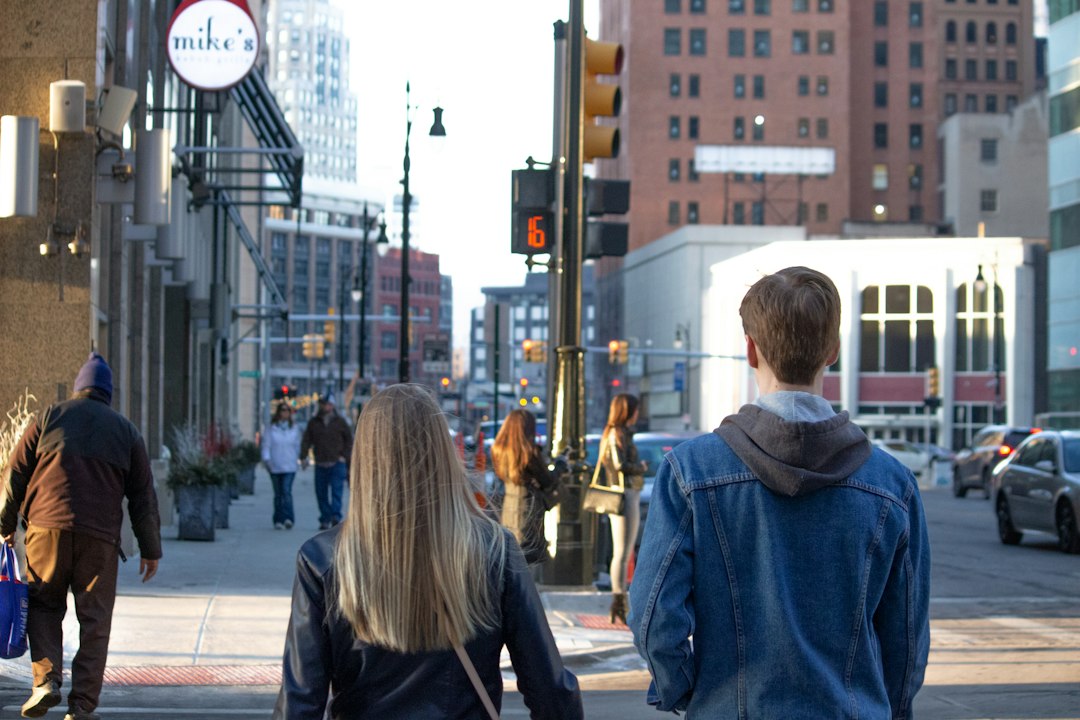
Photo by Kyle E on Unsplash
Discover more from City Towner
Subscribe to get the latest posts sent to your email.