
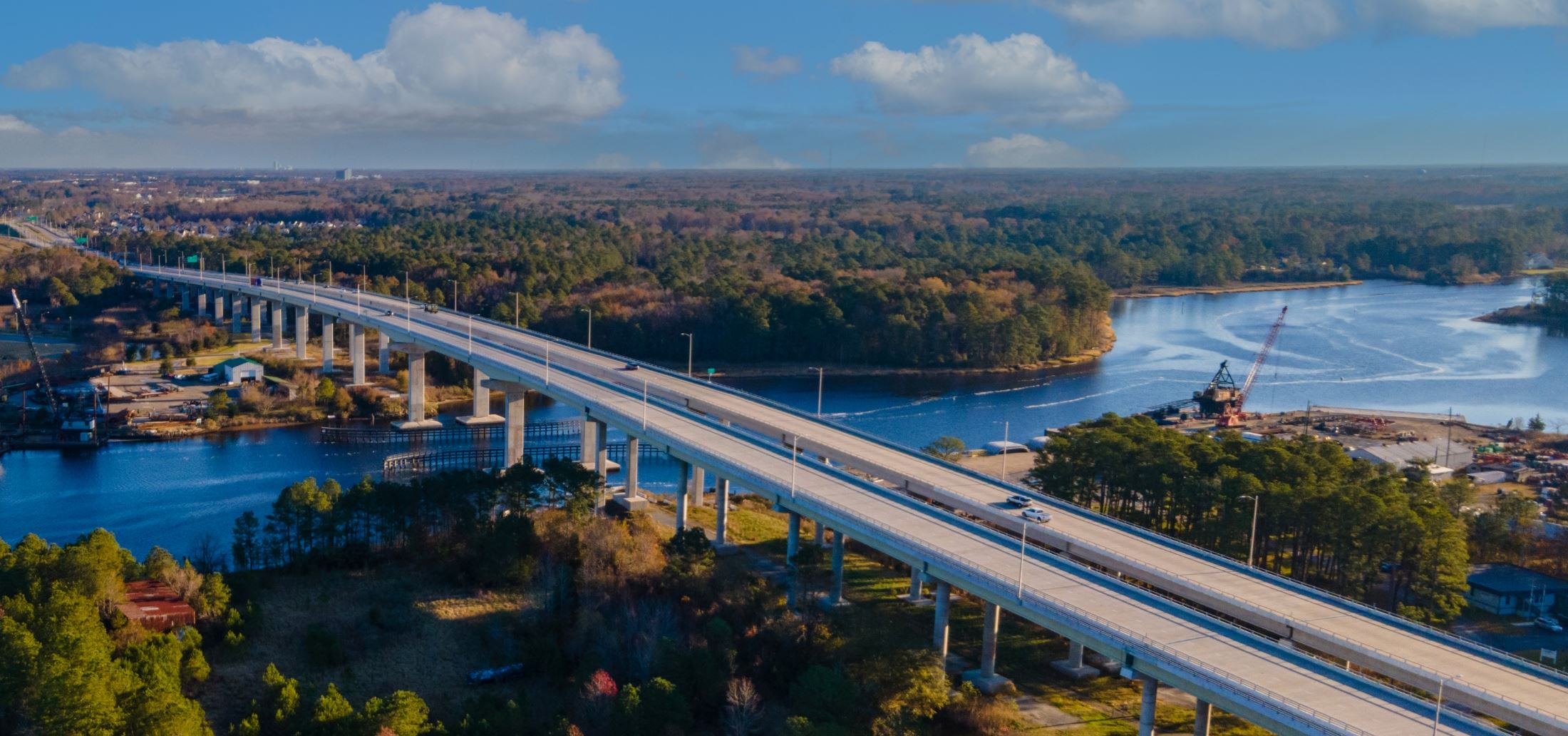
History of Chesapeake Virginia
Chesapeake, Virginia is a city that often surprises people who think they already understand coastal Virginia. It is large, diverse in landscape, and shaped by water in ways that are both obvious and subtle. You can drive from suburban neighborhoods to quiet rural roads, from busy commercial corridors to stretches of marsh and forest that feel far removed from city life. That variety is not accidental. It is the result of centuries of settlement patterns, transportation routes, agriculture, industry, and a long relationship with the waterways that define the Tidewater region.
The history of Chesapeake is not only the story of one city. It is the story of communities that existed separately for generations and later came together under one name. It is also the story of Virginia’s southeastern borderlands, where Indigenous presence, English colonization, slavery, farming, canals, rail lines, and modern growth all left lasting marks. Chesapeake today is both a modern suburb for the Hampton Roads area and a place that still carries the imprint of earlier eras in its landscapes, place names, and local traditions.
The Land Before the City and the First Communities
Long before Chesapeake became a modern city, the land was home to Indigenous peoples who understood the region through water, seasonal cycles, and interconnected paths. The Tidewater environment offered fish, shellfish, fertile soils, and access to broader trade networks through rivers and inlets. The geography shaped daily life. Marshes, creeks, and forests created natural boundaries but also provided resources that made settlement sustainable.
When English colonists began establishing footholds in Virginia, the broader region around what is now Chesapeake became part of a contested and changing frontier. Over time, European settlement expanded south and east from earlier colonial centers. Land was surveyed, claimed, and organized, and the systems of colonial governance began to take shape. As plantations and farms expanded, so did the dependence on enslaved labor, a reality that became deeply embedded in the region’s economy and social structure for centuries.
Colonial Era Development and the Rise of Agriculture
The colonial period in southeastern Virginia was defined by agriculture, waterways, and the growth of plantation based production. The land that would become Chesapeake included areas valued for fertile soil and access to navigable waters. Farms and plantations relied on the ability to move goods along rivers and canals to reach markets. Even when roads were poor or unreliable, waterways offered dependable routes for commerce.
Agriculture shaped the rhythm of life. Planting and harvest seasons influenced labor patterns, community gatherings, and the flow of local trade. As settlements grew, churches, small crossroads, and market points developed. These were not city centers in the modern sense, but they became anchors for community identity. Families built roots across generations, and the landscape gradually took on the patchwork appearance of fields, timber, and homesteads.
The institution of slavery was central to this era. Enslaved Africans and their descendants provided forced labor that supported agricultural output and household economies. Their skills, resilience, and cultural influence became part of the region’s fabric, even as they were denied freedom and rights. Understanding Chesapeake’s early history requires acknowledging this foundation, because it shaped everything from wealth and land ownership to demographic patterns that persisted long after emancipation.
Waterways, Trade, and the Canal Era
One of the most distinctive elements of Chesapeake’s historical development is its connection to canals and engineered waterways. In an era when transportation determined economic success, canals were transformative. They made it possible to move goods more efficiently across regions, linking inland communities to broader markets. They also supported the movement of timber, agricultural products, and later industrial materials.
The canal era changed how people thought about the region. It was no longer only defined by what could be produced locally. It became a corridor, a connector, a place where movement and trade could shape prosperity. Communities formed along these routes, benefiting from commerce and the steady flow of people and goods. Over time, these transportation networks helped establish the region’s long term importance within the broader Hampton Roads area.
Waterways were not only commercial. They shaped culture and identity. Fishing, boating, and water based work became part of daily life for many families. The landscape encouraged a relationship with nature that was both practical and personal. Even today, Chesapeake’s marshes, rivers, and canals continue to define its sense of place.
Civil War Era Tensions and Lasting Change
During the Civil War era, southeastern Virginia held strategic importance, and the broader Tidewater region experienced military activity, disruption, and political transformation. Communities faced divided loyalties, shifting control, and the realities of war on daily life. The end of the conflict brought emancipation, but it also brought uncertainty and struggle as the South tried to rebuild an economy and society that had depended on enslaved labor.
For newly freed African Americans, the post war period was filled with both hope and harsh resistance. Families sought to establish independence, build institutions, and claim education and economic opportunity. At the same time, laws and practices emerged to restrict rights and reinforce racial hierarchy. The legacy of Reconstruction and the era that followed shaped community patterns, schooling, land ownership, and political power for generations.
The Civil War and its aftermath were turning points that changed the region’s trajectory. Even as agriculture remained important, the forces of modernization were beginning to reshape the South. Transportation networks expanded, new industries emerged, and population movement gradually increased.
Railroads, Roads, and the Transition to Modern Growth
As the nineteenth century gave way to the twentieth, railroads and improved roads brought new connections and new possibilities. Communities that had once been relatively isolated could now interact more frequently with nearby cities and commercial centers. This shift gradually transformed local economies. While farming and timber remained important, people gained more options for work, trade, and travel.
These changes also influenced settlement patterns. Areas that were once rural began to develop into small towns or suburban style communities. Businesses clustered near transportation routes. Schools, churches, and civic organizations grew in importance as communities became more interconnected. The region’s relationship to the larger Hampton Roads area strengthened, setting the stage for the later growth that would define Chesapeake’s modern identity.
The twentieth century brought major national changes that played out locally as well. Economic shifts, war time production, and the expansion of military and port related activities across Hampton Roads all influenced how nearby communities evolved. Chesapeake’s development was tied to these broader forces, even as it maintained its own distinct landscape and character.
The Creation of Chesapeake and the Consolidation of Communities
Modern Chesapeake is the product of consolidation, when separate communities and jurisdictions merged into one city. This kind of change reflects a broader trend in parts of Virginia, where local governments reorganized to better manage growth, services, and regional planning. The creation of Chesapeake marked a new chapter, bringing together different areas with different identities under one civic structure.
This merger mattered because it reshaped how residents thought about place. People who had once identified primarily with a smaller community now shared a broader city identity. The city’s size and diversity meant it could not be defined by a single downtown or a single type of neighborhood. Chesapeake became a city of many centers, each with its own personality, from more developed commercial zones to quieter rural areas.
The formation of the city also reflected the pressures and opportunities of the post war era. Population growth, suburban expansion, and regional economic development required new approaches to governance. Chesapeake had to plan for schools, roads, utilities, and public services across a wide and varied landscape. That challenge became part of its modern story.
Chesapeake in the Late Twentieth Century and Beyond
As Hampton Roads grew, Chesapeake grew with it. Suburban development expanded, bringing new neighborhoods, shopping areas, and infrastructure. At the same time, large parts of Chesapeake remained rural and environmentally sensitive. That balance continues to shape the city’s identity. It is a place where growth is real, but nature is still visible and influential.
Economic life diversified. Residents worked across the region in industries tied to ports, military installations, healthcare, education, and private enterprise. Chesapeake became increasingly integrated into the daily flow of Hampton Roads, with commuting patterns connecting it to neighboring cities. Yet it also preserved a sense of local community through neighborhood life, schools, and civic involvement.
The city’s size can be surprising to outsiders. Chesapeake includes broad stretches of land and water, and that geography requires thoughtful planning and a respect for natural systems. Flooding, storms, and environmental protection are not abstract concerns here. They are part of life in a coastal region where water brings both beauty and risk.
A History Written by Water, Land, and People
Chesapeake’s story is ultimately about relationship. Relationship to land and its fertility, relationship to water and its pathways, relationship to the communities that grew over time, and relationship to the broader region that surrounds it. It is a city shaped by both continuity and change. Some families have deep roots that stretch back generations. Others arrived recently, drawn by opportunity and a strong quality of life.
History is visible in the names of places, in the routes that still follow older patterns, and in the blend of rural and suburban environments. You can sense earlier eras in the quiet stretches of marsh and field, and you can see modern momentum in the city’s growth corridors. Chesapeake is not a museum of the past, but it carries the past with it, influencing how the city moves forward.
For anyone trying to understand Chesapeake, it helps to look beyond a single narrative. This is a place built from many communities, many histories, and many landscapes. Its identity is broad because its geography is broad. And its story continues to evolve as new residents arrive, new developments emerge, and the city navigates the challenges and opportunities of coastal Virginia in the modern era.
Discover more from City Towner
Subscribe to get the latest posts sent to your email.