25 Fun Facts About Glendale Arizona
Glendale, Arizona is a city that surprises people who think they already know the Phoenix area. It can feel like several places at once: a historic suburb with old neighborhood charm, a modern entertainment hub that draws national attention, and a family centered community where daily life is built around schools, parks, and local routines. Glendale has deep roots in agriculture and irrigation, but it also embraces big modern projects, from sports and concerts to shopping and tourism. That mix creates a city identity that is both practical and energetic.
Glendale’s story is closely tied to the desert itself. Everything from street layouts to landscaping reflects the realities of heat, sunlight, and the constant importance of water. At the same time, Glendale is shaped by people who have made it home across many generations, bringing their cultures, traditions, and small business dreams into the fabric of the city. The result is a place where you can find a quiet neighborhood morning, then drive a short distance and step into a weekend crowd that feels like a major event city.
What makes Glendale fun to learn about is the range of experiences it offers. The city has historic pockets and modern districts. It has family festivals and national sporting events. It has desert open spaces nearby and dense shopping corridors. If you are looking for a list of fun facts that captures Glendale’s personality, you want facts that reflect both its origin story and the way it lives today.
How Glendale Grew and Why It Feels So Distinct
Glendale began as a farming community built around irrigation in the northwest Valley. In its earliest decades, it was defined by fields, canals, and the kind of neighborly cooperation that makes desert agriculture possible. As the Phoenix region expanded, Glendale shifted from a primarily agricultural town into a growing city with expanding neighborhoods, schools, and commercial areas. Over time, it developed its own identity instead of becoming just another part of the metro map.
One reason Glendale stands out is how clearly it shows the transitions of the American Southwest. You can still find reminders of the older, slower paced Glendale in its historic areas and longtime local institutions. But you can also see the modern Glendale in its large entertainment zones, its regional shopping pull, and its role as a destination for events that bring visitors from across Arizona and beyond.
Glendale also has a strong community feel. Many residents experience it as a place where family life is central, where people return to the same parks, the same restaurants, and the same weekend routines. That “regular life” foundation is part of why the city can support major destinations without losing its day to day identity.
25 Fun Facts About Glendale, Arizona
1: Glendale is one of the older cities in the Phoenix area
Glendale’s early development dates back to the late nineteenth century, giving it a longer local history than many nearby suburbs that grew later.
2: Glendale began as a farming and irrigation community
The city’s earliest growth was tied to irrigation and agriculture, which helped turn desert land into productive fields.
3: Glendale is part of the northwest Valley
Locals often describe Glendale by its position in the metro area, with quick access to multiple nearby cities and major routes.
4: Glendale has a well known historic downtown area
Downtown Glendale is recognized for its older buildings, walkable vibe, and a more relaxed pace than newer commercial districts.
5: The city is a major sports and entertainment destination
Glendale draws large crowds for major games, concerts, and events, which gives it a national profile beyond a typical suburb.
6: Glendale hosts massive event day crowds
On big event days, parts of Glendale can feel like a completely different city due to the surge of visitors.
7: Glendale is known for shopping and dining districts
The city has major retail corridors and entertainment focused areas where dining is designed for groups and celebrations.
8: You can experience two different Glendales in one day
A quiet historic morning and a high energy event night can happen within a short drive, which is part of Glendale’s charm.
9: Glendale’s growth mirrors the postwar suburban boom
Like much of the region, Glendale expanded significantly as car culture and new housing development reshaped the Valley.
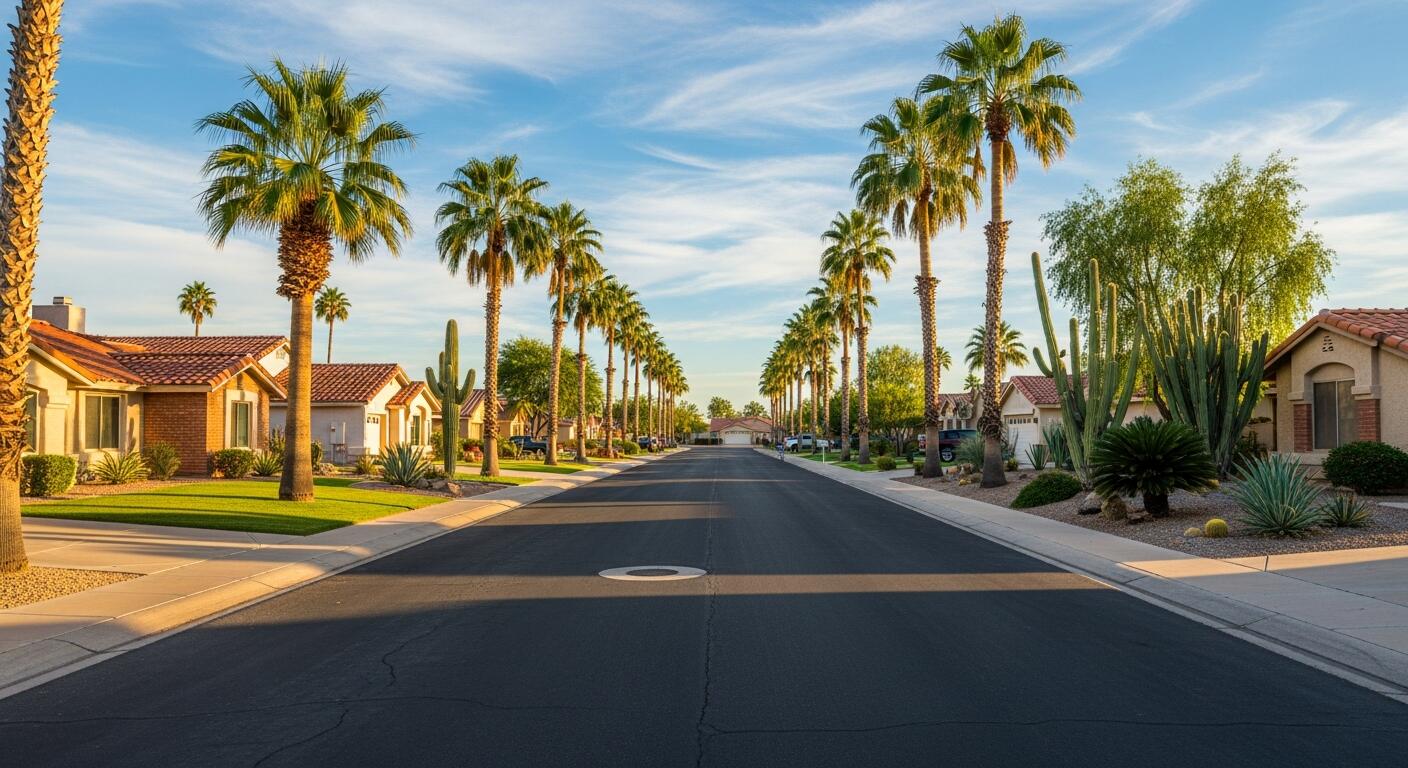
10: Glendale is a city built for desert living
Shade structures, desert landscaping, and heat conscious design are common, reflecting how residents adapt to summer conditions.
11: Water has always been central to Glendale’s success
From early irrigation to modern conservation, Glendale’s story reflects the desert reality that water planning is everything.
12: Glendale has a strong family oriented identity
Many neighborhoods feel designed around schools, parks, and community routines, which shapes the city’s everyday culture.
13: Glendale’s restaurant scene is more diverse than outsiders expect
The city offers a mix of Southwest flavors and international cuisines that reflect the broader diversity of the metro area.
14: Glendale has a strong breakfast culture
Early schedules, weekend routines, and local diners help make breakfast and brunch a major part of local food life.
15: Glendale is known for hidden food gems in unexpected plazas
Some of the best local spots are tucked into everyday commercial centers, rewarding people who explore.
16: Glendale has a blend of older neighborhoods and newer developments
You can see multiple eras of housing and planning across the city, from mid century patterns to modern master planned areas.
17: Glendale’s climate shapes its lifestyle
Outdoor activities often shift by season, with cooler months bringing more festivals, walks, and patio dining.
18: The city’s parks and recreation spaces play a big role
Neighborhood parks and sports fields are important gathering points for families and community groups.
19: Glendale’s location makes it a regional crossroads
Being close to major routes helps Glendale attract visitors for events and makes commuting practical for many residents.
20: Glendale has a strong sense of local tradition
Community events, seasonal gatherings, and long running local businesses help keep the city’s identity grounded.
21: Glendale’s entertainment areas influence the local economy
Hospitality, food service, retail, and event related work create a distinct economic layer compared with purely residential suburbs.
22: Glendale is often associated with Arizona’s biggest game days
When major matchups happen, Glendale becomes a focal point for statewide attention.
23: Glendale has a mix of old charm and modern ambition
It is a city where historic character and big development projects exist side by side.
24: Glendale is a place where local and visitor experiences overlap
Residents live everyday life around areas that visitors may see only during major events, creating a unique city dynamic.
25: Glendale continues to evolve while keeping its roots visible
Even with modern growth, you can still find reminders of Glendale’s earlier identity in its historic districts and community culture.
Why These Facts Matter
Fun facts are most meaningful when they reveal a city’s personality, not just trivia. Glendale’s personality is shaped by contrast. It is calm and busy, historic and modern, routine and event driven. The city’s deeper story is about transformation without losing its sense of community. That is why Glendale can host huge crowds and still feel like a place where neighbors recognize each other at local shops.
Glendale’s future will likely keep building on that same pattern. As the region grows and changes, Glendale will continue balancing residential life with regional destination energy, and it will keep finding new ways to express its identity in the middle of a fast moving metro area.
Discover more from City Towner
Subscribe to get the latest posts sent to your email.