The History of Glendale Arizona
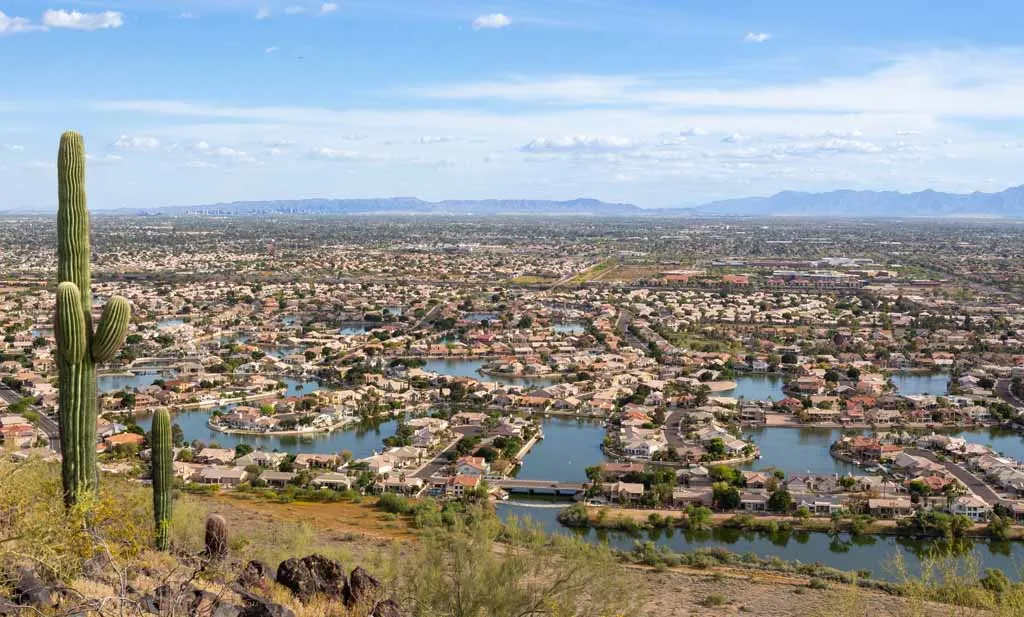
Glendale, Arizona sits in the northwest portion of the Phoenix metropolitan area, in a landscape shaped by the Salt River Valley and the wide, sunlit Sonoran Desert. Long before it became a modern city with major sports venues, shopping districts, and master planned neighborhoods, the area that would become Glendale was defined by water, agriculture, and the steady movement of people chasing opportunity in the desert.
Arizona’s desert cities were never simply “built out of nothing.” They were built by solving one central problem again and again: how to bring reliable water to a dry place and then organize daily life around that precious resource. Glendale’s earliest identity was tied to irrigation, farm plots, and the kind of practical cooperation required to turn desert soil into productive fields.
Before the Town Had a Name
For thousands of years, Indigenous peoples lived throughout the region, developing deep knowledge of desert seasons, local plants, and water management. In the greater Salt River Valley, ancient canal systems demonstrate that earlier communities engineered ways to move water across long distances. That long history matters because it frames how later settlers understood the land: they arrived in a place where survival and prosperity depended on intelligent water use.
By the late nineteenth century, the push to develop the valley intensified. A growing number of settlers and entrepreneurs were attracted by the possibility of farm communities supported by irrigation projects. What would become Glendale began as a place where agriculture could take root, if water could be delivered consistently enough to make planting worthwhile.
Irrigation and the First Wave of Settlement
Glendale’s modern founding story is closely tied to irrigation efforts that opened the northwest valley to farming. As canals expanded and water delivery improved, land became more valuable and more workable. Early settlers built homes near fields and water routes, and a small community began to form with the familiar building blocks of frontier towns: basic services, a school presence, churches, and small businesses that supported farm life.
The land use patterns of the time were practical. Fields needed to be close to water access, and families needed to be close enough to help each other during planting and harvest. This created a community fabric that was both rural and tightly connected. The daily pace was set by the agricultural calendar and by the demands of desert living.
Farming Roots and a Working Town
Early Glendale developed as a farming community with crops suited to the climate and the market. Over time, the area became known for agriculture and for the work that surrounded it: packing, shipping, small scale processing, equipment repair, and the services that kept a farm economy running.
A town like Glendale did not grow because it had grand architecture or early industry. It grew because it provided a stable place for families to build lives around work, land, and local institutions. As farms became more productive, the town’s role expanded. Businesses emerged that served both residents and nearby rural areas, and Glendale started to take on the character of a distinct community rather than a collection of scattered homesteads.
Rail, Roads, and Regional Connections
Transportation shaped Glendale’s next chapter. The ability to move goods and people efficiently is often what determines whether a town remains small or becomes a real hub. Better regional connections helped Glendale farmers reach larger markets and helped new residents arrive with fewer obstacles. Roads improved, regional commerce expanded, and the sense of Glendale being “part of something bigger” in the Salt River Valley grew stronger.
These changes did not erase Glendale’s farm identity right away. Instead, they strengthened it by making agriculture more profitable and less isolated. At the same time, those same connections planted the seeds for later suburban growth. Once roads and regional planning made commuting and development easier, farmland across the valley became increasingly attractive for housing and commercial use.
Incorporation and Civic Identity
As Glendale matured, the need for structured local government became more pressing. Services such as public safety, water management, road maintenance, and zoning required coordinated planning. Incorporation represented a turning point, a declaration that Glendale was not just a settlement but a city with long term plans and a civic identity.
The early decades of city life were focused on essentials. Leaders had to balance growth with the realities of desert infrastructure, ensuring that basic services kept pace with population changes. Glendale’s civic story is therefore a story of planning and adaptation, not sudden transformation. The city’s character was built through incremental decisions that shaped neighborhoods, commercial corridors, and public institutions.
The Postwar Boom and the Suburban Shift
The mid twentieth century changed Glendale dramatically. Like many American cities, Glendale experienced postwar growth as population increased across the Phoenix region. The rise of car culture, expanded highways, and new housing patterns pushed development outward from central Phoenix. Glendale, once largely rural, began to urbanize as subdivisions replaced fields.
This era brought a new kind of community life. Schools expanded, parks and recreation programs grew, and shopping centers became everyday gathering places. The economy diversified as more residents worked outside agriculture and more businesses opened to serve a growing suburban population. Glendale’s identity began to blend its small town roots with the momentum of metropolitan expansion.
A Diverse Economy Takes Shape
As Glendale continued to grow, it developed a broader economic base. Retail and service industries expanded, and light industrial and warehousing activity increased in parts of the city, reflecting Glendale’s position within a fast growing regional economy. Healthcare, education, and municipal services also became significant employers.
This diversification mattered because it reduced reliance on agriculture and helped Glendale weather economic shifts that might have hit a single industry town hard. Over time, Glendale became a city where people lived, worked, shopped, and built careers without needing to leave city limits, even as commuting within the metro area remained common.
Downtown Preservation and Community Memory
Even as development reshaped much of the city, Glendale retained a sense of history through its older neighborhoods and its downtown area. Historic homes, longtime businesses, and community events helped keep a thread of continuity. In many Arizona cities, rapid growth can blur the past. Glendale’s efforts to preserve elements of its earlier identity created a cultural anchor, reminding residents that the city existed long before the newest shopping district or the latest housing development.
Downtown areas often function as memory sites, where a city’s story is visible in buildings, street layouts, and traditions. Glendale’s downtown has played that role, connecting modern residents to a time when life revolved more around local commerce and less around regional mega destinations.
Sports, Entertainment, and a New National Profile
One of the most visible shifts in Glendale’s modern history has been its rise as a sports and entertainment destination. Large scale venues and entertainment districts brought national attention, major events, and new streams of tourism and hospitality revenue. This transformed how many people outside Arizona thought about Glendale. For visitors, the city became associated with big games, concerts, and regional entertainment.
For residents, this development created both opportunities and challenges. The benefits included jobs, infrastructure investment, and increased visibility. The challenges included traffic patterns, event driven congestion, and the complex task of balancing neighborhood life with the demands of major venues. Glendale’s modern planning has often involved managing that balance while continuing to provide everyday services for a growing population.
Neighborhood Growth and Modern City Planning
Glendale today is a city of distinct neighborhoods, each shaped by different eras of development. Some areas still reflect mid century suburban patterns, with older homes, mature trees, and long established schools. Other areas reflect more recent planning, with newer housing designs, updated commercial corridors, and mixed use ambitions.
As the city expanded, planning priorities evolved. Water conservation, desert landscaping, heat mitigation, and transportation design became more central. In a desert metro area, growth is never just about building houses. It is about building systems that can endure high temperatures, population pressure, and changing economic conditions.
Culture, Community, and the Everyday Glendale
Beyond infrastructure and development, Glendale’s story is also about daily life: families building routines, local businesses becoming landmarks, and community traditions that create belonging. Glendale has grown more diverse over time, reflecting broader demographic shifts across the Phoenix area. That diversity shows up in food, faith communities, festivals, and neighborhood identity.
A city’s history is not only what happened in official records. It is also what people remember: the places they gathered, the schools they attended, the streets that changed, and the sense of Glendale as home. The city’s evolution from agricultural settlement to metropolitan destination did not erase its past. It layered new chapters on top of old ones.
A City Built on Adaptation
Glendale’s history can be understood as a series of adaptations to a desert environment and to the larger forces shaping the American West. It began with the challenge of water and the promise of fertile fields. It grew through transportation connections and the slow development of civic institutions. It transformed during postwar suburban expansion. And it reintroduced itself in the modern era through economic diversification and a higher profile entertainment economy.
What ties these eras together is the same underlying theme: Glendale has repeatedly reimagined itself while remaining grounded in the practical realities of desert life. The city’s future, like its past, will likely be defined by how well it balances growth, sustainability, neighborhood character, and regional opportunity.
Discover more from City Towner
Subscribe to get the latest posts sent to your email.