
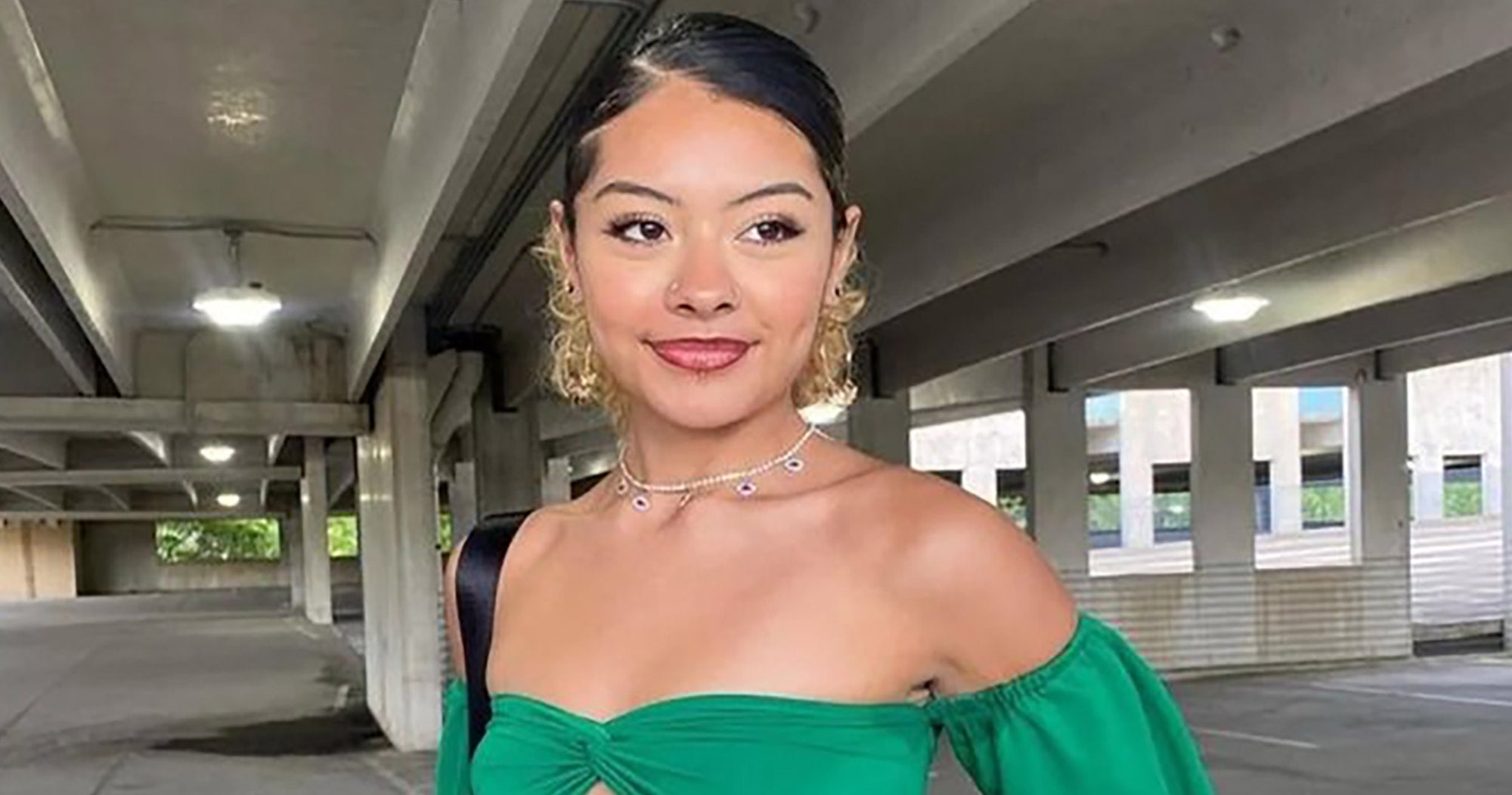
Susana Morales Killed By Police Officer in Norcross Georgia
On July 26, 2022, sixteen year old Susana Morales left a friend’s apartment in Norcross, Georgia, and started the short walk back toward her home. It was late, the kind of humid summer night when familiar streets can feel quieter than usual and routine habits can blur into the background. Susana was a teenager with a full life ahead of her, and nothing about the moment suggested that this would become the last time her family would see her alive.
In the hours that followed, Susana did not arrive home. The normal explanations that families cling to in the first wave of fear, a phone battery dying, a friend offering a ride, a misunderstanding about where she was staying, quickly gave way to the heavier reality that something had gone wrong.
The Disappearance That Became a Homicide
Susana’s case began as a missing teenager report, but it did not remain there. Investigators later treated the case as a homicide, concluding that Susana had been taken and killed. What made the early days especially difficult was the gap between the last known sighting and the clarity that usually comes from physical evidence. For families, that gap is torture. Each day without answers forces them to live inside questions that have no safe endings.
Her loved ones pushed for attention and urgency, because time matters in missing person cases. A community can feel supportive and helpless at the same time, sharing posts, calling in tips, and scanning routes that seem ordinary until they become part of a tragedy.
The Search for Answers
As days turned into weeks, then months, the investigation expanded. Detectives worked to rebuild the last stretch of Susana’s movements, using the kinds of modern tools that often shape contemporary cases, including phone data and location information. They also looked for any sign that a vehicle had intercepted her walk, or that someone had been waiting in the area.
The work was not simply a single search, but a layered process of checking leads, verifying timelines, and separating rumor from fact. In cases involving teenagers, the pressure is intense. Every possibility must be considered, including the chance of foul play by someone unknown and the chance of involvement by someone closer to the victim’s daily world.
The Discovery in February 2023
In early February 2023, investigators located Susana’s remains in a wooded area in the Dacula region near Georgia State Route 316. The discovery confirmed what her family feared most. It also shifted the case from a desperate effort to find a missing girl to the grim responsibility of identifying who caused her death and proving it in court.
The discovery did not end the pain for those who loved her, but it did mark a turning point. With remains recovered, investigators could connect physical evidence, location patterns, and investigative findings in ways that were not possible before.
The Suspect and the Arrest
The case soon centered on Miles Bryant, a former Doraville police officer. Authorities alleged that he was connected to key evidence and that he attempted to mislead investigators through a false report. When a case involves a law enforcement officer, public attention intensifies, partly because of the power that the position carries and partly because communities expect those sworn to protect others to be held to the highest standard.
As the investigation progressed, prosecutors built a narrative that Bryant abducted Susana and was responsible for her death. The arrest signaled that investigators believed they had enough to move from suspicion to formal accusations, and that they were prepared to present a coherent account of what happened after Susana began her walk home.
Building the Case
The state’s case drew on a combination of digital and physical evidence. Modern homicide prosecutions often depend on patterns created by devices people carry every day, including phones that communicate with towers, record location histories, and create timelines through routine background activity. When carefully analyzed, those patterns can either support an alibi or reveal contradictions.
Prosecutors also emphasized physical links, including the significance of a firearm tied to the suspect and its proximity to where Susana was found, along with alleged actions taken after the crime that investigators interpreted as consciousness of guilt. They argued that the pieces fit together into a consistent story, one that explained Susana’s sudden disappearance and the long delay before her remains were recovered.
The defense, as is common in major trials, attacked the strength of the state’s inferences and argued that the prosecution’s theory did not eliminate reasonable doubt. Trials of this kind often become battles over interpretation, not only what data exists, but what it truly proves.
The Trial and the Verdict
The case ultimately went to trial, where prosecutors sought to prove that Bryant kidnapped Susana and murdered her. Jurors heard evidence about Susana’s last known movements, investigative steps taken after she vanished, and the alleged connections between the suspect’s actions and the locations central to the case.
On June 12, 2024, the jury found Miles Bryant guilty of malice murder, felony murder, kidnapping, and making a false report of a crime. He was acquitted of attempted rape. The sentence imposed was life without parole, with an additional twelve months consecutive tied to the false report.
The split verdict matters because it reflects how juries can accept parts of a prosecution narrative while rejecting others. It also demonstrates the burden prosecutors carry on each charge, since each allegation must be proven beyond a reasonable doubt, not as a general impression, but as a specific legal conclusion.
A Family’s Grief and a Community’s Reckoning
For Susana’s family, a conviction does not restore what was taken. It can provide a measure of accountability, but it cannot rewind time to the moment she stepped outside and started walking home. Families often describe the process as learning to live with a permanent absence, marked by memories that turn painful because they no longer lead into the future.
For the community, the case carries a broader reckoning. It is a story about vulnerability, about how quickly normal life can be shattered, and about the importance of thorough investigative work. It also raises uncomfortable questions about trust when the person convicted once held a position of authority.
Cases like Susana’s remain in public memory because they are both specific and universal. Specific in the details of one girl, one night, one route, and universal in the fear every family feels when a loved one does not come home.
Remembering Susana Morales
Susana Morales should be remembered first as a person, not as a headline. She was a teenage girl with relationships, routines, and hopes that mattered to the people around her. The details of the legal outcome are important, but they should never replace the human truth at the center of the case, that a young life ended violently and far too soon.
Her story stands as a warning and a call to care for one another, to take disappearances seriously, to pursue truth patiently and relentlessly, and to keep victims at the center of the conversation, even after courtrooms empty and news cycles move on.
Discover more from City Towner
Subscribe to get the latest posts sent to your email.