
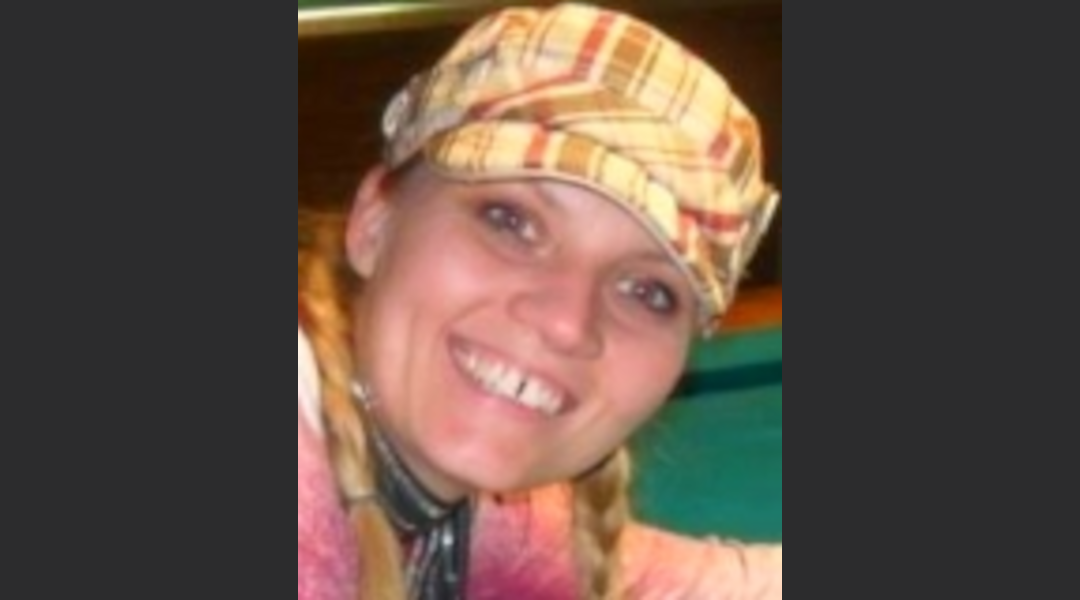
The Disappearance and Murder of Sheila Sherrell Franks in Fortuna California
The disappearance and murder of Sheila Sherrell Franks remains one of the deeply troubling unsolved cases connected to Humboldt County, California. Sheila was 37 years old when she vanished in early 2014, with official records placing her last known date as January 11, 2014, in Fortuna, California. At the time, she was connected to several communities in the region, including Fortuna, Rio Dell, Loleta, and Eureka. Her disappearance would later become even more disturbing when skeletal remains found years later were confirmed to be hers.
For Sheila’s family, the case began with silence. They had not heard from her, and that lack of contact was considered unusual. She was reported missing on March 13, 2014, after weeks passed without answers. At first, her case was one of uncertainty. No one knew whether she had left voluntarily, whether she was in danger, or whether something had happened to her. Years later, the discovery of her remains made the truth far more painful. Sheila had not simply disappeared. She was dead, and the circumstances surrounding her death were suspicious.
Sheila’s case is often discussed alongside the case of Danielle Nicole Bertolini, another woman who disappeared in Humboldt County around the same period. Danielle’s remains were found in 2015 near the Eel River, and Sheila’s remains were later found near the Loleta area in 2019. Both cases have been linked in public discussion because of timing, geography, and reports that both women had connections to the same man shortly before they vanished. Even so, Sheila deserves to be remembered as her own person, not only as part of a larger mystery.
Who Was Sheila Sherrell Franks?
Sheila Sherrell Franks was a 37-year-old woman whose life was rooted in Humboldt County. She was described as a White woman with blonde hair and blue eyes. She stood about 5 feet, 6 inches tall and weighed around 130 pounds. Those details became important after she disappeared, but they only describe the outside of a woman whose life meant much more to the people who loved her.
Sheila had family members who cared about her and became alarmed when she stopped communicating. That concern is important because loved ones often recognize when silence is not normal. In many missing person cases, especially cases involving adults, early uncertainty can slow public urgency. Adults have the legal right to move, leave, or avoid contact, but families know when a disappearance does not fit a person’s habits or relationships.
At the time of her disappearance, Sheila was connected to a part of Northern California known for its beauty, isolation, and difficult terrain. Humboldt County includes small towns, forested land, river areas, rural roads, and communities where people may know each other but where someone can still vanish without immediate answers. For vulnerable people, that kind of environment can create risk. Remote spaces can hide evidence, delay searches, and make it harder to reconstruct a person’s final movements.
Sheila was not just a missing woman in a case file. She was a real person whose life was interrupted. Her disappearance left behind questions that would haunt her family for years.
The Day Sheila Was Last Seen
Official records list Sheila Sherrell Franks as last seen on January 11, 2014, in Fortuna, California. Fortuna is a small city in Humboldt County, located near other communities tied to Sheila’s life and case. The area is close to stretches of rural land, river access, and roads leading toward Loleta, Rio Dell, and Eureka. Those places would all become part of the broader story surrounding Sheila’s disappearance.
There has been some disagreement in public case summaries about the exact date and location where Sheila was last seen. Some accounts place her last known sighting in February 2014, while the official date attached to her missing person record is January 11, 2014. In cold cases, these kinds of discrepancies can happen when different sources rely on different witness statements, official report dates, or later investigative timelines.
What remains clear is that Sheila disappeared in early 2014 and was not heard from in a way that reassured her family she was safe. Weeks passed. Her family’s concern grew. By March 13, 2014, she was reported missing. That report marked the beginning of a long and painful search.
The gap between the last known date and the missing person report is one of the difficult realities of cases involving adults. If someone has a lifestyle that includes moving between places, limited contact, or unstable circumstances, loved ones and authorities may not immediately know when concern should become alarm. But in Sheila’s case, her family knew something was wrong.
A Region Marked by Unanswered Questions
Humboldt County is known for its redwood forests, rivers, coastal beauty, and rural communities. But the same geography that makes the region striking can also make missing person cases extremely difficult. Dense wooded areas, riverbanks, secluded roads, and remote properties can complicate searches. A person can disappear from one community and be moved or found miles away in a location that is hard to search.
Sheila’s case unfolded in this kind of environment. She had ties to Fortuna, Rio Dell, Loleta, and Eureka. These communities are connected by roads and geography, but each has its own local character. Someone traveling through the area could move quickly between towns, especially with access to a vehicle. If foul play occurred, the rural landscape could make it easier for evidence to remain hidden for years.
This setting became especially important because Sheila’s remains were later discovered at Crab Park in Loleta. That location placed her case in the same broader Humboldt County landscape where other unresolved cases involving women had drawn public concern. The discovery did not answer every question, but it confirmed that Sheila’s disappearance had ended in death.
The Discovery at Crab Park
On June 10, 2019, skeletal remains were found at Crab Park in Loleta, California. DNA analysis later confirmed that the remains belonged to Sheila Sherrell Franks. The discovery came more than five years after she disappeared, bringing heartbreaking confirmation to her family and changing the public understanding of the case.
The discovery of remains in a cold case can be both a breakthrough and a new source of pain. For years, families may hold on to the hope that their loved one is still alive somewhere. When remains are identified, that hope ends. At the same time, the identification can begin a new phase of the search for justice. It confirms death, but it does not always explain how the person died, who was responsible, or why it happened.
In Sheila’s case, the discovery raised serious questions. Her death was considered suspicious, and the case remained unsolved. The remains did not immediately produce a public explanation for what happened to her after she disappeared. They did not provide a clear timeline of her final moments. They did not bring an arrest. Instead, they confirmed the worst fear while leaving the central mystery unresolved.
The location of the remains also mattered. Crab Park is in Loleta, an area connected to the mouth of the Eel River and the broader rural landscape of Humboldt County. The river and surrounding terrain have been part of discussions around other cases, including Danielle Bertolini’s. For investigators and advocates, these geographic connections have kept attention on whether Sheila’s death may be linked to a broader pattern of violence.
The Connection to Danielle Nicole Bertolini
Sheila Franks’ case is frequently discussed alongside the murder of Danielle Nicole Bertolini. Danielle disappeared around the same time in 2014, and her skull was found near the Eel River in 2015. Both women had ties to Humboldt County, both were missing in the same general period, and both cases involved public discussion of a man named James Eugene Jones, who has been described in case coverage as a person of interest.
This connection has made Sheila’s case part of a larger conversation about missing and murdered women in Humboldt County. Public accounts have stated that Sheila and Danielle knew some of the same people and may have been last seen by the same man. Those details have led many people to believe the cases could be connected, although public suspicion and investigative interest are not the same as a conviction.
The connection to Danielle is important, but it should not overshadow Sheila’s own story. Sheila was not simply a supporting detail in another woman’s case. Her life mattered. Her disappearance devastated her loved ones. Her remains were found years later, and her death remains suspicious. She deserves the same attention and care as any victim whose case has not been solved.
Still, the overlap between the two cases raises important questions. Did the same person know what happened to both women? Were they harmed by the same person? Did someone in their shared circle stay silent? Could answers in one case help solve the other? These questions remain part of why Sheila’s case continues to matter.
Why Sheila’s Death Is Considered Suspicious
Sheila’s death is considered suspicious because she vanished without normal contact and was later found deceased in circumstances that did not provide a natural or clearly accidental explanation. When a person disappears and their skeletal remains are found years later in a remote or outdoor location, investigators must consider foul play, especially if the person had no known reason to disappear permanently.
The passage of time makes determining the exact cause of death difficult. Skeletal remains may not preserve all injuries, and environmental exposure can destroy evidence. Animals, weather, water, and vegetation can alter a scene. If only partial remains are found, the challenge becomes even greater. Investigators may be able to identify the person through DNA but still struggle to determine exactly how they died.
That uncertainty does not make the death less serious. In fact, it can make the case more painful. Sheila’s family knows she disappeared. They know her remains were found. But they may not know exactly what was done to her, when she died, or who was responsible. Those unanswered questions are at the center of the case.
Suspicious death cases require persistence because the evidence may not be obvious. Investigators must rely on timelines, witness statements, known associates, travel patterns, and any physical evidence that remains. In a cold case, even one person coming forward years later can make a difference.
The Pain of Being Missing for Years
For more than five years, Sheila was missing. During that time, her family had to live with uncertainty. Not knowing whether a loved one is alive or dead creates a kind of grief that does not follow ordinary patterns. Families cannot fully mourn, but they also cannot feel peace. They are trapped between hope and fear.
Every day without answers brings new questions. Was Sheila alive somewhere? Was she hurt? Did someone take her? Did she suffer? Was there a witness who never came forward? Had evidence been overlooked? Was someone close to her hiding the truth? These questions can replay endlessly for families of missing people.
When Sheila’s remains were identified, the uncertainty changed form. Her family no longer had to wonder if she might walk through the door, but they still had to wonder what happened to her. That is not full closure. It is partial truth wrapped in new grief. They found out she was gone, but they did not receive justice.
This is why unsolved cases remain so painful. The recovery of remains can answer the question of where a person is, but not the question of why they were taken from the world.
The Search for Justice
The search for justice in Sheila Sherrell Franks’ case has continued because her death remains unsolved. Justice means more than identifying remains. It means learning what happened, holding the responsible person accountable, and giving the family a truthful account of the final chapter of Sheila’s life.
Cold cases depend on persistence from investigators, families, advocates, and the public. Someone may know something about Sheila’s final days. Someone may remember who she was with, where she was staying, or what was happening around her in early 2014. Someone may have heard a statement years ago that seemed suspicious but never reported it. In cases like this, old information can become important when viewed with new evidence.
The passage of time can make cases harder, but it can also change people. A person who stayed silent out of fear may later feel ready to talk. Relationships may end. Loyalties may fade. Guilt may grow heavier. A witness may realize that a small detail they remember could help solve a murder.
Sheila’s case remains open because the truth has not been fully told. Until it is, the call for justice continues.
Remembering Sheila Sherrell Franks
Sheila Sherrell Franks should be remembered as a woman whose life mattered, not only as a victim in a cold case. She was 37 years old when she disappeared in 2014. She had family who cared enough to report her missing and continue seeking answers. She lived in a region where too many women’s stories have ended in mystery, suspicion, and grief.
It is important to speak about Sheila with dignity. Cases involving women who may have faced instability, hardship, or difficult circumstances are sometimes treated unfairly. The public can be quick to judge victims instead of focusing on the harm done to them. Sheila’s life had value regardless of what challenges she faced. Her disappearance deserved urgency. Her death deserves justice.
Remembering Sheila also means refusing to let time erase her case. More than a decade has passed since she vanished, but the unanswered questions remain. Her name should continue to be known. Her story should continue to be told. Her family should not have to carry the burden alone.
A Case Still Waiting for Answers
The disappearance and murder of Sheila Sherrell Franks began with her last known date of January 11, 2014, in Fortuna, California. She was reported missing on March 13, 2014, after her family lost contact with her. For years, there were no complete answers. Then, on June 10, 2019, skeletal remains found at Crab Park in Loleta were confirmed through DNA as Sheila’s.
That discovery proved that Sheila was gone, but it did not solve the case. Her death remains suspicious. No final public account has explained exactly what happened to her, who was responsible, or how her remains came to be found where they were discovered.
Sheila’s story is part of a larger history of missing and murdered women in Humboldt County, but it is also deeply personal. She was one woman with one life, one family, and one unresolved case that still deserves attention.
Until the truth is known, Sheila Sherrell Franks’ case remains unfinished. Someone may still hold the missing piece. Someone may still know what happened after she was last seen. Her family deserves answers, and Sheila deserves justice.
Discover more from City Towner
Subscribe to get the latest posts sent to your email.