The Rich and Tumultuous History of Brownsville, TX
Brownsville, Texas, stands as a living testament to the complex tapestry of American, Mexican, and indigenous histories that have shaped the Rio Grande Valley. As the largest city in Cameron County, Brownsville’s story is one of frontier ambitions, international conflict, and resilient growth. Its unique border position has made it a crossroads of cultures, commerce, and pivotal moments in North American history.
Early Encounters and Spanish Settlement
The area now known as Brownsville was first visited by Europeans in 1519, when Spanish explorer Francisco de Pineda arrived along the Gulf Coast. Over the next centuries, Spanish expeditions, including those led by Alonzo de León in 1689 and José de Escandón in 1746, brought settlers and established ranching communities along the Rio Grande. These early settlements laid the groundwork for the region’s enduring agricultural traditions and its role as a corridor between North America and Mexico.
From Los Tejidos to the Birth of Brownsville
By the late 1700s, the Spanish crown granted vast tracts of land in the region, including a 408-square-mile grant to José Salvador de la Garza in 1781. Locals referred to the area as los tejidos—the pasturelands—reflecting its rural character. The early 19th century saw a growing presence of settlers, especially as tensions simmered between Mexico and the breakaway Republic of Texas.
The Texas Revolution of 1836 and the subsequent annexation of Texas by the United States in 1845 brought the region into the spotlight of international dispute. The Rio Grande’s status as the border between Texas and Mexico remained contested, setting the stage for the Mexican-American War.
War, Fort Brown, and the Founding of a City
In 1846, U.S. President James K. Polk ordered General Zachary Taylor to move American troops to the Rio Grande, where they constructed Fort Texas. The outbreak of the Mexican-American War was marked by the nearby battles of Palo Alto and Resaca de la Palma. During the siege of Fort Texas, Major Jacob Brown was killed, and the fort was renamed Fort Brown in his honor.
After the war and the signing of the Treaty of Guadalupe Hidalgo in 1848, the area was firmly under American control. That same year, Charles Stillman, a merchant from Matamoros, purchased land around Fort Brown, laying the foundations for the city of Brownsville. The city was named in honor of Major Brown, and 1848 is widely recognized as its founding year.
Legal Battles and Incorporation
The early years of Brownsville were marked by complex legal disputes over land ownership, particularly between Stillman and heirs of the original Mexican land grantees. These disputes delayed the city’s full incorporation, which was first attempted in 1850 but not finalized until 1853. The U.S. Supreme Court ultimately settled the matter in favor of Stillman’s group in 1879, cementing the city’s legal status.
Brownsville as a Trade and Cultural Hub
Thanks to its position on the Rio Grande, Brownsville quickly became a vital trade center for southern Texas. Steamboat traffic flourished, connecting the city with the Gulf of Mexico and facilitating commerce with both American and Mexican markets. By the mid-19th century, Brownsville was the seat of Cameron County and a magnet for entrepreneurs, immigrants, and adventurers drawn by the promise of the borderlands.
The Civil War and the Cotton Road
During the American Civil War, Brownsville’s strategic location made it a key smuggling point for Confederate goods, particularly cotton, which was shipped through Mexican ports like Bagdad to evade Union blockades. The city was at the terminus of the so-called “Cotton Road,” linking the Confederate interior to the global market via Mexico. Union forces captured Brownsville in 1863, but Confederate control was later restored until the end of the war.
Post-War Growth and Modernization
Following the Civil War, Brownsville continued to prosper as a trading post and agricultural center. Despite periodic outbreaks of cholera and yellow fever, the city’s population and infrastructure grew steadily. The late 19th and early 20th centuries saw the development of new civic institutions, public utilities, and transportation links, including the completion of the Brownsville-Matamoros bridge in 1910, which further strengthened cross-border ties.
Key Developments in Brownsville’s Modern Era
- Public Utilities: In 1907, Brownsville residents voted to establish their own electric and water plants, enhancing quality of life and supporting further urban development.
- International Bridges: The construction of bridges over the Rio Grande facilitated commerce and cultural exchange with Matamoros, Mexico.
- Port of Brownsville: The establishment of a deep-water port expanded Brownsville’s role as a hub for maritime trade, connecting it to global shipping routes.
Brownsville’s Role in Borderlands History
Brownsville’s proximity to Mexico has always defined its character. The city has been a focal point for migration, trade, and cultural blending. Its population reflects a rich mix of Mexican, American, and indigenous influences, visible in its architecture, cuisine, and community traditions.
Throughout the 20th century, Brownsville has faced challenges common to border cities, including economic fluctuations, immigration debates, and public health crises. Yet, its resilience and adaptability have allowed it to remain a vibrant center of life on the U.S.-Mexico border.
Brownsville Today: Legacy and Future
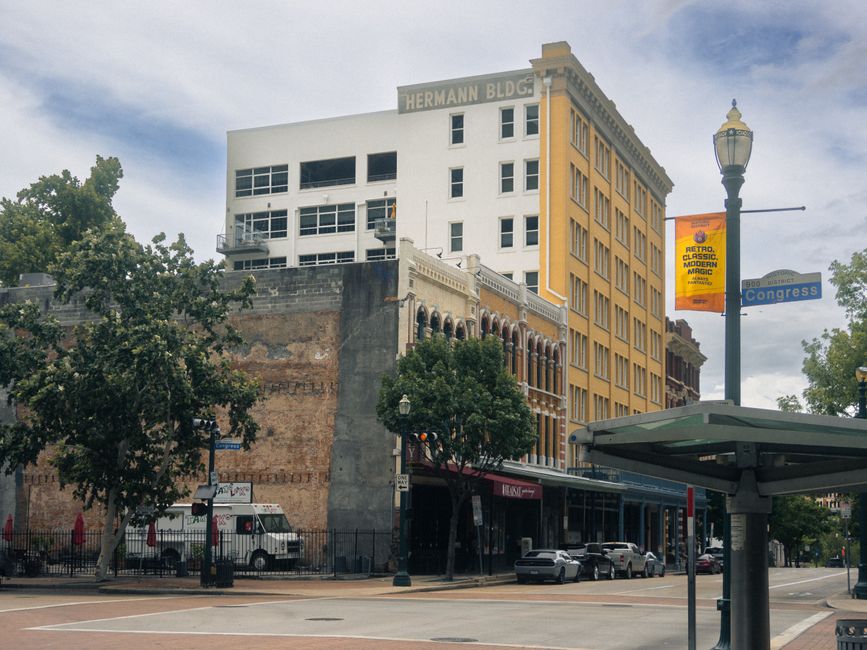
Today, Brownsville is recognized as the 18th most populous city in Texas. Its economy is anchored by international trade, manufacturing, and a growing aerospace sector, thanks in part to its proximity to SpaceX’s launch site at Boca Chica. The city’s historic downtown, with buildings dating back to the mid-19th century, offers a tangible link to its storied past.
The city’s commitment to preserving its heritage is evident in local museums, historic districts, and annual events celebrating its multicultural legacy. Brownsville’s story continues to evolve, shaped by its borderland geography and the enduring spirit of its people.
Notable Landmarks and Historic Sites
- Fort Brown: The original military post around which the city was founded.
- Historic Downtown: Features some of the oldest structures in Texas, reflecting Spanish, Mexican, and American influences.
- Brownsville-Matamoros International Bridge: A symbol of cross-border cooperation and community.
- Stillman House Museum: Preserves the legacy of Charles Stillman and the city’s early years.
Conclusion: Exploring Brownsville’s Past and Present
The history of Brownsville, TX, is a compelling narrative of conflict, cooperation, and cultural fusion. From its origins as a Spanish ranching outpost to its emergence as a modern border city, Brownsville has played a pivotal role in shaping the Rio Grande Valley and the broader story of Texas. For those interested in American and Mexican history, a visit to Brownsville’s historic sites offers a window into the challenges and triumphs that have defined the region. To further explore Brownsville’s rich past, consider visiting the Brownsville Historical Association or planning a walking tour of the city’s historic downtown.
Photo by Eddie O. on Pexels
Discover more from City Towner
Subscribe to get the latest posts sent to your email.