
The Unsolved Disappearance of Barbara Aleksivich: Bath, NY’s Enduring Mystery
On the night of October 3, 1973, Barbara Jean Aleksivich walked out of the Bath Elks Club in Bath, New York, and vanished into the darkness. Nearly fifty years later, her disappearance remains one of the region’s most haunting unsolved mysteries. Despite renewed investigative efforts and tantalizing connections to other crimes, Barbara’s fate is still unknown. This article examines the timeline, key suspects, investigative developments, and the enduring impact of the case on the Bath community.
The Night Barbara Aleksivich Disappeared
Barbara Jean Aleksivich, born Barbara Jones, was a 24-year-old woman living with her husband in Bath, NY. On the evening of October 3rd, she attended a social gathering at the Bath Elks Club, located near the intersection of Gansevoort and William Streets. Around 10:45 p.m., Barbara decided to leave early and make the short walk home—just two blocks away, on the 100 block of East William Street. Her husband remained at the club, expecting to find her at home when he returned. But when he arrived, Barbara was nowhere to be found.
Barbara was described as a white female with brown shoulder-length hair and hazel eyes, standing about 5’6″ and weighing approximately 140 pounds. On the night she disappeared, she wore a white blouse, a blue and white plaid skirt, a green pullover sweater, brown loafer shoes, and eyeglasses. Her maiden name was Jones, and she sometimes used the surname Flanigan.
The initial search for Barbara was extensive, involving local law enforcement and community volunteers. Despite these efforts, no trace of her was ever found. There were no sightings, no physical evidence, and no clear indication of what happened during her short walk home.
Early Investigations and Theories
In the weeks and months following Barbara’s disappearance, police canvassed the neighborhood, interviewed residents, and followed up on every lead. With no witnesses and no evidence, theories ranged from voluntary disappearance to foul play. However, those who knew Barbara insisted she would not have left her life behind willingly.
For years, the case remained cold. Rumors swirled, but no solid suspects emerged. The lack of physical evidence and the quiet, residential nature of the area where she disappeared made the investigation especially challenging.
Suspects and Persons of Interest
Frederick C. Bush
At one point, Frederick C. Bush, a local man with a violent history, became a person of interest. Bush was later convicted of murdering a woman and burning her body, a crime that occurred after Barbara’s disappearance. He served his sentence and eventually returned to Bath. However, after further investigation, police publicly stated they no longer believed Bush was involved in Barbara’s case.
Richard W. Davis
Decades after Barbara vanished, a new and chilling suspect emerged: Richard W. Davis. Davis was a Bath resident at the time of Barbara’s disappearance and lived on Main Route Road between 1973 and 1976, possibly as early as 1968 and as late as 1981. He worked at the local Polly-O Dairy and was known to law enforcement for multiple arrests related to luring children.
In 1974, Davis was linked by DNA to the kidnapping, sexual assault, and murder of five-year-old Siobhan McGuinness in Montana. Davis did not live in Montana; he was merely passing through when he committed the crime. This revelation came only in recent years, thanks to advances in forensic genetic genealogy and the diligent work of investigators from both New York and Montana.
While Davis was never charged in the McGuinness case during his lifetime (he died in 2012), the DNA match and his history in Bath made him a compelling suspect in Barbara Aleksivich’s disappearance. However, as of now, there is no direct evidence linking Davis to Barbara’s case—only his presence in the area and his known criminal behavior.
Breakthroughs Through Modern Forensics
The re-opening of Barbara’s case was prompted by a notification to the Bath Police Department from the Missoula County cold case unit. The DNA match to Davis in the Montana murder led investigators to re-examine his time in Bath and his possible involvement in other unsolved crimes. The FBI’s Forensic Genetic Genealogy Team played a pivotal role in connecting the dots between Davis and the Montana homicide, and their efforts have inspired renewed interest in cold cases across the country.
The Violent Crime Apprehension Program (ViCAP) has since issued bulletins about Davis, seeking information from other law enforcement agencies that might link him to additional unsolved cases. The hope is that someone, somewhere, may recall details that could finally solve the mystery of what happened to Barbara Aleksivich.
The Community Impact and Ongoing Search
The disappearance of Barbara Aleksivich has left a lasting mark on Bath, NY. For decades, her family and friends have lived with unanswered questions and the pain of not knowing her fate. The case is frequently discussed in local circles, and every new development brings hope that closure might finally be within reach.
Law enforcement continues to encourage anyone with information to come forward. Even the smallest detail—a memory from that night, an observation about Richard Davis, or a forgotten clue—could be the key to solving this nearly half-century-old mystery.
Timeline of Key Events
- October 3, 1973: Barbara Aleksivich leaves the Bath Elks Club at 10:45 p.m. and disappears en route to her home two blocks away.
- 1974: Siobhan McGuinness is kidnapped and murdered in Montana; decades later, DNA evidence links Richard W. Davis to this crime.
- 2012: Richard W. Davis dies, never having been charged in the McGuinness case or connected officially to Barbara’s disappearance during his lifetime.
- 2020s: Advances in forensic genealogy prompt a re-examination of cold cases, including Barbara’s. Davis is named as a suspect due to his criminal history and presence in Bath at the time.
Challenges in Solving the Case
Barbara Aleksivich’s case highlights the difficulties inherent in missing person investigations, especially those that predate modern forensic techniques. In 1973, DNA analysis was nonexistent, surveillance cameras were rare, and communication between jurisdictions was limited. Witnesses grow older, memories fade, and potential evidence may be lost to time.
Despite these obstacles, renewed attention and technological advances have breathed new life into cold cases. The work of agencies like the FBI’s Forensic Genetic Genealogy Team demonstrates that even decades-old mysteries can be revisited with fresh eyes and innovative tools.
What Happens Next?
As of now, Barbara Jean Aleksivich remains missing, and her case is officially unsolved. Investigators continue to seek information, particularly about Richard W. Davis’s activities in Bath during the early 1970s. The Bath Police Department, the FBI, and other agencies remain committed to finding answers for Barbara’s family and the community.
If you have any information, no matter how insignificant it may seem, authorities urge you to contact the Bath Police Department or submit a tip to the FBI’s ViCAP program. Solving this case could not only bring closure to Barbara’s loved ones but also help prevent similar tragedies in the future.
Conclusion
The story of Barbara Aleksivich is a sobering reminder of how a single night can change lives forever. Her disappearance in Bath, NY, on October 3, 1973, remains an open wound for her family and community. While the emergence of new suspects and forensic technology offers hope, the search for answers continues. If you know something, now is the time to come forward—justice for Barbara may finally be within reach.
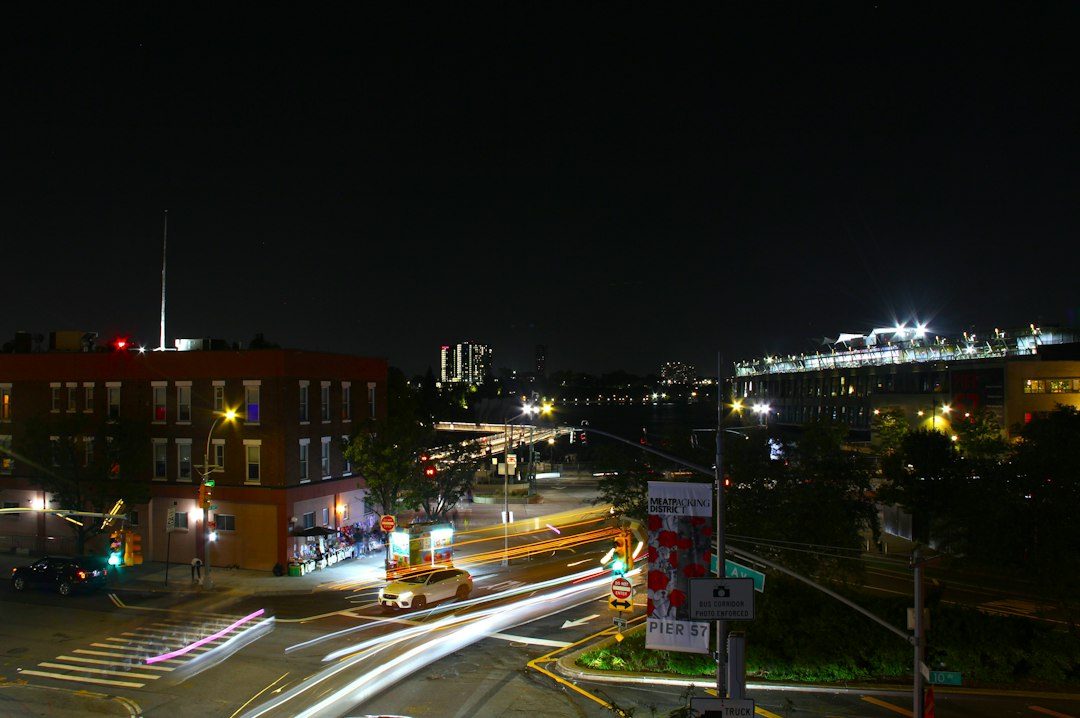
Photo by Erica Li on Unsplash
Discover more from City Towner
Subscribe to get the latest posts sent to your email.