
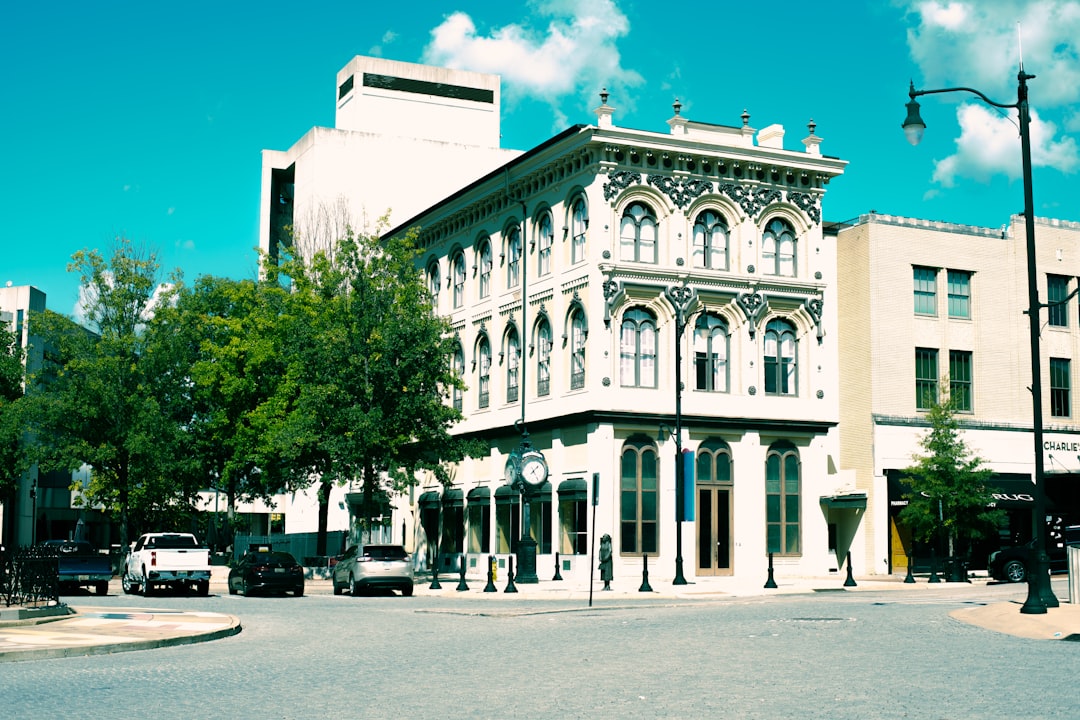
History of Montgomery, Alabama: From River Town to Civil Rights Landmark
Montgomery, Alabama, stands as a city deeply woven into the fabric of American history. From its roots as a frontier settlement to its prominent roles in both the Civil War and Civil Rights Movement, Montgomery’s past is a tapestry of cultural, economic, and political transformation. Understanding the history of Montgomery AL offers a unique window into the broader story of the United States, where power, protest, and resilience have repeatedly shaped the nation’s destiny.
Early Settlement and Founding
The area that would become Montgomery has long been a crossroads. Before European colonization, the land was home to the Creek Nation, who utilized the Alabama River and a network of trails for trade and travel. The Treaty of Fort Jackson in 1814, which followed the Creek War, forced the Creeks to cede millions of acres, opening the region to American settlers and speculators.
Montgomery was officially incorporated in 1819 through the merger of two settlements: East Alabama Town and New Philadelphia. Its strategic position on the Alabama River made it an ideal hub for commerce, especially as the cotton industry boomed across the South. By the 1820s, steamboats like the Harriet connected Montgomery to Mobile and the Gulf Coast, accelerating its growth and prosperity.
The Cotton Economy and Antebellum Prosperity
Montgomery’s early prosperity was built on cotton. The fertile Black Belt region surrounding the city became dotted with plantations, and enslaved labor fueled the production and shipment of cotton downriver. By the 1830s, Montgomery’s per capita income was remarkably high for the era, reflecting the wealth generated by the cotton trade. The city’s economic success attracted more settlers, merchants, and infrastructure investment, including the construction of the Montgomery Railroad in 1832, which later connected the city to West Point, Georgia.
As the cotton economy thrived, so too did the city’s influence. In 1846, recognizing Montgomery’s central location and growing significance, the Alabama state legislature moved the capital from Tuscaloosa to Montgomery. The new capitol building, completed soon after, would become the stage for some of the most consequential events in Southern history.
Montgomery and the Civil War
Montgomery’s prominence reached a new height in 1861. Following Alabama’s secession from the Union, delegates from six Southern states gathered in Montgomery to form the Confederate States of America. The city served as the Confederacy’s first capital, and Jefferson Davis was inaugurated as its president on the steps of the Alabama State Capitol. For a brief but significant period, Montgomery was the political heart of the secessionist movement before the capital moved to Richmond, Virginia, later that year.
The Civil War brought hardship and upheaval. As the conflict drew to a close in 1865, Union forces under General James H. Wilson entered Montgomery. In a desperate attempt to deny resources to the advancing army, local authorities ordered the burning of tens of thousands of bales of cotton and corn. The city, while spared widespread destruction, suffered economic devastation, and the end of slavery upended its social and economic order.
Reconstruction and Segregation
After the war, Montgomery entered a period of Reconstruction. Freed African Americans established businesses, churches, and schools, hoping to build new lives in freedom. However, the promise of Reconstruction was short-lived. By the late 19th century, white-dominated governments reasserted control, enacting Jim Crow laws that enforced racial segregation and disenfranchised Black citizens.
The city’s economy gradually diversified beyond cotton. The arrival of new industries and the expansion of railroads brought jobs and growth, but the social landscape remained deeply divided along racial lines. African American communities in Montgomery continued to nurture leaders, educators, and activists who would later play crucial roles in the struggle for civil rights.
Montgomery in the 20th Century: World Wars and Urban Growth
The 20th century brought further change. World War I and World War II transformed Montgomery’s economy and demographics, particularly with the establishment of Maxwell Air Force Base and Air University. These military installations attracted thousands of new residents and contributed to the city’s modernization.
Montgomery also became a center for education and culture. Institutions such as Alabama State University, founded as a school for African Americans, and the Montgomery Museum of Fine Arts, enriched the city’s intellectual and artistic life. Yet, beneath the surface, tensions simmered as African Americans continued to face discrimination and inequality.
The Civil Rights Movement and Montgomery’s Pivotal Role
Montgomery’s place in history was forever cemented in the mid-20th century during the Civil Rights Movement. In December 1955, Rosa Parks, an African American seamstress, was arrested for refusing to give up her seat to a white passenger on a city bus. Her act of defiance sparked the Montgomery Bus Boycott, a 381-day mass protest led by Dr. Martin Luther King Jr. and other local activists. The boycott ended with a Supreme Court ruling that declared segregation on public buses unconstitutional, marking a turning point in the struggle for civil rights nationwide.
Montgomery was also the endpoint of the 1965 Selma to Montgomery marches, which brought national attention to the fight for voting rights. The marches, met with violence and resistance, ultimately contributed to the passage of the Voting Rights Act of 1965. These events showcased the courage and determination of local citizens and leaders and solidified Montgomery’s reputation as the “Cradle of the Civil Rights Movement.”
Modern Montgomery: Resilience and Renewal
Today, Montgomery is a vibrant city that honors its past while embracing the future. Its population, as of the 2020 census, stands at nearly 229,000, making it the seventh-most populous county in Alabama. The city’s economy is diverse, with government, education, healthcare, and military sectors playing leading roles. Montgomery’s historic sites, such as the Dexter Avenue King Memorial Baptist Church and the National Memorial for Peace and Justice, attract visitors from around the world seeking to learn about the city’s profound impact on American history.
Efforts to revitalize downtown and preserve historic neighborhoods have helped Montgomery balance growth with heritage. The city continues to be a center for political, cultural, and social change, reflecting the enduring spirit of its people.
Key Historical Landmarks in Montgomery
- Alabama State Capitol: Site of Jefferson Davis’s inauguration and the endpoint of the Selma to Montgomery march.
- Dexter Avenue King Memorial Baptist Church: Pastored by Dr. Martin Luther King Jr. during the bus boycott.
- Rosa Parks Museum: Dedicated to the life and legacy of Rosa Parks and the Montgomery Bus Boycott.
- Court Square: Historic downtown site where enslaved people were once sold and civil rights protests occurred.
- National Memorial for Peace and Justice: Commemorates victims of racial terror lynchings and the ongoing struggle for justice.
Conclusion: Montgomery’s Legacy and Next Steps
The history of Montgomery AL is a story of transformation—of a city shaped by the forces of commerce, conflict, and conscience. From its beginnings as a cotton port to its role as a crucible of the Civil Rights Movement, Montgomery’s journey mirrors the broader American experience. For those interested in exploring more about Alabama’s rich history, consider visiting Montgomery’s many museums and landmarks, or learn fun facts about other Alabama cities like Huntsville. Montgomery’s legacy endures, offering lessons in resilience, justice, and hope for generations to come.
Photo by Jeremiah Lawrence on Unsplash
Discover more from City Towner
Subscribe to get the latest posts sent to your email.