The Rich and Complex History of Glendale, CA
Glendale, California, is a city with a story that weaves together centuries of cultural transformation, economic ambition, and community resilience. Nestled at the meeting point of the Verdugo Mountains and the San Fernando Valley, about 10 miles north of Downtown Los Angeles, Glendale stands today as the fourth-most populous city in Los Angeles County. Its journey from indigenous homeland to a center of the American animation industry reflects the broader history of Southern California—marked by waves of migration, dramatic economic shifts, and a growing mosaic of cultures.
Ancient Beginnings: The Tongva Homeland
Long before European explorers set foot in California, the region that would become Glendale was home to the Tongva people. The Tongva, also known as the Gabrielino, established villages across a vast territory stretching from the San Gabriel Mountains to the Channel Islands. In the Glendale area, their settlements included Ashwaangna, Hahamongna, Maungna, Tujunga, and Wiqanga. These villages thrived for thousands of years, drawing sustenance from the Los Angeles River and the surrounding hills, practicing sophisticated land management and trade with neighboring communities.
The arrival of Spanish explorers in the late 1700s disrupted this way of life. The 1769 Portolá expedition marked the beginning of Spanish colonization, and by 1771, the establishment of Mission San Gabriel Arcángel led to the forced relocation and labor of many Tongva. Disease, displacement, and missionization devastated the indigenous population, leaving only traces of their presence in local place names and archaeological sites.
Spanish and Mexican Eras: The Rancho San Rafael
Spanish rule brought a new era to the region, defined by vast land grants known as ranchos. In 1784, Spanish Army corporal José María Verdugo received permission to graze his livestock on a large swath of land, and in 1798, he was officially granted the Rancho San Rafael by Governor Diego de Borica. This rancho encompassed what is now Glendale, Burbank, Eagle Rock, and Highland Park. For decades, the Verdugo family managed the land, raising cattle and supporting a small Californio community.
After Mexico gained independence from Spain in 1821, the rancho system continued under Mexican rule. When José María Verdugo died in 1831, his children, Julio and Catalina, inherited the property. Over time, legal disputes, debts, and changing laws led to the subdivision of Rancho San Rafael. The “Great Partition” of 1871 dissolved the original rancho, opening the land to a new wave of American settlers and speculators.
Birth of a Town: Founding and Early Growth
By the late 19th century, the land that would become Glendale was a patchwork of ranches and small farms. In 1884, six local landowners—Cameron Erskine Thom, Prudent Beaudry, Erskine M. Ross, Harry J. Crow, Ellis T. Byram, and Benjamin F. Patterson—pooled their parcels to create a 150-acre townsite. The name “Glendale” was chosen, and the town was officially recorded in 1887. The original boundaries ran from Lexington Drive to Harvard Street, and from Central Avenue to the Childs Tract.
South of Glendale, the community of Tropico developed as a separate town, centered around Central Avenue and San Fernando Road. Tropico remained independent until it was annexed by Glendale in 1918. The early years were marked by agricultural development, with citrus groves, vineyards, and small dairies dotting the landscape.
Transportation and Urbanization
The arrival of the Pacific Electric Railway in 1904 was a turning point for Glendale. The “Red Car” line connected the town to Los Angeles and neighboring communities, making it possible for residents to commute and for goods to move efficiently. This transportation link spurred rapid population growth and urbanization.
Glendale was incorporated as a city in 1906. Infrastructure improvements followed, including schools, libraries, and paved roads. Glendale Union High School, founded in 1901, served students from across the region—including those from Burbank, Eagle Rock, and what is now Silver Lake (then called Ivanhoe). The growing city began to attract new residents seeking suburban comfort with easy access to Los Angeles.
Glendale’s Role in the Film and Animation Industry
As the 20th century progressed, Glendale became increasingly intertwined with the burgeoning film industry of Southern California. Its proximity to Hollywood and Burbank made it an ideal location for studios and creative professionals. Over time, Glendale became a hub for animation, with major studios such as Disneytoon Studios, Marvel Animation, and DreamWorks Animation establishing headquarters in the city. This legacy endures today, with Glendale recognized as a key player in the global entertainment industry.
Community, Diversity, and Modern Challenges
Glendale’s identity has been shaped by waves of immigration. Since the early 20th century, the city has welcomed Armenian families, who have become an integral part of the community. By the late 1970s, a surge of Armenian immigration further transformed the city’s demographics, making Glendale home to one of the largest Armenian populations outside of Armenia. Today, more than half of Glendale’s residents are foreign-born, reflecting a tapestry of cultures and traditions.
Modern Glendale is also known for its vibrant commercial districts, such as the Americana at Brand and the historic Alex Theatre. The city has made efforts to preserve its architectural heritage, with neighborhoods featuring Craftsman bungalows, Spanish Revival homes, and mid-century modern landmarks. At the same time, Glendale faces challenges common to many urban centers, including managing growth, ensuring affordable housing, and fostering community cohesion.
Notable Landmarks and Institutions
- El Miradero: Built by developer Leslie Brand in 1904, this estate is now the Brand Library and Art Center, a cultural hub for the city.
- Alex Theatre: Opened in 1925, the Alex Theatre is an iconic venue for performing arts and film screenings.
- Forest Lawn Memorial Park: Established in 1906, this cemetery is the final resting place for many celebrities and a popular destination for visitors.
- Glendale Galleria: One of Southern California’s major shopping centers, opened in 1976.
Timeline of Key Events in Glendale’s History
- Pre-1769: Tongva villages flourish in the area.
- 1798: Rancho San Rafael granted to José María Verdugo.
- 1871: “Great Partition” of Rancho San Rafael.
- 1884: Glendale townsite established.
- 1887: Town of Glendale officially recorded.
- 1904: Pacific Electric Railway arrives.
- 1906: Glendale incorporates as a city.
- 1918: Tropico annexed by Glendale.
- 1970s-present: Growth of the Armenian community and continued urban development.
Glendale Today: A Vibrant, Evolving City
As of 2025, Glendale’s population is estimated at 187,823, making it one of California’s largest cities. Its economy is driven by retail, entertainment, healthcare, and professional services. With its scenic foothills, diverse neighborhoods, and cultural institutions, Glendale continues to attract new residents and visitors alike.
For those interested in exploring more about Glendale and its place in the broader context of American cities, you might also enjoy learning about the history of Glendale, Arizona or discovering fun facts about Glendale, AZ. Each “Glendale” tells its own unique story.
Conclusion: Reflecting on Glendale’s Legacy
The history of Glendale, CA, is a testament to the resilience and adaptability of its people—from the Tongva who first called this land home, to the rancheros, immigrants, and entrepreneurs who built a thriving city. Today, Glendale stands as a dynamic community that honors its past while embracing the future. Whether you are a resident, visitor, or history enthusiast, Glendale’s story offers valuable insights into the evolution of Southern California.
Next step: Explore Glendale’s historic districts and cultural sites in person, or dive deeper into local archives and museums to uncover even more layers of this fascinating city’s past.
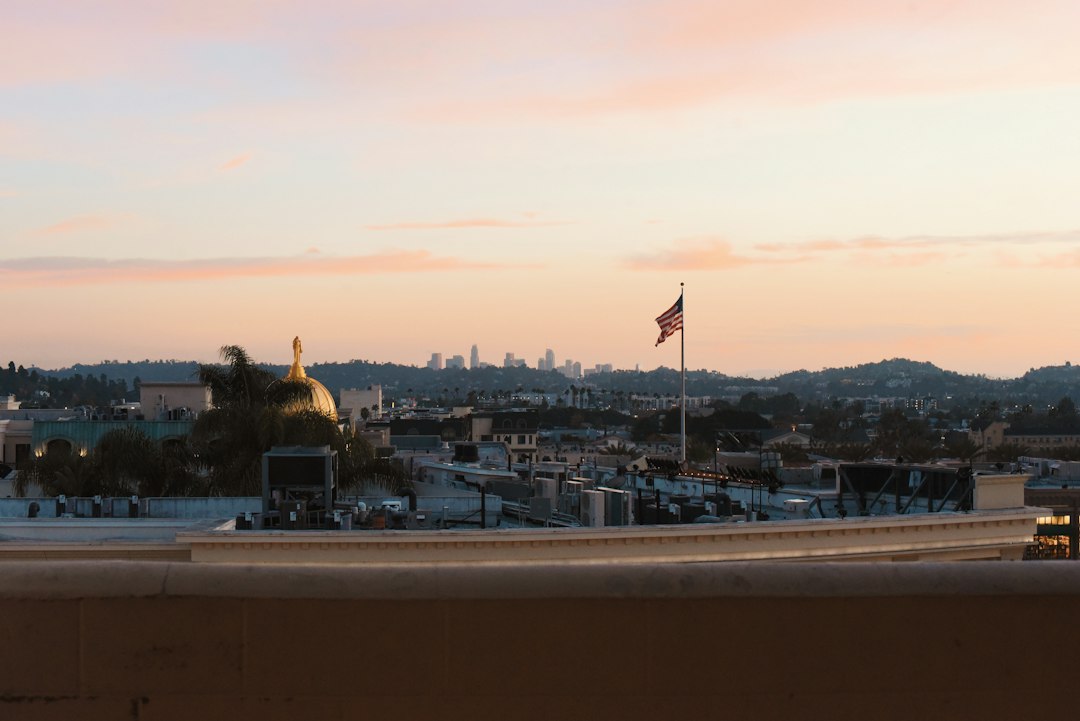
Photo by Katie Mukhina on Unsplash
Discover more from City Towner
Subscribe to get the latest posts sent to your email.