A Deep Dive into the History of Fort Lauderdale, FL
Fort Lauderdale, Florida, is renowned today for its sun-soaked beaches, intricate waterways, and vibrant urban life. But beneath its modern allure lies a storied past that stretches back more than four millennia. The history of Fort Lauderdale FL is a fascinating journey through indigenous settlements, colonial ambitions, wars, pioneering development, and a dramatic transformation into one of South Florida’s most dynamic cities.
Ancient Beginnings: The First Inhabitants
Long before European explorers set foot in the region, the area now known as Fort Lauderdale was home to indigenous peoples. Archaeological evidence suggests that as early as 4,000 years ago, aboriginal groups lived along the banks of the New River, taking advantage of its abundant resources. By around 500 BCE, the Tequesta Indians had established themselves as the dominant tribe in the region, thriving for over a thousand years. The Tequesta built villages along the river, fished in the Atlantic and the Everglades, and developed a sophisticated culture, though their population remained small due to the challenging environment.
European Contact and Turbulent Times
European contact in the 16th century brought dramatic changes. Spanish explorers arrived in the early 1500s, claiming the land for Spain, but did not establish permanent settlements. The Tequesta suffered greatly from diseases introduced by Europeans and the disruptions of the colonial era. Over the next centuries, control of the region shifted among Spain, England, and later the United States, but the area remained largely unsettled and wild.
The Seminole Wars and the Birth of the Fort
The Second Seminole War (1835–1842) was a pivotal event for the region. In 1836, violence erupted when the family of early settler William Cooley was killed by Seminoles, leading to the abandonment of the small New River Settlement. In response, the U.S. military established a series of forts across South Florida, including the first Fort Lauderdale in 1838, named after Major William Lauderdale, who led Tennessee volunteers into the area. The fort was located near the current downtown and served as a military outpost until the end of the war in 1842, after which it was abandoned.
From Wilderness to Settlement: The 19th Century
Following the war, the region remained sparsely populated for decades. Only a handful of pioneer families attempted to settle, often facing isolation, difficult terrain, and the threat of further conflict. The area was known as the New River Settlement during this period. In 1876, the U.S. government built the House of Refuge along the coast, serving as a haven for shipwrecked sailors and later becoming part of the U.S. Coast Guard network.
The Arrival of the Railroad
Fort Lauderdale’s fortunes changed dramatically in the 1890s with the arrival of Henry Flagler’s Florida East Coast Railroad. The railroad provided the first reliable transportation link to the rest of Florida and sparked a wave of development. Small communities began to form along the tracks, and the population slowly grew as agriculture and trade became viable. By 1911, Fort Lauderdale was officially incorporated as a city, marking the beginning of its modern era.
20th Century Growth: From Small Town to City
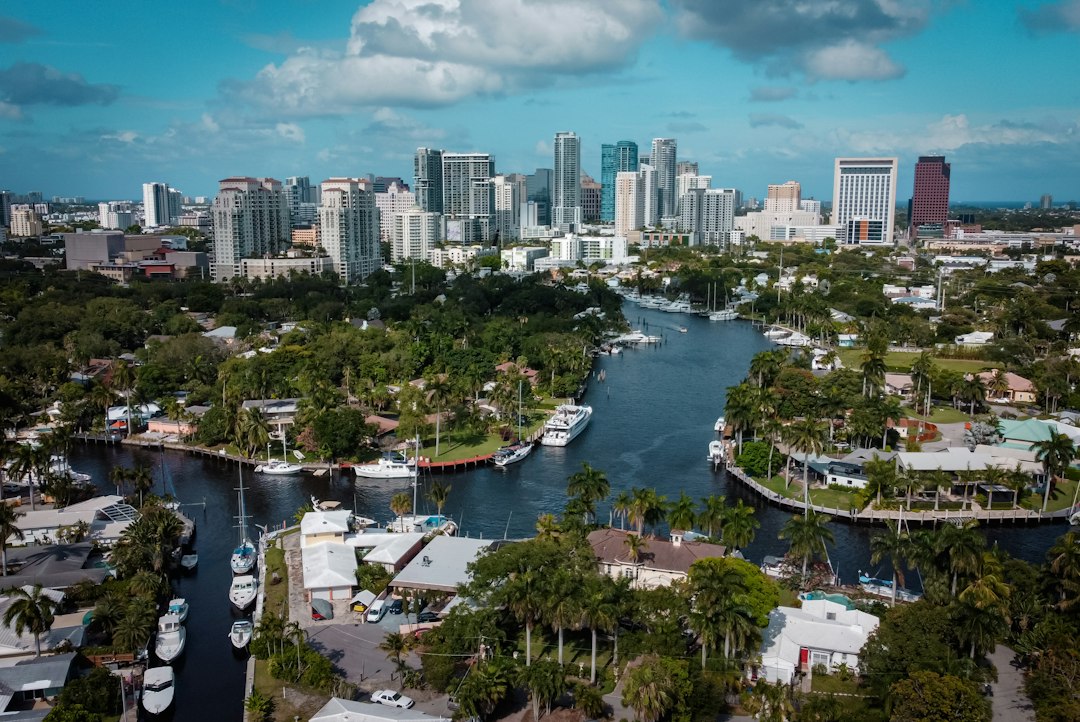
In the early 20th century, Fort Lauderdale experienced rapid growth, fueled by the land boom of the 1920s. Developers marketed the area’s natural beauty and warm climate, attracting new residents and investors. The city’s layout began to take shape, with the construction of roads, bridges, and canals—the latter earning Fort Lauderdale the nickname “Venice of America.” The city’s population soared, though the boom was followed by busts, including devastating hurricanes and the Great Depression.
World War II and Postwar Expansion
During World War II, Fort Lauderdale became a critical base for the U.S. Navy, which established training facilities and airfields. Many servicemen stationed in the area returned after the war, fueling another population surge. The city’s economy diversified, with tourism, boating, and real estate leading the way. By the 1950s and 1960s, Fort Lauderdale had become a popular destination for college students on spring break, cementing its reputation as a fun-in-the-sun getaway.
Modern Fort Lauderdale: Diversity and Transformation
In the late 20th and early 21st centuries, Fort Lauderdale underwent significant changes. While tourism remained vital, the city broadened its economic base to include marine industries, manufacturing, finance, insurance, real estate, high technology, avionics, and even film and television production. The marine industry in particular flourished, with the city hosting the world-famous Fort Lauderdale International Boat Show and boasting one of the largest concentrations of yachts and marinas in the world.
Urban Renewal and Cultural Renaissance
Downtown Fort Lauderdale experienced a renaissance, with new residential towers, cultural venues like the Museum of Discovery and Science, and revitalized riverfront districts. The city’s historic districts, including preserved sites like the Stranahan House and Bonnet House, offer glimpses into its past. Efforts to restore and celebrate the city’s heritage continue through organizations like History Fort Lauderdale and local museums.
Notable Events and Challenges
- The 1926 Hurricane: A devastating storm that ended the 1920s land boom and reshaped the city’s infrastructure.
- World War II: Fort Lauderdale’s transformation into a military hub, with long-term impacts on population and economy.
- Spring Break Era: The 1960s–1980s influx of college students brought both prosperity and challenges, eventually leading to a citywide effort to diversify tourism.
- Modernization: Urban development, environmental concerns, and efforts to balance growth with preservation in the 21st century.
Fort Lauderdale Today: A Global City with Local Roots
Today, Fort Lauderdale is a thriving metropolitan center in Broward County, part of the greater South Florida region. Its economy is diverse, and its population reflects a tapestry of cultures and backgrounds. The city continues to invest in infrastructure, sustainability, and cultural institutions, aiming to preserve its unique character while embracing its role as an international destination and business hub.
Key Historical Landmarks
- Stranahan House: The city’s oldest surviving structure, built in 1901 as a trading post and later a home.
- Bonnet House Museum & Gardens: An early 20th-century estate offering insight into the city’s artistic and architectural heritage.
- Historic Downtown: Includes preserved buildings and museums that tell the story of Fort Lauderdale’s transformation.
Conclusion: Exploring Fort Lauderdale’s Living History
The history of Fort Lauderdale FL is a tale of resilience, reinvention, and enduring appeal. From its ancient Tequesta roots to its status as a modern urban center, the city’s past is woven into its streets, waterways, and vibrant communities. For those interested in delving deeper, local museums and historical societies offer guided tours and exhibits, making it easy to connect with the stories that shaped this remarkable city.
Next step: To experience Fort Lauderdale’s history firsthand, consider visiting the city’s museums, historic sites, or taking a guided heritage tour along the New River.
Photo by MARTLEY U on Unsplash
Discover more from City Towner
Subscribe to get the latest posts sent to your email.