
The Unsolved Case of Eric Solomon: Death by Force in New Orleans, September 3, 2011
The tragic and mysterious death of Eric Solomon in New Orleans on September 3, 2011, remains an unsettling chapter in the city’s history of violent crime. At just 30 years old, Eric Solomon lost his life to what official sources describe as a “death by force.” More than a decade later, the case is still unsolved, and many questions linger about the circumstances surrounding his passing. This article explores what is known about Eric Solomon’s case, the context of violent crime in New Orleans, and the wider implications for unsolved homicides in the United States.
Who Was Eric Solomon?
Eric Joseph Solomon was a 30-year-old resident of New Orleans, Louisiana. Little is publicly documented about his personal life, but records confirm that he died on September 3, 2011. His final resting place is Providence Memorial Park, a cemetery that has seen many New Orleans families lay their loved ones to rest. The details of his death are sparse in the public record, but what is clear is that his life was cut short by violence.
The Circumstances of Eric Solomon’s Death
On September 3, 2011, Eric Solomon became the victim of a “death by force.” This term typically refers to a homicide where physical force, rather than a weapon such as a firearm, is the primary cause of death. However, the specific details—such as the location within the city, the nature of the injuries, or any suspects—have not been widely reported or made available to the public. The lack of information has contributed to the enduring mystery of the case.
What Does “Death by Force” Mean?
“Death by force” can encompass a range of causes, including blunt force trauma, strangulation, or other forms of physical assault. In homicide investigations, the term is used when the victim’s death is clearly the result of violence, but the exact method or motive may not be immediately clear. In Eric Solomon’s case, the term underscores the brutality of the crime, while also highlighting the lack of specific details released to the public.
Violent Crime and Homicide in New Orleans
New Orleans has long struggled with high rates of violent crime, including homicides. The city’s unique social and economic challenges, combined with a legacy of systemic issues, have contributed to a persistently high number of unsolved murder cases. In 2011, the year of Eric Solomon’s death, New Orleans reported over 200 homicides—a staggering figure for a city of its size.
- High homicide rates: New Orleans consistently ranks among the U.S. cities with the highest per-capita murder rates.
- Unsolved cases: A significant portion of homicides remain unsolved each year, due in part to limited resources, witness reluctance, and community distrust.
- Impact on families: Unsolved murders leave families in a state of prolonged grief, with little closure or justice.
The Challenge of Unsolved Homicides
The case of Eric Solomon is not unique in New Orleans or across America. According to various analyses, the clearance rate for homicides in many U.S. cities has declined in recent decades. In some years, fewer than half of homicides are solved, leaving families and communities without answers. Factors contributing to low clearance rates include:
- Shortages of detectives and forensic resources
- Lack of witnesses willing to come forward
- Distrust between law enforcement and communities
- Complexity of cases involving multiple potential motives or suspects
In Eric Solomon’s case, the lack of publicly available information may reflect these broader challenges. Without new leads, many cases go cold, sometimes for decades.
Serial Killers and Patterns of Violence
While the United States has a notorious history of serial killers, the definition of a serial killer—someone who murders multiple people over time to satisfy a psychological need—does not appear to apply to Eric Solomon’s case, based on available information. The FBI defines serial murder as at least two or more separate murders, usually by one offender acting alone. There is no evidence linking Solomon’s death to a serial offender, but the context of ongoing violence in New Orleans makes every unsolved case a subject of concern for law enforcement and the public alike.
Why Are Some Homicides Harder to Solve?
Several factors can make homicide cases particularly difficult to crack:
- Lack of witnesses: Crimes committed in isolated areas or late at night often have few, if any, witnesses.
- Forensic limitations: Not all crime scenes yield usable DNA or fingerprint evidence.
- Victim-offender relationship: When the victim and perpetrator are not known to each other, establishing a motive or suspect pool is challenging.
- Community silence: Fear of retaliation or distrust of police can keep witnesses from speaking out.
Remembering Eric Solomon
Although the details of Eric Solomon’s life and death are limited, it is important to remember that behind every statistic is a person, a family, and a community affected by violence. Eric was laid to rest at Providence Memorial Park, but the questions surrounding his death remain. His case is a reminder of the many lives disrupted by unsolved homicides and the urgent need for continued efforts to bring justice and closure.
How the Public Can Help
Unsolved homicide cases often rely on new information from the public to move forward. Anyone with knowledge about Eric Solomon’s death, or any unsolved crime, can contact local law enforcement or anonymous tip lines. Even small details can make a difference in breaking a case open.
- Submit a tip about Eric Solomon’s case
- Contact the New Orleans Police Department Homicide Unit
- Reach out to local crime stoppers organizations
The Broader Impact of Unsolved Homicides
Unsolved murders have a profound impact on families, communities, and the justice system. Each case that remains open represents a failure to deliver closure and accountability. For cities like New Orleans, improving homicide clearance rates is not just a matter of statistics—it’s about restoring public trust and providing solace to grieving families.
What Can Be Done?
Efforts to address unsolved homicides include:
- Investing in forensic technology and training
- Strengthening relationships between police and communities
- Encouraging witness cooperation through protection programs
- Re-examining cold cases with new investigative techniques
Conclusion: Seeking Justice for Eric Solomon
The unsolved death of Eric Solomon on September 3, 2011, is a stark reminder of the ongoing challenges in addressing violent crime in New Orleans and beyond. While details remain elusive, the call for justice and closure continues. If you have information, consider reaching out to authorities or local organizations dedicated to solving cold cases. Every effort brings us one step closer to answers and accountability.
Next Step: If you have any information about Eric Solomon’s case or other unsolved homicides, contact the New Orleans Police Department or submit a tip to a local crime stoppers organization. Your voice might help bring justice and closure to families still searching for answers.
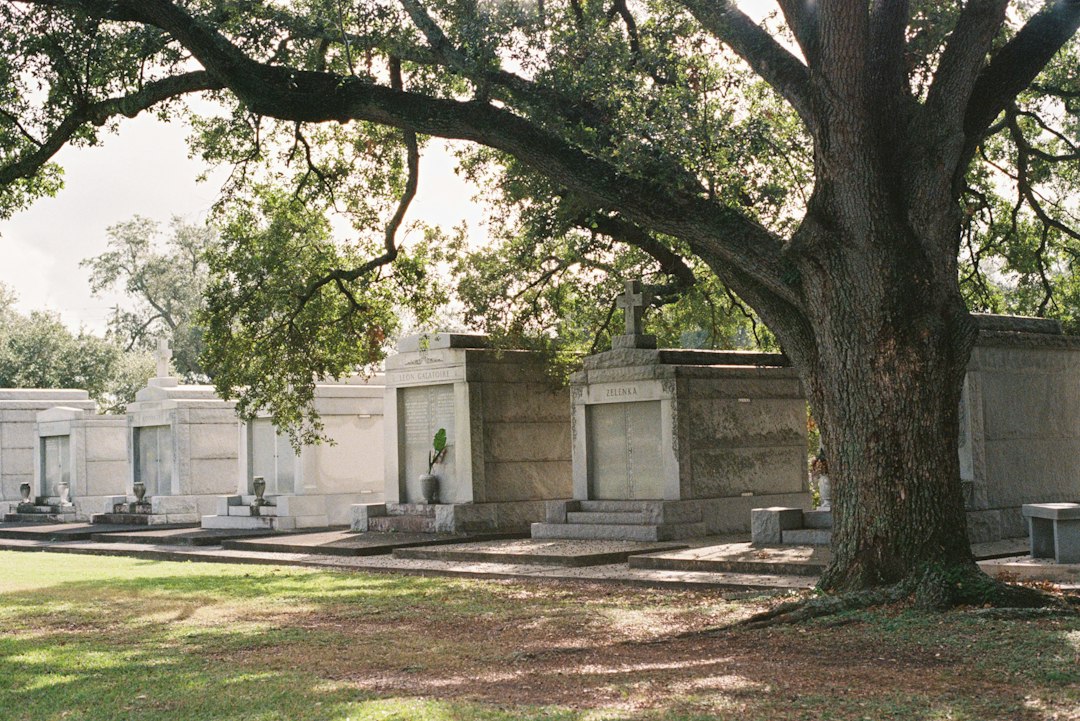
Photo by Sasha Matveeva on Unsplash
Discover more from City Towner
Subscribe to get the latest posts sent to your email.