The History of Elk Grove, CA: From Stage Stop to Thriving City
Elk Grove, California, is a city with a vibrant past and a dynamic present. Located just south of Sacramento, it has evolved from humble beginnings as a stage stop into one of the fastest-growing cities in the United States. The History of Elk Grove CA is a fascinating story of indigenous heritage, pioneering settlers, agricultural innovation, and rapid suburban expansion. Understanding Elk Grove’s journey offers a window into the broader development of California’s Central Valley and the changing face of American communities.
Early Inhabitants and Exploration
Long before Elk Grove appeared on any map, the land was home to the Miwok people. These Native Americans thrived in the rich ecosystem of California’s Central Valley, relying on its abundant wildlife, oak groves, and waterways for sustenance. The area’s first recorded contact with Europeans came in 1808, when Spanish explorer Gabriel Moraga traveled through the region. Moraga named the valley “Sacramento” after the Holy Sacrament, inspired by the lush landscape and plentiful resources.
Accounts from Moraga’s expedition described a landscape teeming with life—oak trees filled with birds and streams sparkling with fish. Tule elk, once plentiful in the region, roamed the grasslands and wetlands, shaping the natural environment that would later inspire the city’s name.
Founding of Elk Grove (1850)
Elk Grove’s modern history began in 1850, during the California Gold Rush era. James Hall, a settler from Missouri, established the Elk Grove Hotel and Stage Stop to serve travelers moving between Sacramento and the San Francisco Bay Area. The area was named “Elk Grove” either after elk antlers found in a nearby grove or as a nod to Hall’s hometown in Missouri. While the true origin of the name remains debated, both stories reflect the early settlers’ connection to the land and its wildlife.
The stage stop quickly became a crossroads for gold miners, merchants, and settlers, providing food, lodging, and a vital link between communities. Its proximity to Sutter’s Fort, a major hub of commerce and migration, further cemented Elk Grove’s role as a gathering place on the frontier.
The Railroad and Agricultural Expansion
The arrival of the Central Pacific Railroad in 1868 marked a turning point for Elk Grove. The railroad built tracks about a mile east of the original stage stop, prompting the construction of a new Elk Grove Hotel to serve train travelers. This development shifted the town’s center of activity and opened new economic opportunities.
Between the late 1860s and early 1890s, Elk Grove’s growth accelerated. A rail line connecting Sacramento and Stockton allowed ranchers and farmers to transport goods more efficiently, fueling the area’s agricultural expansion. The fertile soil supported a variety of crops, including peaches, lemons, prunes, and grapes. By the 1880s, viniculture was well established, with dozens of wine-grape growers contributing to a thriving local wine industry.
During this period, Elk Grove developed a downtown area with churches, stores, and community facilities. The establishment of Elk Grove High School in 1893 signaled the community’s commitment to education and civic life. Despite a major fire in 1892 that destroyed much of the town’s early infrastructure, Elk Grove rebuilt and continued to grow.
Community Development and the Early 20th Century
At the turn of the 20th century, Elk Grove remained a small but vibrant farming community. Agriculture continued to dominate the local economy, with fruit orchards and vineyards dotting the landscape. In 1903, Elk Grove Park was organized to preserve the area’s iconic oak trees, reflecting a growing awareness of environmental stewardship and public recreation.
The early 1900s also saw the formation of key civic institutions. The Elk Grove Park Association and the establishment of the first park district in California helped shape the town’s identity as a family-oriented, community-minded place. Water works, schools, and public events such as the Grangers Annual Picnic further strengthened local bonds.
Despite its agricultural focus, Elk Grove was not isolated from broader trends. The community weathered the economic shifts of the early 20th century and adapted to new technologies and transportation networks.
Postwar Era: Suburban Growth and Change
For much of the postwar era, Elk Grove retained its rural character. While nearby Sacramento experienced rapid suburbanization, Elk Grove grew more slowly, maintaining its identity as a farming town. This began to change in the late 1950s and early 1960s with the expansion of Highway 99, which improved access to the region and encouraged new development.
The opening of Elk Grove’s first shopping center in the early 1960s marked the beginning of a shift toward suburban living. However, this era also saw a decline in the local wine industry, as changing market conditions and competition led to the closure of many vineyards and wineries. Despite these challenges, Elk Grove continued to attract new residents, drawn by its small-town atmosphere and proximity to Sacramento.
Rapid Expansion: The 1980s to Incorporation
The 1980s brought a dramatic transformation to Elk Grove. As Sacramento’s metropolitan area expanded, Elk Grove became a desirable location for families seeking affordable housing and a high quality of life. The population surged from just under 11,000 in 1980 to nearly 60,000 by 2000.
This period of rapid growth saw the construction of new neighborhoods, schools, and commercial centers. Elk Grove’s demographic profile became increasingly diverse, reflecting broader trends in California’s urban development. The community’s infrastructure and services were stretched to accommodate the influx of new residents, prompting discussions about local governance and cityhood.
Cityhood and the 21st Century
On July 1, 2000, Elk Grove officially incorporated as a city, becoming the second largest in Sacramento County. The new city government adopted a council/manager system, focusing on managing growth, expanding public services, and preserving the area’s unique heritage.
Elk Grove’s growth continued at a record pace in the early 2000s. The city was recognized as the fastest-growing in the United States between 2004 and 2005. By the 2020 Census, its population had reached over 176,000, with estimates suggesting further increases in the years since.
Modern Elk Grove is celebrated for its blend of suburban amenities, historic charm, and vibrant cultural life. The Old Town Elk Grove Historic District, with its preserved 19th-century buildings, serves as a reminder of the city’s roots. Sites like the Foulks House (built in 1853) and the Rhoads School (built in 1872) connect residents and visitors to the area’s pioneering past.
Preserving the Past, Embracing the Future
Elk Grove’s commitment to honoring its history is evident in local preservation efforts and community celebrations. The city has invested in revitalizing Old Town, supporting museums, and maintaining historic landmarks. Educational programs, such as the living history experience at the Rhoads School, help new generations understand and appreciate Elk Grove’s journey.
Today, Elk Grove is known for its strong schools, diverse neighborhoods, and active civic life. The city’s agricultural heritage lives on in local farmers’ markets and the continued presence of vineyards and wineries. Meanwhile, economic development, technology, and cultural events ensure that Elk Grove remains a dynamic and forward-looking community.
Key Landmarks and Historic Sites
- Old Town Elk Grove: The city’s historic core, featuring preserved buildings, shops, and restaurants.
- Foulks House (1853): One of the oldest surviving structures in the region.
- Rhoads School (1872): A one-room schoolhouse now serving as a museum and educational site.
- Elk Grove Park: Established in the early 1900s to protect native oak trees and provide public recreation.
Timeline of Major Events in Elk Grove’s History
- Pre-1800s: Miwok people inhabit the area.
- 1808: Gabriel Moraga explores and names Sacramento Valley.
- 1850: James Hall establishes Elk Grove Hotel and Stage Stop.
- 1868: Central Pacific Railroad arrives; new hotel built near tracks.
- 1880s: Viniculture and fruit farming expand.
- 1892: Major fire destroys much of downtown Elk Grove.
- 1893: Elk Grove High School constructed.
- 1903: Elk Grove Park organized.
- 1957-1960s: Highway 99 expansion and suburban development begin.
- 1980s-2000: Rapid population growth.
- 2000: Elk Grove incorporates as a city.
- 2004-2005: Fastest-growing city in the U.S.
Conclusion: Elk Grove’s Ongoing Story
The History of Elk Grove CA is a testament to resilience, adaptability, and community spirit. From its indigenous roots and Gold Rush beginnings to its emergence as a modern city, Elk Grove’s evolution mirrors the broader patterns of California’s growth. Today, the city honors its past while embracing the opportunities of the future, making it a unique and welcoming place for residents and visitors alike.
If you want to experience Elk Grove’s history firsthand, consider exploring Old Town, visiting local museums, or attending one of the city’s many cultural events. Each corner of Elk Grove offers a piece of the story—one that continues to unfold with every new generation.
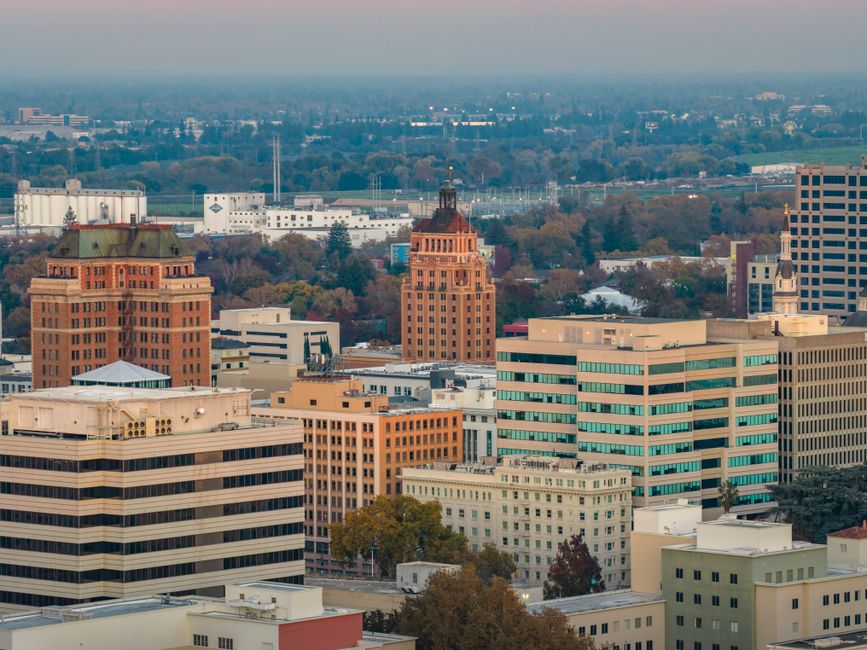
Photo by Stephen Leonardi on Pexels
Discover more from City Towner
Subscribe to get the latest posts sent to your email.