
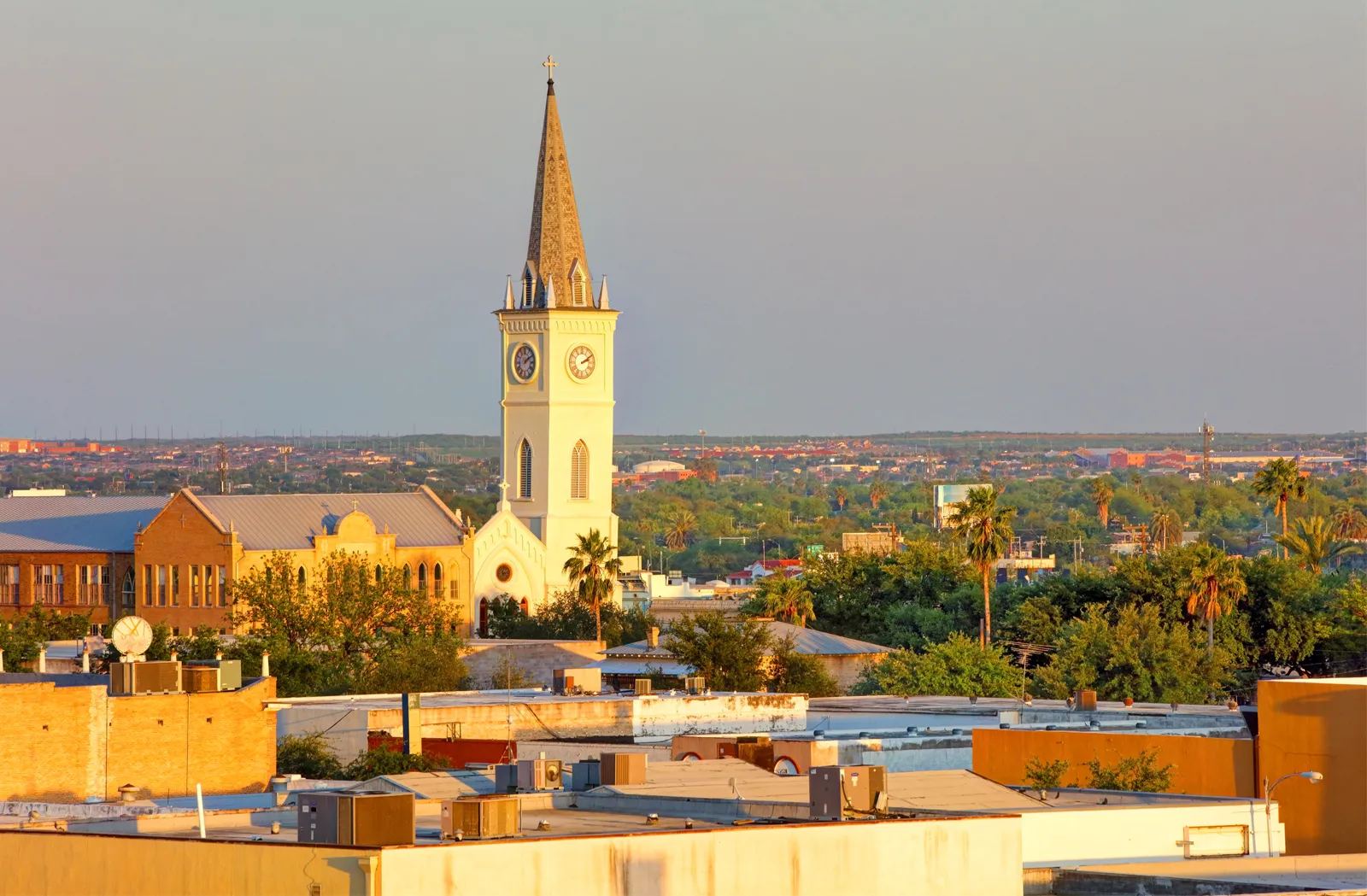
History of Laredo Texas
Laredo, Texas, has a rich and diverse history that stretches back centuries, encompassing indigenous cultures, Spanish colonialism, independence movements, and modern growth. Located along the Rio Grande, Laredo’s past is marked by its strategic importance as a border city, its unique blend of cultures, and its role in U.S.-Mexico relations. This article explores the fascinating history of Laredo, detailing how it has evolved over time.
Early Indigenous Presence
Long before European settlers arrived, the region that is now Laredo was inhabited by various indigenous tribes, including the Coahuiltecans. These early inhabitants were hunter-gatherers who relied on the Rio Grande’s resources. The area served as a crucial trade route, connecting different indigenous groups across the region. Archaeological evidence indicates that these tribes had established communities, engaged in agriculture, and developed rich cultural traditions.
Spanish Colonial Era
Spanish explorers arrived in the area in the late 17th century, attracted by the Rio Grande’s potential for trade and colonization. The Spanish crown encouraged settlement in the area to secure its northern territories. Missions and presidios (military forts) were established, with Spanish culture and Catholicism leaving an enduring mark. The Spanish settlers introduced cattle ranching, which became a vital economic activity in the region.
Founding of Laredo (1755)
In 1755, Tomás Sánchez, a Spanish rancher, founded Villa de San Agustin de Laredo, making it one of the oldest border settlements in North America. Strategically located on the banks of the Rio Grande, Laredo was initially established as a ranching community. Its position made it a key point for trade, serving both the Spanish settlers and indigenous communities. The settlement’s growth was supported by the availability of fertile land and water resources.
Laredo as Part of Nuevo Santander
Laredo became part of the Spanish province of Nuevo Santander, a vast region that stretched from modern-day northern Mexico to South Texas. As part of Nuevo Santander, Laredo thrived as an agricultural center, producing crops like corn, beans, and wheat. The social structure of the area was characterized by a mix of Spanish colonists, indigenous people, and mestizos, creating a culturally diverse community.
Mexican Independence and Impact
Following Mexico’s independence from Spain in 1821, Laredo transitioned from Spanish to Mexican rule. This shift brought changes in governance, land ownership, and social dynamics. Laredo residents adapted to Mexican customs, laws, and political influences. However, the Mexican government’s limited control over the northern territories left Laredo somewhat isolated, fostering a sense of local autonomy.
Laredo in the Republic of the Rio Grande (1840)
In 1840, Laredo briefly became the capital of the Republic of the Rio Grande, a short-lived independent nation that sought separation from Mexico. The republic was formed in response to political dissatisfaction with the centralist Mexican government. Although it existed for less than a year, this episode highlighted Laredo’s independent spirit and its complex relationship with Mexican governance.
Annexation by the United States (1846)
The annexation of Texas by the United States in 1845, followed by the Mexican-American War, led to significant changes for Laredo. The Treaty of Guadalupe Hidalgo in 1848 officially brought Laredo under U.S. control. This transition was met with mixed reactions; while some residents welcomed U.S. governance, others remained loyal to Mexico, resulting in population shifts as some relocated to Nuevo Laredo on the Mexican side.
Civil War Era and Conflicts
During the American Civil War, Laredo played a strategic role as a Confederate supply line, using its access to Mexican markets. The Battle of Laredo in 1864, part of the Confederate efforts to protect cotton supplies, underscored the city’s importance. Post-war, the city faced economic challenges, but its border position allowed it to recover relatively quickly through trade.
Economic Development in the Late 19th Century
The arrival of the railroad in the late 19th century spurred significant economic growth in Laredo. It became a major trade hub for cattle, goods, and services between the United States and Mexico. Industries such as brickmaking, retail, and oil exploration contributed to its prosperity. By the end of the 19th century, Laredo had developed into a bustling border city with a diverse economy.
20th Century: Boom, Bust, and Growth
The 20th century brought both economic booms and downturns to Laredo. The discovery of oil in the early 1900s created new opportunities, while the Great Depression brought hardships. However, post-World War II growth, combined with the expansion of highways and bridges, reinforced Laredo’s status as a crucial trade and logistics center.
Cultural and Demographic Shifts
Laredo’s culture has been shaped by a strong Hispanic influence, evident in its festivals, food, and traditions. Events like the Washington’s Birthday Celebration and Jamboozie reflect the city’s vibrant cultural heritage. Over the decades, Laredo has seen significant demographic shifts, with a predominantly Hispanic population that maintains strong cultural ties to Mexico.
Role in U.S.-Mexico Relations
As one of the busiest border cities, Laredo has been central to U.S.-Mexico relations. The city plays a vital role in trade, with the Laredo-Nuevo Laredo port of entry being one of the busiest land ports in the Western Hemisphere. The city’s border position also brings challenges related to immigration, security, and binational cooperation.
Modern Laredo: A Border City in Transition
In the 21st century, Laredo continues to evolve, balancing economic growth with social and infrastructure challenges. The city’s identity is deeply intertwined with its role as a border community, making it a focal point for discussions on immigration policy, trade agreements, and cultural exchange.
Notable Historical Landmarks
Laredo is home to several historical landmarks that reflect its rich past, such as the San Agustin Cathedral, Republic of the Rio Grande Museum, and the Villa Antigua Border Heritage Museum. These sites offer insights into the city’s history and heritage, attracting visitors and preserving Laredo’s legacy.
Conclusion
The history of Laredo, Texas, is one of resilience, adaptation, and cultural fusion. From its indigenous roots to its modern role as a bustling border city, Laredo’s past is a testament to its enduring spirit and strategic significance. As Laredo continues to grow and change, its historical legacy remains a crucial part of its identity.
Discover more from City Towner
Subscribe to get the latest posts sent to your email.