
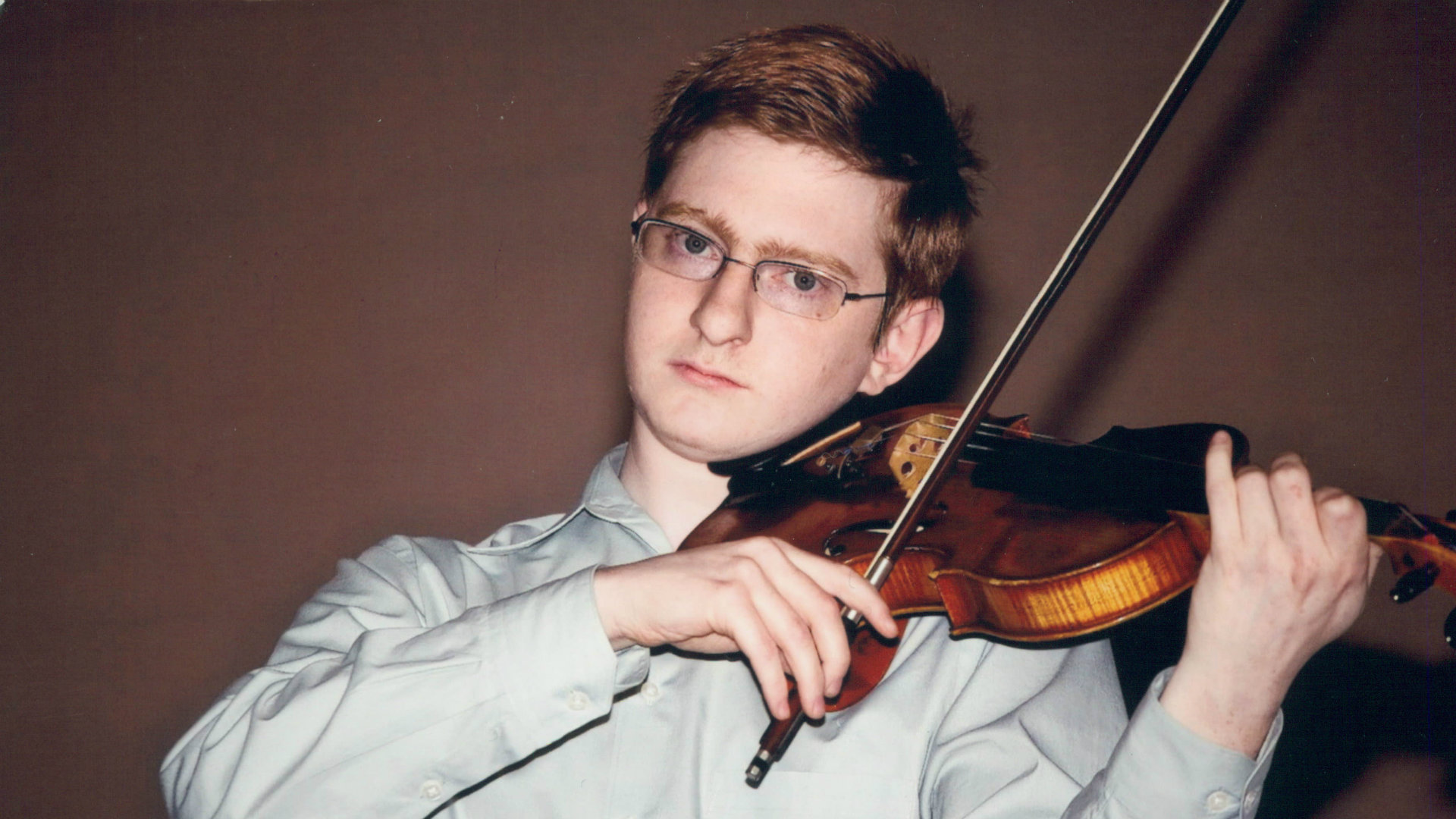
The Horrible Suicide of Tyler Clementi in New Brunswick New Jersey
On September 22, 2010, Tyler Clementi, an 18-year-old Rutgers University freshman, died by suicide after a rapid, painful chain of events that began inside a college dorm room in New Brunswick, New Jersey. His death became a defining moment in the national conversation about privacy, online cruelty, and the pressures faced by LGBTQ students navigating identity, intimacy, and belonging in public and digital spaces.
This case is not only about one young man’s final week. It is also about how modern social life can turn private moments into public spectacle, how quickly humiliation can spread, and how institutions, peers, and communities can either buffer or magnify harm.
Tyler Clementi’s Early Weeks at Rutgers
Tyler arrived at Rutgers at the start of his first semester with the ordinary hopes of an 18-year-old stepping into independence. College was supposed to be a place to explore new friendships, develop talent, and build a future. He was also at an age where identity and self-understanding can feel both thrilling and fragile.
For many students, the first weeks away from home are intense. The social learning curve is steep. Roommate dynamics are unpredictable. The need to fit in can collide with the need to be authentic. In this pressure cooker, even small conflicts can feel enormous, and moments that might otherwise pass quietly can gain outsized emotional weight.
The Dorm Room and the Breach of Privacy
The events at the center of this case involved Tyler’s roommate and a fellow student in the residence hall. Tyler had an intimate encounter with another man in his dorm room. Without his consent, a webcam was used to view that private moment, and the situation was discussed online.
This was not a simple case of awkward roommate tension. The core issue was the violation of privacy in a setting that should have been safe. A dorm room is one of the few spaces college students can reasonably expect to control. When that expectation is shattered, the consequences can be immediate and severe.
The added layer of public commentary and social sharing turned a private experience into a public threat. When personal dignity is put at risk in front of one’s peers, the fear can feel inescapable.
The Social and Emotional Spiral
Humiliation works differently in the digital age. It is not only the act itself that harms, but also the anticipation of what could be seen, repeated, or forever searchable. For a young student still forming his identity and support network, the sense of exposure can be overwhelming.
The emotional burden often includes multiple fears at once. Fear of being mocked. Fear of being defined by a single moment. Fear of losing control over one’s story. Fear of becoming a campus spectacle. In this kind of crisis, isolation can deepen, even when people are physically nearby.
Tyler’s experience reflected a collision of vulnerability and visibility. The same technology that connects students can also be used as a weapon that amplifies shame.
September 22, 2010
On September 22, 2010, Tyler Clementi died by suicide. The news spread quickly across campus and then across the country. Students, parents, educators, and advocates confronted a question that still resonates. How could a freshman’s first weeks at college end like this.
While the key conflict began in a Rutgers dorm in New Brunswick, New Jersey, Tyler’s death reverberated far beyond the campus. The tragedy forced an urgent reckoning with how casual cruelty, privacy violations, and identity-based ridicule can combine into catastrophic outcomes.
National Reaction and Public Grief
The public reaction was swift and emotional. Many people viewed Tyler’s death as emblematic of the risks LGBTQ youth and young adults face when they are subject to harassment or exposed without consent. Others focused on the broader issue of digital accountability and how easily technology can be misused.
Candlelight vigils, student gatherings, and campus-wide moments of mourning emerged not only at Rutgers but also in communities across the country. For many, this was a moment of recognition that the internet is not separate from real life. Online behavior can carry life-altering consequences.
The Legal and Institutional Aftermath
The case moved into the legal system, where the actions that led to the privacy violation were scrutinized and prosecuted. The proceedings became another public stage for debates about intent, bias, accountability, and the boundary between immaturity and harm.
At the institutional level, the tragedy helped accelerate a wave of renewed policies and programming on many campuses. Schools began reexamining how they handled harassment reports, how they educated students about digital conduct, and how they supported those who felt targeted or unsafe.
Some changes were practical, such as clearer codes of conduct and training for resident life staff. Others were cultural, emphasizing respect, consent, and the responsibility to intervene when peers are being harmed.
The Broader Meaning of the Case
Tyler Clementi’s death remains a cautionary story about the fragility of privacy and the power of social perception. It also highlights the particular vulnerabilities that can arise when a young person’s sexual identity becomes a subject of unwanted attention.
This case underscores that harm is not always delivered through direct threats. Sometimes it comes through exposure, gossip, and the weaponization of embarrassment. The pain can be intensified when the victim believes there is no safe path back to normal life.
The tragedy also reveals how critical it is for communities to create immediate, visible support for students in crisis. A single compassionate intervention, a clear institutional response, or a trusted friend can shift the emotional landscape at a crucial moment.
Lessons for Digital Life and Campus Culture
The legacy of this case is not only a warning, but also a call to build healthier norms. Privacy should be treated as a boundary that deserves active protection. Consent must be understood as essential not just in physical spaces but also in digital ones. Humor that relies on someone else’s humiliation is not harmless.
For students, the lesson is that bystander choices matter. Silence can feel like approval to the person inflicting harm, while support can feel like oxygen to the person suffocating under shame.
For universities, the lesson is that policy alone is not enough. Culture is the true enforcement mechanism. Students need to see that dignity is valued in practice, not only in handbooks.
Remembering Tyler Clementi
Tyler is remembered not only for the tragedy of his death, but for the urgent conversations it sparked about empathy, identity, and the cost of careless cruelty. His story continues to influence how educators, parents, and students talk about safety, respect, and the right to control one’s private life.
The hope embedded in this painful history is that awareness leads to prevention. That future students who feel exposed, targeted, or overwhelmed will encounter faster support, stronger protections, and a community prepared to stand between vulnerability and harm.
Discover more from City Towner
Subscribe to get the latest posts sent to your email.