25 Fun Facts About Tacoma Washington
Tacoma, Washington is the kind of city that surprises people who only know it by reputation or by a quick drive past the industrial shoreline. It is a port city with a blue collar backbone, a creative streak, and a dramatic setting where water, hills, and big sky views all collide. On any given day you can watch ships moving through Commencement Bay, hear trains working the corridor, and still find quiet neighborhoods with tree lined streets that feel a world away from the waterfront.
The city’s personality comes from contrasts that somehow fit together. Tacoma can feel historic and modern at the same time, with century old buildings downtown and new development rising nearby. It can feel gritty and polished, with working docks and carefully curated museums within minutes of each other. It can feel intensely local, yet connected to the world through trade, military history, and a steady flow of newcomers who discover the city and decide to stay.
A Landscape Built for Views and Stories
Tacoma’s geography has always shaped how people experience it. The city is built on hills and plateaus above the bay, which means many streets open into unexpected viewpoints. A normal drive to the store can turn into a moment where Mount Rainier suddenly fills the windshield, looking close enough to touch. That mountain presence is not just scenery. It is a constant landmark that influences how residents orient themselves and how they talk about the city.
Water is equally central. Commencement Bay and the broader Puget Sound network give Tacoma its maritime identity, while parks and waterfront spaces offer ways to interact with the shoreline beyond industry. The city’s shape encourages exploration. You can spend an afternoon moving between distinct districts and feel like you have visited multiple towns, each with its own pace and character.
Industry, Creativity, and the City’s Reinvention
Tacoma’s history includes a long industrial chapter that shaped its economy, its neighborhoods, and its national image. The port, rail lines, and manufacturing base made Tacoma a place where things were built, shipped, and processed at scale. That work created generations of skilled labor and a culture that values practicality and resilience.
In recent decades, Tacoma has expanded its identity into arts, education, healthcare, and small business culture. The city did not abandon its working roots. Instead, it layered new energy on top of them. This is one reason Tacoma feels authentic. It is not trying to be a different place. It is adapting to modern realities while still carrying the imprint of what came before.
Neighborhoods That Feel Like Separate Worlds
Tacoma is not a one note city. The way people talk about it often includes neighborhood names because each area has a distinct vibe. Some districts feel historic and walkable with older homes and corner businesses. Others feel more suburban with wide streets and a quieter rhythm. There are areas known for nightlife and restaurants, and others known for parks, views, and community events.
That variety shapes daily life. It is easy to build routines around your part of the city and still discover something new a short drive away. This is also why Tacoma is a strong city for local pride. People often feel connected to their neighborhood first, then to Tacoma as a whole, creating a patchwork identity that is friendly, opinionated, and rooted.
The Port City Identity That Never Goes Away
Even if you spend most of your time away from the waterfront, Tacoma’s port identity shows up in subtle ways. It is in the trains you hear at night, the industrial lights that glow in the distance, and the steady sense that Tacoma is linked to global movement. It is also in the city’s culture of work, the way people talk about trades, logistics, and the practical side of life.
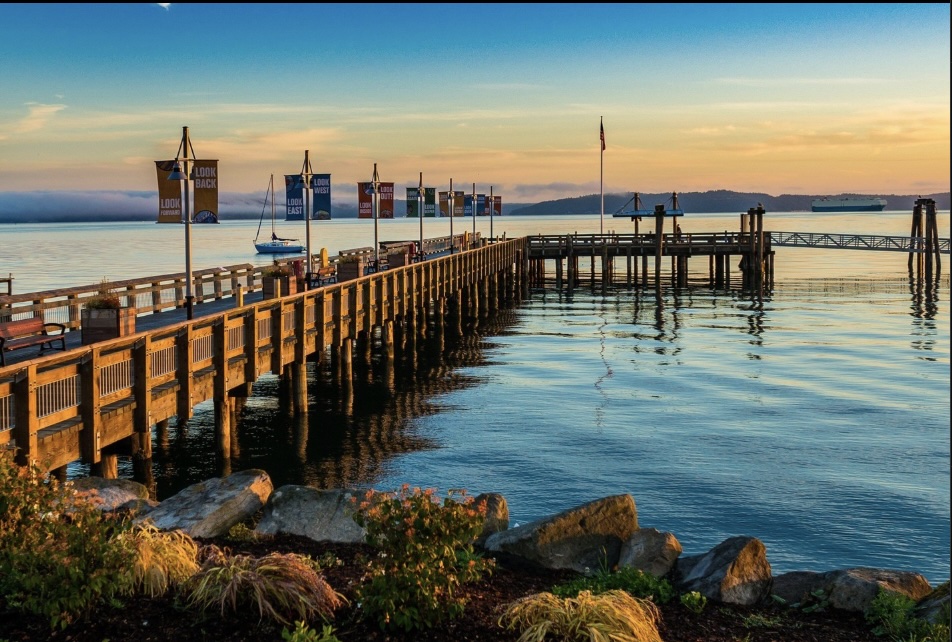
At the same time, Tacoma has worked to make the waterfront more accessible and to create public spaces that invite residents to enjoy the shoreline. The city’s relationship with its water has become more balanced, recognizing both the economic power of the port and the human need for parks, clean air, and community gathering spaces.
A City That Rewards Curiosity
Tacoma is full of small discoveries. It is the kind of city where a weekend walk can lead you to a staircase tucked between houses, a viewpoint over the bay, a historic building you never noticed before, or a mural that changes how a block feels. This sense of discovery is part of Tacoma’s charm. It does not always show itself immediately, but it rewards people who pay attention.
The city’s fun facts reflect that same layered identity. Some are about geography and history. Some are about culture and quirks. Some are about the way Tacoma has influenced bigger stories in the region and beyond.
25 Fun Facts About Tacoma, Washington
- Tacoma’s nickname “City of Destiny” comes from the era when leaders believed the city was destined for major growth tied to rail and port power.
- Commencement Bay is one of Tacoma’s defining geographic features, giving the city a deep water harbor identity.
- Mount Rainier can appear shockingly large from Tacoma on clear days, and locals often measure a day’s beauty by whether “the mountain is out.”
- Tacoma’s street layout includes steep hills that create dramatic view corridors and make certain neighborhoods feel perched above the water.
- The city has a strong tradition of glass art and is closely associated with modern glass culture in the region.
- Tacoma’s port infrastructure connects the city to international trade routes, making it one of the Pacific Northwest’s major logistics hubs.
- The city’s industrial past shaped a reputation for smoke and manufacturing, a legacy that Tacoma has worked hard to reframe through cleanup and reinvention.
- Tacoma has a long labor history, with working class neighborhoods and union culture playing an important role in civic identity.
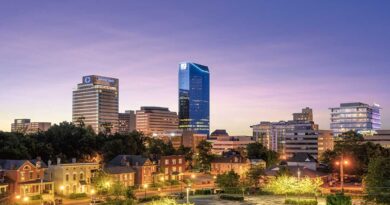
- The downtown core includes historic buildings that reflect multiple architectural eras, giving the city a layered skyline even without towering height.
- Tacoma’s neighborhoods can feel like separate small towns, each with its own main streets, local hangouts, and community events.
- The city has a strong military connection due to its proximity to Joint Base Lewis McChord, which influences the local economy and community mix.
- Tacoma is known for having big personality in a smaller city footprint, with local pride that shows up in art, sports, and neighborhood identity.
- The city’s weather patterns can shift quickly between fog, drizzle, and bright skies, especially near the water.
- Tacoma’s parks often feature sweeping viewpoints because of the city’s elevation changes and waterfront edges.
- The tide flats area has been heavily shaped by human engineering over time, reflecting Tacoma’s long history of shaping shoreline for industry.
- Tacoma has a thriving mural and public art presence that adds color and narrative to many corridors and districts.
- The city’s food scene is influenced by its port identity, bringing in global flavors and strong immigrant community traditions.
- Tacoma’s coffee culture is deeply woven into daily life, with cafes serving as community living rooms across many neighborhoods.
- The city has a strong live music and performance culture, supported by venues that range from intimate stages to larger theaters.
- Tacoma’s housing stock includes everything from classic craftsman homes to mid century neighborhoods and newer urban apartments.
- The city’s waterfront has been increasingly redesigned to support recreation and public access alongside industry.
- Tacoma has a reputation for being creative and a little offbeat, with a DIY spirit that shows up in shops, art spaces, and community projects.
- The views from Tacoma can include water, mountain, and city lights in a single panorama, especially at dusk.
- Tacoma is part of a larger regional network, but it maintains its own identity rather than feeling like an extension of nearby cities.
- Tacoma’s story is one of ongoing transformation, moving from boom era ambition to industrial strength to a modern mix of culture, commerce, and community.
Discover more from City Towner
Subscribe to get the latest posts sent to your email.