
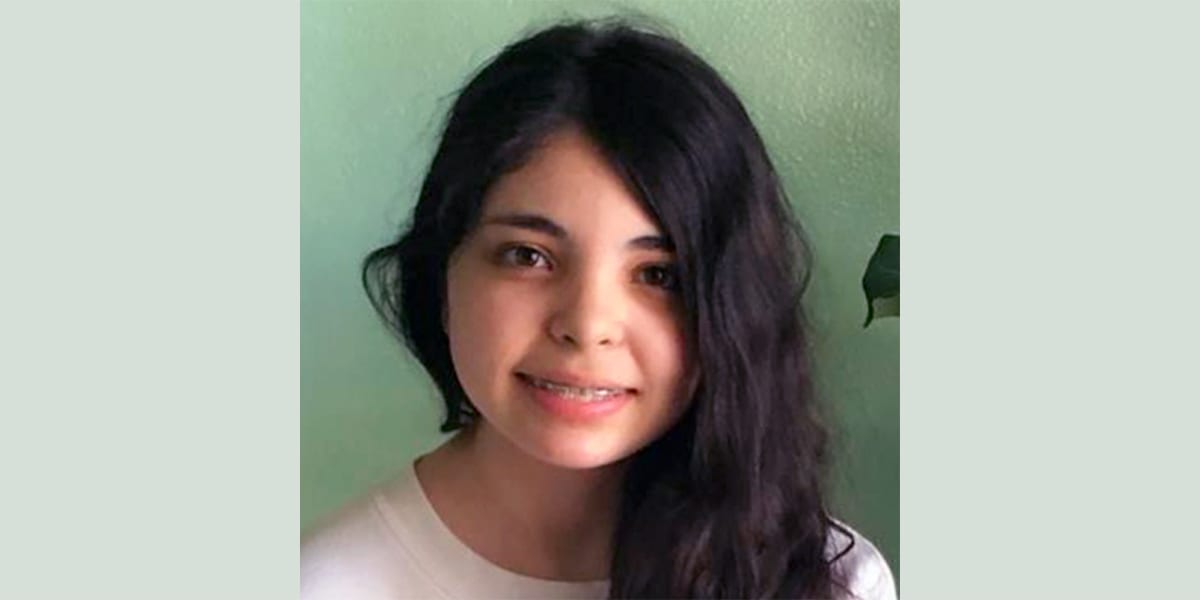
Alicia Navarro Disappears in Arizona Then Reappears Four Years Later in Montana
On September 15, 2019, Glendale, Arizona was asleep when a teenage girl slipped out of her home and disappeared into the darkness. The timing mattered. In the early morning hours, neighborhoods are still, streets are mostly empty, and even small movements can go unnoticed. That combination of silence and shadow can make a disappearance feel almost unreal, as if a person simply dissolved into the night. For Alicia Navarro’s family, that morning became the dividing line between ordinary life and a long stretch of uncertainty that would last for years.
Alicia was 14 years old at the time. Her age placed her in a fragile space between childhood and independence, old enough to have private thoughts and plans, but young enough to be vulnerable to manipulation, fear, and impulsive decisions. When a teenager disappears, families wrestle with competing possibilities. Did she leave by choice. Was she lured by someone who promised safety or love. Was she taken. Every option carries its own kind of dread, and without answers, the mind cycles through each one endlessly.
Who Alicia Navarro Was Before The Missing Posters
Alicia Navarro was a young teenager living with her family in Glendale. She had routines, preferences, and a home life that included the everyday patterns common to families raising children. She was also described publicly as autistic, a detail that shaped how many people understood the risk factors involved. For some missing youths, disappearing may involve an impulsive run, a conflict, or a desire for freedom. For an autistic teen, additional vulnerabilities can exist, such as difficulty reading intent, heightened trust in familiar online contacts, or challenges navigating unfamiliar situations once away from home.
That context mattered because it influenced how the public and law enforcement viewed the case. Alicia was not an adult who could disappear and easily blend into a new identity. She was a minor, and her age made her disappearance automatically urgent. The longer she remained missing, the more the case felt like a countdown without a visible clock.
Glendale, Arizona On September 15, 2019
Glendale is part of the Phoenix metro area, a place where major roads, busy commercial corridors, and quiet residential blocks exist side by side. In the daytime, it is a city of movement, traffic, schools, and stores. At night, those same neighborhoods can feel closed off and watchful, with porch lights and streetlights marking small islands of visibility.
On September 15, 2019, Alicia vanished from that environment. The details that mattered most were the ones that families cling to in the first hours of a disappearance, what she was last known to be wearing, what she took with her, and what she might have left behind. One of the most haunting elements in this case was the idea that she left a note, a small piece of writing that suggested intention, yet still left the biggest questions unanswered. Notes can sound like clarity, but in missing person cases they often do the opposite. They create a storyline without proof, and they can be interpreted in multiple ways depending on fear, hope, and the clues that emerge later.
The First Hours And The Shock Of Silence
In the first hours after a teen vanishes, families usually move in phases. First comes the immediate search through the home and neighborhood, then the calls to friends, then the realization that the situation is bigger than a simple misunderstanding. When the missing person is a child, that escalation happens fast. The urgency is not only emotional. It is practical. Time is the enemy.
The early response typically includes law enforcement taking statements, gathering recent contacts, checking digital activity, and canvassing the area. But even with a strong response, disappearances that happen in the quiet hours can be hard to reconstruct. Few witnesses are awake. Cameras may not cover every angle. A ride could come and go quickly. A teenager could move a short distance on foot and vanish into a car or a darker section of the neighborhood before anyone realizes something is wrong.
As the day progressed, the fear would have sharpened. Every hour without contact chips away at the idea of a safe, simple explanation.
A Long Search That Turned Into Years
As days turned to weeks and weeks turned to months, Alicia’s case moved into the painful category of long term missing. That status changes how a family lives. Normal milestones are interrupted. Holidays come with an empty chair. Birthdays become reminders that time is moving forward without the missing person. Families often live in a state of suspended grief, unable to mourn fully because there is no certainty, yet unable to relax because the person is not home.
Public cases also evolve. Community awareness rises and falls. Media cycles move on. New cases compete for attention. Families become the engines that keep the name alive, organizing reminders, asking for tips, and pushing for continued focus. Over time, the public learns fragments, that investigators continue working, that leads are followed, that nothing has conclusively explained where the missing teen went or who may have influenced the decision.
For Alicia, the question of whether she left voluntarily or was guided by an unseen force remained central. Many long term teen disappearances involve online contact, grooming, or a relationship that began in private digital spaces. Even when that possibility is suspected, proving it can be extremely difficult, especially if the person is moved across state lines or kept away from obvious public contact.
The Reappearance That No One Expected
On July 23, 2023, nearly four years after she disappeared, Alicia Navarro reappeared in a way that startled both the public and investigators. She walked into a police station in Havre, Montana and identified herself, asking to be removed from the missing persons list. That detail changed the emotional shape of the story overnight. For years, many people feared the worst. Suddenly, she was alive.
Havre is a small city in northern Montana, far from Glendale, Arizona, and close enough to the Canadian border that it feels like the edge of the map to many Americans. The distance between Glendale and Havre is not just geographic. It represents an entirely different climate, culture, and rhythm of life. For a teen who had vanished from the desert Southwest to later surface in northern Montana, the obvious questions became immediate. How did she get there. When did she arrive. Who was she with. What happened during the missing years.
The moment of reappearance can be complex in ways the public does not always recognize. When someone returns after years missing, authorities must balance safety, privacy, and investigation. The person may be legally an adult at the time of return, and that status changes what can be disclosed. The family may want answers that the law cannot immediately provide publicly. The public may demand details that investigators must protect.
What It Means To Ask To Clear Her Status
Alicia’s reported request to clear her status is a phrase that sounds administrative, almost cold, but it carries heavy meaning. It suggests she understood she was listed as missing and wanted that designation removed. In one sense, it is a relief. It confirms she is alive and able to speak for herself. In another sense, it raises deeper questions about why she did not return earlier, why she remained away for so long, and what conditions shaped her choices.
When a missing person reappears and is described as safe, the word safe can mean multiple things. It can mean she was not injured at the moment of contact. It can mean she did not appear to be in immediate danger. It does not automatically answer whether she had been exploited, coerced, or controlled during the missing years. Those are questions that often require careful investigation, interviews, and evidence review that can take time.
The Investigation After She Was Found
Reappearance does not end a case. It changes it. After Alicia was located, investigators still had the responsibility to understand what happened between September 15, 2019 and July 23, 2023. That responsibility exists for multiple reasons. There may be crimes that occurred. There may be other victims. There may be individuals who facilitated travel, concealment, or exploitation. There may be digital trails that can now be examined with new context.
Public reporting later connected the broader situation to a criminal case involving an adult male in Montana, with charges related to child sexual abuse material. That development added another layer to the story and intensified public interest. At the same time, authorities were cautious in how they described the connection, because investigations often involve facts that are not yet fully proven in court or are not appropriate to disclose publicly.
For families, that period can be emotionally brutal. Relief that the missing person is alive collides with anger and grief over lost years. There can be joy and confusion in the same moment. There can also be tension between public curiosity and the private reality of reintegration. A teenager who vanished at 14 and resurfaced at 18 is not returning to the same life. She is returning as someone shaped by years of experiences that others do not know.
The Emotional Aftermath For Families And Communities
When a missing child returns alive after years, the story is often framed as a miracle. And in many ways it is. But miracles do not erase trauma. Families face a new set of challenges, rebuilding relationships, processing what happened, and navigating the boundaries of privacy, trust, and healing. Communities that watched the case unfold may feel protective and curious at the same time. They want to know what happened because they fear it could happen again.
The case also changes how people think about prevention. Parents consider online safety differently. They think about how quickly a young person can be pulled into a relationship or plan that feels real to them but dangerous in reality. They think about how a note can hide more than it reveals. They think about how distance can become a weapon when someone is moved far from their support network.
Why Alicia Navarro’s Story Continues To Matter
Alicia Navarro’s disappearance and reappearance matter because they show two realities at once. First, it is possible for missing children to be found alive even after years, and that possibility fuels hope for other families still waiting. Second, a reappearance does not automatically erase the harm done in the missing years, nor does it close the investigative questions.
The case began in Glendale, Arizona on September 15, 2019, when a 14 year old girl vanished in the quiet hours. It shifted dramatically on July 23, 2023, when she resurfaced in Havre, Montana and asked to clear her missing status. Between those dates lies a long stretch of unknown time, a gap that investigators and family members continue to process, and a reminder that the stories behind missing person posters are often far more complicated than the public ever sees.
Discover more from City Towner
Subscribe to get the latest posts sent to your email.