The Disappearance of Jonathan Frase in Honolulu Hawaii
The disappearance of Jonathan Fraser remains one of the most haunting missing person cases connected to Honolulu in recent memory. What began as a report of a young man who had suddenly stopped answering calls and texts grew into a much larger story that drew public attention, media coverage, and years of questions from investigators, family members, and the wider community. For those who followed the case from the beginning, the most unsettling part was how quickly a normal day seemed to turn into silence.
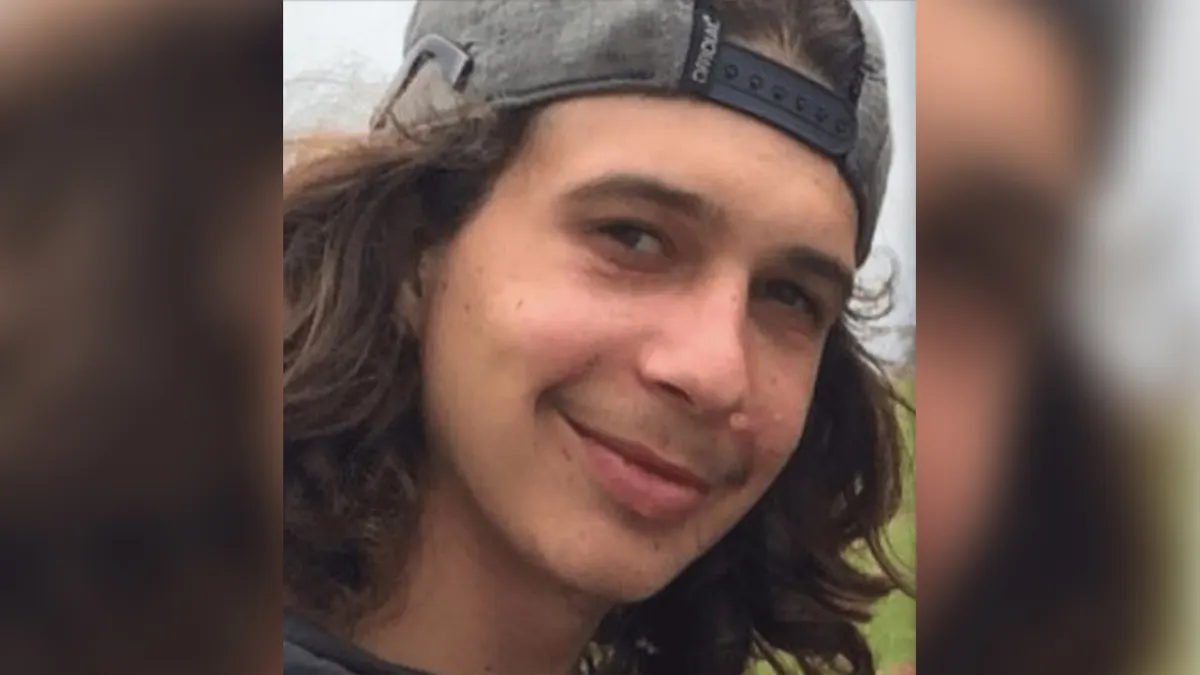
Jonathan Fraser was a young man from Honolulu whose life came to an abrupt and troubling stop on July 30, 2016. Family and friends believed something was wrong almost immediately. The concern was not based on a simple missed call or a late response. It came from the feeling that his absence did not fit his usual behavior. People close to him did not believe he would willingly walk away and cut off contact. That instinct helped push the case into the public eye, but even with that attention, answers did not come quickly.
The basic facts of the disappearance have remained central to the story. Jonathan Fraser was last seen at his apartment in Hawaii Kai, a neighborhood in Honolulu, Hawaii, on July 30, 2016. He was reported missing the following day after family and friends realized they could not reach him. As the hours turned into days, what may have first appeared to be a missing person case began to feel far more serious.
A Young Life Interrupted
One reason Jonathan Fraser’s disappearance has stayed in public memory is because he was so young. Cases involving young adults often carry a painful contrast between possibility and uncertainty. Friends remember a person with years ahead of him, while family members are left frozen between hope and dread. That emotional tension often shapes how these cases are experienced in real time. Every phone call feels important. Every rumor feels dangerous. Every delay feels heavier than the last.
In Jonathan’s case, that tension was sharpened by the circumstances surrounding his disappearance. There was no public indication that he had planned to leave town, start over somewhere else, or separate himself from the people closest to him. When someone vanishes without explanation, investigators often look at patterns such as travel plans, financial activity, phone records, and personal history. In a case like this, the absence of an ordinary explanation only deepens the alarm.
For loved ones, the earliest stage of a disappearance can be the hardest to endure because there is still no clear narrative. There is only a gap. A person is there one day and gone the next. The routines that once felt ordinary suddenly become important pieces of a puzzle. The place where someone was last seen becomes a location everyone remembers. A vehicle, a phone, a missed appointment, or a final conversation can take on enormous weight. In Jonathan Fraser’s case, each of those details became part of a much larger effort to understand what happened.
The Final Known Timeline
The known timeline from the beginning of the case is short, and that has long been one of the most troubling elements. Jonathan Fraser was last seen on July 30, 2016, at his apartment on Keokea Place in Hawaii Kai. By July 31, 2016, he had been reported missing. That quick shift from normal life to a missing person report reflected how unusual his disappearance seemed to those around him.
A major development came on August 8, 2016, when investigators found his vehicle. The car, a gray 1994 Honda hatchback, was discovered parked near the intersection of Summer Street and Kuliouou Road in Hawaii Kai. A found vehicle can sometimes bring a case closer to resolution, but it can also create even more questions. Was the car left there by the missing person, by someone else, or as part of an effort to mislead investigators? Did it hold evidence, or did it only add another piece to an already confusing situation?
For the public, the recovery of Jonathan’s car reinforced the fear that this was not a case of someone simply leaving for a while. The vehicle became one of the clearest physical links in a case with very few confirmed public details. When a person disappears and their car turns up abandoned, it often changes how both investigators and the public interpret the danger involved.
A Family Searching for Answers
Every disappearance creates two stories at once. One is the formal investigation carried out by law enforcement. The other is the deeply personal struggle lived every day by the missing person’s family and friends. That second story is often quieter but no less powerful. It is built from unanswered messages, repeated phone calls, sleepless nights, and the stubborn hope that any new tip could bring clarity.
Families of missing people are forced into a cruel position. They have to speak publicly enough to keep attention on the case, but privately they are carrying grief, fear, confusion, and sometimes anger. They often become advocates even while living through trauma. In Jonathan Fraser’s case, his loved ones kept his name in the public conversation and pushed for information, believing that someone knew more than they were saying.
As time passed, the emotional burden only grew. A missing person case does not stand still for a family. Birthdays, holidays, and ordinary milestones become painful reminders of absence. The lack of certainty can be harder than a confirmed tragedy because there is no final answer to hold onto. There is only the question of where the missing person is and whether the truth will ever be known.
Honolulu Watched the Case Grow Darker
Honolulu is often seen through the lens of beauty, tourism, and island life, but like any city, it has its share of hard realities. When a disappearance like Jonathan Fraser’s captures attention, it reminds the public that violence and fear can exist anywhere. Cases involving young victims often strike communities especially hard because they disturb the belief that certain people still have time, chances, and years ahead of them.
As the investigation moved forward, public understanding of the case changed. What started as a disappearance later became connected to broader criminal allegations made by federal prosecutors. Over time, authorities publicly alleged that Jonathan Fraser had been kidnapped and killed. Those allegations transformed the case in the public mind from a mystery of absence into a story about suspected revenge, organized criminal activity, and the devastating consequences of unresolved violence.
That shift did not erase the original missing person aspect of the case. If anything, it made the early days seem even more tragic. A disappearance already carries fear, but later allegations of kidnapping and murder add another layer of pain. They suggest that what looked mysterious at first may have been the result of deliberate and violent planning.
The Broader Story Behind the Disappearance
One reason the case drew major public interest is that it did not remain isolated. Prosecutors later tied Jonathan Fraser’s disappearance to a wider criminal case involving allegations of racketeering and murder. According to those later allegations, Jonathan became a target after being blamed for an earlier fatal crash involving Caleb Miske, the son of Honolulu businessman Mike Miske.
That connection gave the case a motive that people could understand, even if many details remained horrifying and difficult to process. It introduced the idea that Jonathan Fraser’s disappearance was not random, but instead part of a larger chain of events shaped by grief, blame, retaliation, and power. That is one reason the case continued to receive attention years after Jonathan first vanished.
Still, it is important to separate the emotional impact of the story from the uncertainty that remained for a long time. For years, Jonathan’s disappearance existed in a painful space between suspicion and proof. The public heard theories, saw reporting, and followed court developments, but the core heartbreak never changed. A young man disappeared in Honolulu in the summer of 2016, and the people who loved him were left to wait while the justice system slowly moved forward.
Why the Case Stayed With People
Some disappearances fade from public memory because there are too few details or no visible movement in the investigation. Jonathan Fraser’s case stayed with people because it had both emotional weight and evolving developments. It involved a young man, a short and troubling timeline, an abandoned vehicle, a family that would not let his name disappear, and later allegations that placed the case inside a much larger criminal narrative.
It also stayed with people because it touched on a fear many can understand. A person can go from being present in everyday life to being unreachable in a matter of hours. The ordinary details of a morning, an apartment, a car, a familiar neighborhood, can suddenly become part of an unresolved mystery. That transformation is what makes missing person cases so disturbing. They begin in recognizable places and then move into uncertainty.
Jonathan Fraser’s disappearance also challenged the idea that time weakens public concern. In some cases, the longer the mystery lasts, the more determined people become to understand it. That was true here. The years did not erase the case. They deepened its meaning and raised the stakes of every legal development that followed.
The Meaning of July 30, 2016
Certain dates carry a permanent weight because they divide life into before and after. For Jonathan Fraser’s loved ones, July 30, 2016, was that kind of date. It marked the last confirmed point at which he was seen before his disappearance became known. In the years since, that day has stood as the beginning of a painful chapter filled with questions, fear, and a search for truth.
The location matters too. Hawaii Kai is not just a place on a map in this story. It is the setting where Jonathan Fraser was last known to be, where his vehicle was later found, and where the case first took shape in the public mind. Cases like this often anchor themselves to very specific places because those locations become symbols of the final known moments before everything changed.
When people revisit the story, they often return to the same basic questions. What happened after Jonathan Fraser was last seen? Who knew where he went? Why did it take so long for the full picture to emerge? Those questions continue to define the case because even when later allegations provide a broader framework, the emotional center of the story remains the same. A young man disappeared, and the impact of that loss spread far beyond the moment itself.
A Case That Still Echoes
The disappearance of Jonathan Fraser is more than an entry in a list of unsolved or partially resolved cases. It is a story about absence, fear, and the long shadow cast by violence. It is also a story about how one missing person case can come to represent much larger issues within a community, from unanswered grief to the reach of criminal influence.
For many people, the case remains unforgettable because it combined intimate human loss with a wider public reckoning. At its heart, though, the story has always been about Jonathan himself. Before there were headlines, allegations, or courtroom developments, there was simply a young man whose disappearance left his family searching for him and left Honolulu asking what had happened.
That is why the case continues to resonate. It is not only about the facts in a timeline. It is about the silence that followed his last known sighting, the pain carried by the people who loved him, and the difficult path toward understanding what took place after July 30, 2016, in Honolulu, Hawaii.
Discover more from City Towner
Subscribe to get the latest posts sent to your email.