
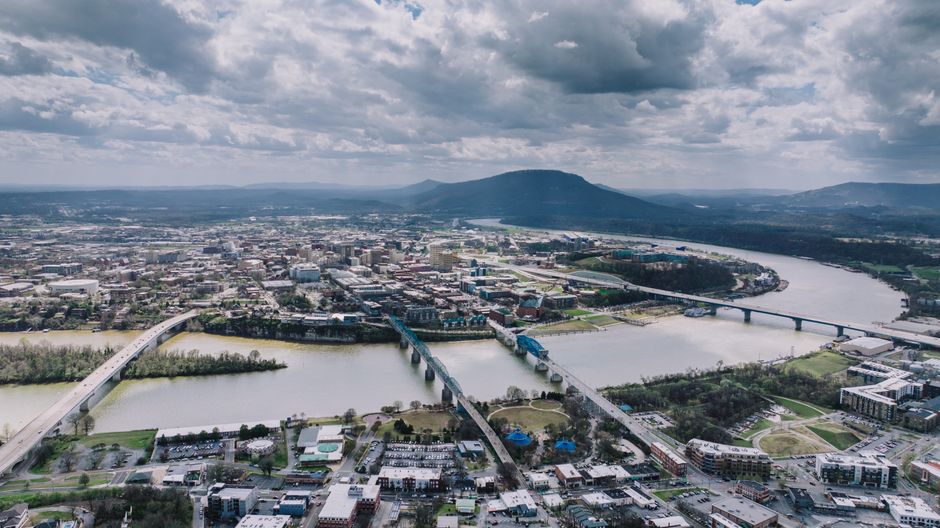
The Rich and Remarkable History of Chattanooga, TN
Chattanooga, Tennessee, is a city whose story unfolds along the winding banks of the Tennessee River and the foot of Lookout Mountain. Known today for its vibrant culture and scenic beauty, Chattanooga’s history is a tapestry woven from Native American heritage, Civil War struggles, industrial innovation, and remarkable urban transformation. This article explores the history of Chattanooga TN, tracing its journey from ancient times to its present-day revival.
Ancient Beginnings: Native American Roots
The area now known as Chattanooga has been inhabited for thousands of years. Archaeological evidence points to continuous human presence since the Upper Paleolithic period. One of the most significant early sites is the Chickamauga Mound, dating to around 750 CE, which stands as the oldest remaining art in the region.
For centuries, the land was home to various Indigenous peoples, including the Muscogee (Creek) and, later, the Cherokee. The fertile riverbanks made the area a hub for trade, agriculture, and travel. By the early 19th century, the Cherokee had established several settlements, the most notable being Ross’s Landing, founded in 1816 by Chief John Ross. This riverside trading post became a focal point for commerce and diplomacy in the region.
Ross’s Landing and the Trail of Tears
Ross’s Landing was not only a commercial center but also a symbol of Cherokee resilience. However, the 1830s brought profound upheaval. Under pressure from expanding European-American settlement and federal policy, the Cherokee were forced to cede their land. In 1838, thousands of Cherokee were removed westward along the harrowing Trail of Tears. Ross’s Landing became one of the main departure points for this forced migration, marking a somber chapter in Chattanooga’s past.
Incorporation and Early Growth
After the Cherokee removal, settlers moved quickly to establish a permanent town. In 1839, Ross’s Landing was incorporated as Chattanooga, a name derived from a Creek word meaning “rock coming to a point”—a reference to the area’s dramatic geological features, especially Lookout Mountain.
The new town grew rapidly, thanks in part to its strategic location along the Tennessee River, which made it a vital port for river commerce. The arrival of the Western and Atlantic Railroad in 1850 transformed Chattanooga into a key transportation and trading hub. By 1860, multiple rail lines converged in the city, linking it to major markets and setting the stage for its pivotal role in the Civil War.
Chattanooga in the Civil War
Chattanooga’s importance as a transportation crossroads made it a strategic prize during the American Civil War. Both Union and Confederate forces recognized the city’s value, and it became the site of several major battles in 1863. The Battles for Chattanooga—particularly the Battle of Lookout Mountain (often called the “Battle Above the Clouds”) and the Battle of Missionary Ridge—were turning points in the war’s western theater.
- Battle of Chickamauga: Fought just south of the city, this was one of the war’s bloodiest battles and a Confederate victory.
- Siege and Battles for Chattanooga: Union forces, after being besieged in the city, broke through Confederate lines in a series of dramatic assaults, securing Chattanooga for the North and opening the gateway to the Deep South.
The city’s railroads and river access made it a vital supply base for Union campaigns, and its capture helped hasten the Confederacy’s defeat.
Industrial Boom and Urban Challenges
After the war, Chattanooga leveraged its transportation network and abundant natural resources to become one of the South’s leading industrial centers. Iron and steel production, foundries, and manufacturing flourished. The city’s growth was so rapid that it earned the nickname “Dynamo of Dixie.”
However, this industrial boom brought challenges. In 1867, the largest flood in Chattanooga’s history inundated the city, cresting at 58 feet and prompting efforts to control the Tennessee River’s flow. Later, the Tennessee Valley Authority (TVA) would build a system of dams and reservoirs to prevent such disasters and provide hydroelectric power.
By the mid-20th century, Chattanooga’s unchecked industrialization led to severe air and water pollution. In the 1960s, the city was labeled one of America’s most polluted cities, spurring a community-wide effort to clean up and revitalize the urban environment.
Modern Transformation: From “Dirtiest City” to “Gig City”
Chattanooga’s environmental turnaround is often cited as a model for urban renewal. Over the past few decades, city leaders, businesses, and residents have worked together to restore the riverfront, improve air quality, and invest in green spaces. The results are visible today in attractions like the Tennessee Aquarium, revitalized downtown districts, and a thriving arts scene.
In the 21st century, Chattanooga has also become a leader in technology infrastructure. In 2010, the city launched the first municipally owned gigabit-speed internet network in the Western Hemisphere, earning it the nickname “Gig City.” This innovation has attracted startups and tech companies, diversifying the local economy beyond its industrial roots.
Key Historical Landmarks and Cultural Sites
- Chickamauga and Chattanooga National Military Park: Preserves battlefields and commemorates the city’s Civil War heritage.
- Lookout Mountain: Site of the famous Civil War battle and home to scenic vistas and historic sites.
- Tennessee Valley Railroad Museum: Celebrates the city’s rich railroading history.
- Chattanooga Choo Choo Terminal Station: The historic train station immortalized in the Glenn Miller Orchestra’s hit song “Chattanooga Choo Choo.”
- Moccasin Bend National Archaeological District: Highlights the area’s deep Native American history.
Chattanooga Today: A City Shaped by its Past
Today, Chattanooga is Tennessee’s fourth-largest city and a vibrant urban center known for its outdoor recreation, innovation, and cultural diversity. Its population has continued to grow, reflecting a renewed interest in its scenic and historic neighborhoods.
The city’s journey—from ancient settlement to trading post, from battleground to industrial hub, and from environmental crisis to modern renaissance—demonstrates a resilience and adaptability that continues to define Chattanooga’s character.
Conclusion: Exploring Chattanooga’s Living History
The history of Chattanooga TN is not just a chronicle of events but a living legacy evident in its landscapes, neighborhoods, and community spirit. To truly appreciate the city, visitors and residents alike are encouraged to explore its museums, historical parks, and vibrant riverfront. Whether you’re interested in Native American history, Civil War battles, or stories of innovation and renewal, Chattanooga offers a wealth of experiences for every history enthusiast.
Next step: Plan a visit to one of Chattanooga’s historic sites or delve into local archives to uncover even more stories from this remarkable city.
Photo by K on Pexels
Discover more from City Towner
Subscribe to get the latest posts sent to your email.