
History of Santa Clarita California
Long before Santa Clarita became a modern city with master planned neighborhoods and freeway interchanges, the region was defined by its dramatic geography. Rolling hills open into broad valleys, and steep canyons carve corridors that guide both wildlife and human travel. Seasonal streams and the Santa Clara River system formed the lifeblood of the area, supporting plant and animal communities that made long term settlement possible. The climate, with hot summers and mild winters, encouraged seasonal movement, careful resource management, and deep knowledge of the land’s cycles.
Indigenous peoples lived throughout this region for thousands of years, developing trade routes and cultural ties that connected the interior valleys to the coast and the broader network of Southern California communities. Daily life revolved around hunting, gathering, and managing resources such as acorns, seeds, and game. The landscape was not a blank wilderness. It was a lived in homeland with names, stories, and systems of knowledge that guided where people traveled, built, and gathered.
The Spanish Era and the Arrival of New Power
The late 1700s brought Spanish expansion into California, and with it came a new set of institutions that changed the region’s human story. Missions, presidios, and colonial settlements reshaped Indigenous life through conversion campaigns, forced labor, and sweeping cultural disruption. While the Santa Clarita Valley was not the site of a major mission complex like some coastal locations, it was connected to mission activity through ranching operations and the broader colonial footprint that reached inland.
Land use began to shift as Spain’s colonial economy emphasized livestock, agriculture, and control of territory. Paths that had been used for generations were folded into new travel corridors for horses, cattle drives, and supply movements. For Indigenous communities, the pressure of disease, displacement, and mission related demands created long lasting upheaval. These changes are an essential part of Santa Clarita’s deeper history, even when later city building stories focus mostly on railroads, ranches, and suburban growth.
Rancho California and the Rise of Cattle Culture
After Mexico gained independence from Spain in 1821, California entered a new political era that shaped land ownership in powerful ways. Large land grants created the rancho system, and the valleys and foothills that now form Santa Clarita became part of expansive ranching landscapes. Cattle and horses dominated the economy, with hides and tallow playing major roles in trade. Ranch life created a distinctive cultural world with its own rhythms, social customs, and economic priorities.
The rancho era turned broad stretches of land into privately controlled domains. Ranch houses, corrals, and grazing routes transformed the region, and local place identity began to form around ranch names, family holdings, and the practical reality of moving livestock across open country. The rancho system also left a legacy of property boundaries and cultural memory that continued long after California changed governments again.
American Control, New Markets, and the Push West
The mid 1800s brought another major shift as California transitioned into the United States after the Mexican American War. The Gold Rush era transformed the state almost overnight, driving migration, investment, and infrastructure growth. Even though the Santa Clarita Valley was not a mining center, it became part of a larger economic system hungry for food, materials, and transportation routes.
As American settlement expanded, land ownership patterns changed, legal disputes multiplied, and new farming and ranching operations took shape. The region’s role as a corridor between Los Angeles and interior California increased. This was a place where people moved through, hauled goods, and gradually built permanent communities around key economic anchors.
The Railroad Era and the Making of Town Centers
One of the most defining forces in Santa Clarita’s development was the railroad. Rail lines transformed Southern California by shrinking distances and making industrial scale movement of people and goods possible. In the Santa Clarita Valley, rail connections helped create town centers and employment opportunities, drawing workers and businesses into areas that were once mostly ranch land.
Communities that later became part of Santa Clarita gained stronger identities during this period. Stations, depots, and rail related commerce created nodes of activity. Small businesses, housing for workers, and services for travelers began to cluster in predictable ways, shaping early downtown patterns and setting the groundwork for later growth. The railroad did more than move trains. It organized space, influenced where people lived, and connected the valley more tightly to Los Angeles.
Oil, Industry, and the Changing Economy
As the region moved into the late 1800s and early 1900s, the local economy expanded beyond ranching and small scale agriculture. Oil development in nearby areas helped bring new forms of industry and investment, adding another layer to the valley’s identity. Industrial work offered wages and attracted labor, while new technologies and extraction practices reshaped sections of the landscape.
Industry and transportation reinforced each other. As roads improved and rail remained important, Santa Clarita’s position as a strategic corridor became even more valuable. The valley could support both local production and broader regional distribution, a pattern that would continue into the modern era as business parks, studios, and logistics centers arrived.
Small Town Life in a Growing Southern California
For much of the early to mid 1900s, the communities of the Santa Clarita Valley maintained a smaller town feel even as Los Angeles grew rapidly to the south. Families built lives around schools, churches, local businesses, and the routines of work tied to rail, ranching, and emerging industries. Neighborhoods grew gradually, and the rhythm of life could still feel connected to open space and the surrounding hills.
This period also brought greater civic organization. Local leaders debated services, land use, and the balance between growth and preserving a more rural character. Even then, the future pressures were visible. Southern California’s population was climbing, and the valley’s open land would eventually become a major target for housing development.
Freeways, Suburbs, and the Postwar Boom
After World War II, the entire region experienced explosive growth. Veterans returned, families expanded, and housing demand surged. The freeway system reshaped how people lived, allowing large numbers of residents to commute between suburbs and job centers. For the Santa Clarita Valley, improved road connections made it increasingly practical to live farther from central Los Angeles while still accessing the wider economy.
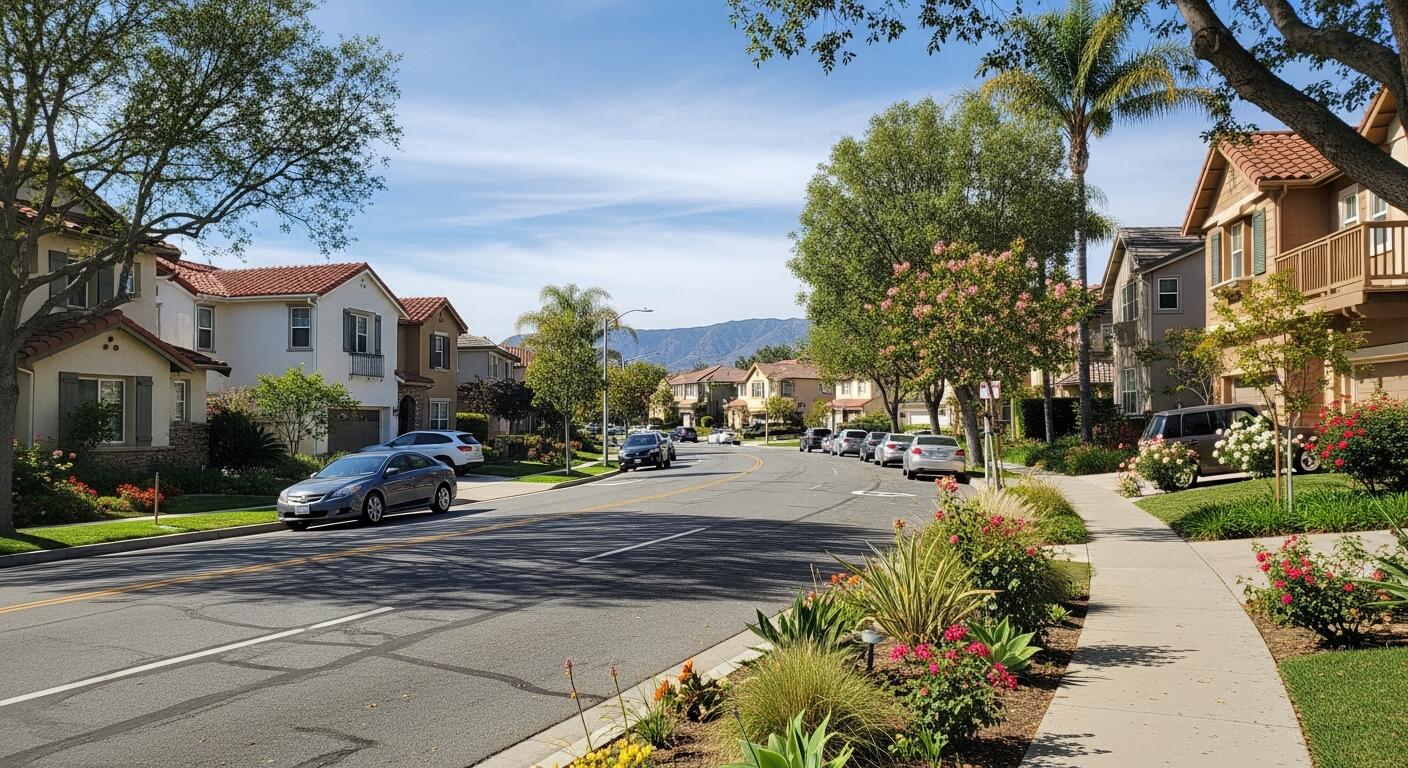
Suburban development accelerated in the 1960s and 1970s, with master planned communities, shopping centers, and new schools arriving to serve a growing population. Open ranch land transformed into neighborhoods with curving streets, parks, and commercial corridors. This was not simply a population increase. It was a reimagining of the valley’s purpose, from production landscapes to residential life on a large scale.
The Creation of Santa Clarita and a New Civic Identity
Santa Clarita as an incorporated city is relatively young compared to the deep history of the land itself. The city incorporated on December 15, 1987, bringing several distinct communities into a single municipal framework. This move reflected a desire for stronger local control over planning, services, and community identity during a time when growth pressures were intense.
Incorporation created new opportunities and new challenges. City government had to unify priorities across neighborhoods that had developed with their own traditions and expectations. Decisions about zoning, transportation, public safety, and parks took on new importance. Santa Clarita’s leaders faced a question familiar to many fast growing places: how to manage growth while maintaining livability, protecting open space, and building an identity that felt coherent.
Culture, Entertainment, and Regional Recognition
As Santa Clarita expanded, it became known not only as a bedroom community but also as a place with its own cultural and entertainment footprint. The region’s landscapes, with dramatic hills and wide valley views, attracted film and television production, continuing a broader Southern California tradition of using diverse terrains as backdrops. Entertainment related activity brought jobs and helped shape the city’s public image.
At the same time, civic investment in trails, parks, and community events strengthened local pride. Santa Clarita cultivated a reputation for family oriented amenities, recreational space, and a strong sense of neighborhood organization. The city’s identity became linked to outdoor living, with biking paths, hiking routes, and community sports woven into daily life.
Growth, Planning, and the Modern Santa Clarita Character
In recent decades, Santa Clarita has continued to evolve as part of a larger metropolitan region. Housing development, business growth, and infrastructure expansion have remained central themes. The city’s planning choices have often emphasized a balance between new construction and the protection of hillsides, river corridors, and open space that define the area’s distinctive look.
Santa Clarita’s modern character is shaped by a blend of histories. There is the deep time story of Indigenous presence and the land’s natural systems. There is the colonial and rancho era story of power, land transformation, and cultural change. There is the railroad and industrial story that connected the valley to regional markets. And there is the suburban story that turned open land into one of Southern California’s best known modern cities.
The result is a place that continues to negotiate its relationship with growth. Santa Clarita’s history is not a straight line from rural to urban. It is a layered narrative of movement, reinvention, and the constant influence of geography. The canyons and hills that once guided ancient paths still guide where neighborhoods rise and where open space remains. The river corridor still reminds residents that nature sets limits and offers gifts. And the city’s relatively recent incorporation highlights how quickly a community can form a shared identity when residents choose to shape their own future.
Discover more from City Towner
Subscribe to get the latest posts sent to your email.