
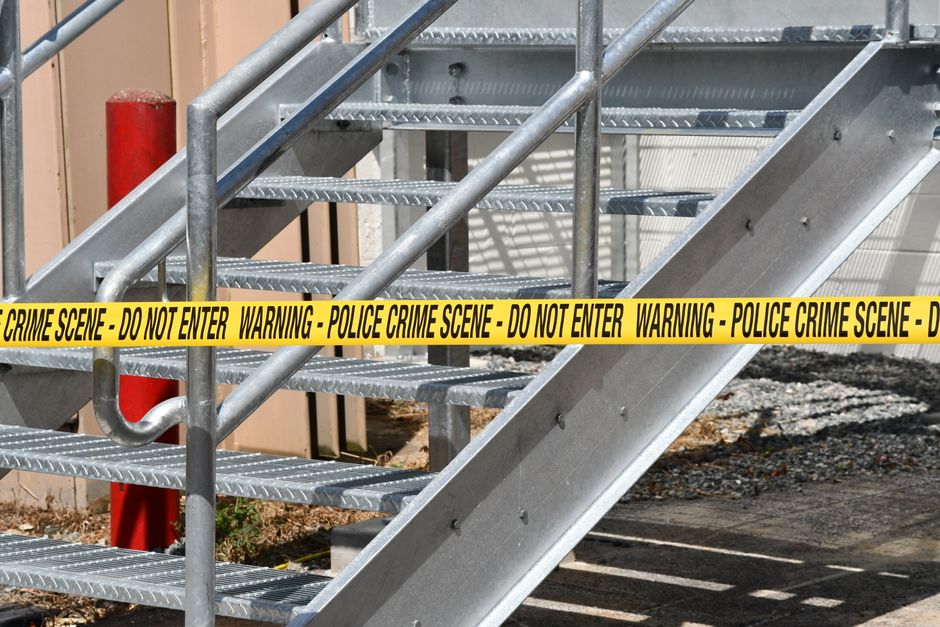
The Unsolved Murder of Anthony Lamont Graham: Baltimore, MD, October 11, 2016
On October 11, 2016, Anthony Lamont Graham, a 31-year-old man, lost his life in Baltimore, Maryland. His death was classified as a homicide, and despite the passage of years, the case remains unsolved. The story of Anthony Graham’s murder is not just a personal tragedy; it is emblematic of the persistent challenges facing Baltimore and many American cities in addressing violent crime and delivering justice for victims and their families.
The Life and Death of Anthony Lamont Graham
Anthony Lamont Graham was a resident of the Southeast Washington, D.C. area, but on that fateful day in October 2016, he was found dead in Baltimore. The specifics surrounding his death are murky, with sources reporting conflicting details about the nature of the homicide. What is certain is that Graham, at the age of 31, became yet another victim of urban violence in a city that has struggled with high homicide rates for decades.
Timeline of Events: October 11, 2016
- On October 11, 2016, at around 2 p.m., Anthony Graham was found dead in Baltimore, MD.
- Initial reports indicated the cause of death was a shooting, but some records suggest he may have been stabbed.
- The location of the incident is generally referenced at the block level, with no precise street address publicly available.
- Law enforcement classified the case as a homicide by force, but details regarding suspects, motives, or witnesses remain undisclosed.
Baltimore’s Ongoing Struggle with Violent Crime
Baltimore has long been known for its struggles with violent crime, particularly homicides. The years leading up to and following 2016 saw a troubling rise in murders, with many cases remaining unsolved. The city’s homicide clearance rate has often lagged behind national averages, leaving families without answers and communities in fear.
Several factors contribute to this persistent problem:
- Socioeconomic Disparities: Baltimore faces significant challenges related to poverty, unemployment, and lack of opportunity, all of which can fuel cycles of violence.
- Community-Police Relations: Trust between law enforcement and residents has been strained, particularly after high-profile incidents such as the death of Freddie Gray in 2015. This mistrust can hamper investigations, as witnesses may be reluctant to come forward.
- Resource Constraints: The Baltimore Police Department, like many urban forces, often operates with limited resources, affecting their ability to investigate and solve complex homicide cases.
The Broader Context: Urban Homicides and Unsolved Cases
Anthony Graham’s murder did not happen in a vacuum. In 2016, Baltimore recorded over 300 homicides, a figure that placed the city among the most violent in the United States per capita. Many of these cases, like Graham’s, remain unsolved, contributing to a sense of injustice and frustration among residents.
Unsolved homicides are not unique to Baltimore, but the city’s challenges are acute. Factors such as witness intimidation, lack of forensic evidence, and the sheer volume of cases can make it difficult for detectives to bring perpetrators to justice.
Impact on Families and Communities
The impact of an unsolved murder extends far beyond the immediate victim. Families are left in limbo, unable to find closure or peace. Communities become more fearful and distrustful, and the cycle of violence can perpetuate as offenders remain at large.
Challenges in the Investigation
The investigation into Anthony Graham’s death illustrates many of the obstacles facing homicide detectives in Baltimore:
- Lack of Witness Cooperation: Fear of retaliation or mistrust of police can prevent witnesses from coming forward.
- Limited Physical Evidence: In many urban homicides, forensic evidence is scarce or compromised.
- Conflicting Reports: As seen in Graham’s case, initial reports may conflict, complicating efforts to establish a clear narrative.
- Resource Allocation: High caseloads mean detectives must prioritize cases, and some may receive less attention as time passes.
Law Enforcement Response
The Baltimore Police Department continues to review and investigate unsolved homicides, including that of Anthony Graham. Detectives often appeal to the public for information, emphasizing the importance of community cooperation in solving these cases. In some instances, reward funds are established to encourage tips, though it is unclear if such a fund exists for Graham’s case.
The Ripple Effects of Unsolved Homicides
Unsolved murders like that of Anthony Graham have a profound effect on Baltimore’s social fabric. They can erode public confidence in law enforcement and the justice system, making it harder to build the partnerships necessary for effective crime prevention and resolution.
For families, the lack of closure can be devastating. Questions linger for years, hope for answers fades, and the pain of loss is compounded by the absence of justice. For the city, each unsolved case is a reminder of the work that remains to be done to ensure safety and accountability.
Remembering Anthony Lamont Graham
While the details of Anthony Graham’s life and the circumstances of his death remain largely private, it is important to remember that he was more than a statistic. He was a son, perhaps a father, a friend, and a member of his community. Every homicide victim leaves behind a void, and every unsolved case is a call to action for those seeking justice and change.
Unsolved Homicides in Baltimore: A Continuing Challenge
The case of Anthony Lamont Graham is one among many in Baltimore’s long list of unsolved homicides. The city’s law enforcement agencies continue to face significant challenges:
- High Volume of Cases: With hundreds of homicides each year, detectives are often stretched thin.
- Community Fear: Witnesses may be unwilling to speak out due to fear of reprisal.
- Resource Limitations: Budget constraints can affect the ability to process evidence and follow up on leads.
Despite these obstacles, there are ongoing efforts to improve homicide clearance rates. Community outreach, investment in forensic technology, and initiatives designed to build trust between police and residents are all part of the strategy to address unsolved violent crimes.
How the Public Can Help
- Anyone with information about the murder of Anthony Lamont Graham is encouraged to contact the Baltimore Police Department’s Homicide Unit.
- Anonymous tips can often be submitted through Crime Stoppers or similar programs.
- Community involvement is critical: even small details can help investigators piece together what happened.
Conclusion: Seeking Justice for Anthony Lamont Graham
The murder of Anthony Lamont Graham on October 11, 2016, is a stark reminder of the ongoing struggle against violent crime in Baltimore. His case remains unsolved, emblematic of the broader challenges facing the city and its residents. While law enforcement continues to seek answers, the responsibility for justice is shared by the entire community.
If you have any information about this case or others like it, consider reaching out to local authorities or anonymous tip lines. Every piece of information can make a difference in bringing closure to families and making Baltimore a safer place for all.
For more information on unsolved homicides in Baltimore and how you can help, visit the official Baltimore Police Department or Crime Stoppers websites.
Photo by Siobhan Howerton on Pexels
Discover more from City Towner
Subscribe to get the latest posts sent to your email.