The Murder of Brittany Stykes in Brown County Ohio
On August 28, 2013, a brutal killing in Brown County, Ohio, shocked a small community and left a family carrying grief that has lasted for years. Brittany Stykes, a 22 year old pregnant mother, was killed in a shooting near Gooselick Road along U.S. 68, close to Georgetown, Ohio. Her young daughter, Aubree, was also shot and seriously injured, but she survived.
The case quickly became one of the most haunting unsolved murders in the region. It was the kind of crime that shattered any sense of routine safety in a rural area where people often know each other and roads are familiar. For many in Brown County, the killing was not only a homicide investigation. It became a lasting wound that touched parents, neighbors, law enforcement, and anyone who followed the story.
What happened that day still raises painful questions. A young mother was on the road, a child was in the vehicle, and by the end of the evening a family was living through a nightmare that has never fully ended. The case remains a reminder that some crimes do not fade with time, especially when justice has not yet arrived.
Brittany Stykes and the Life She Was Living
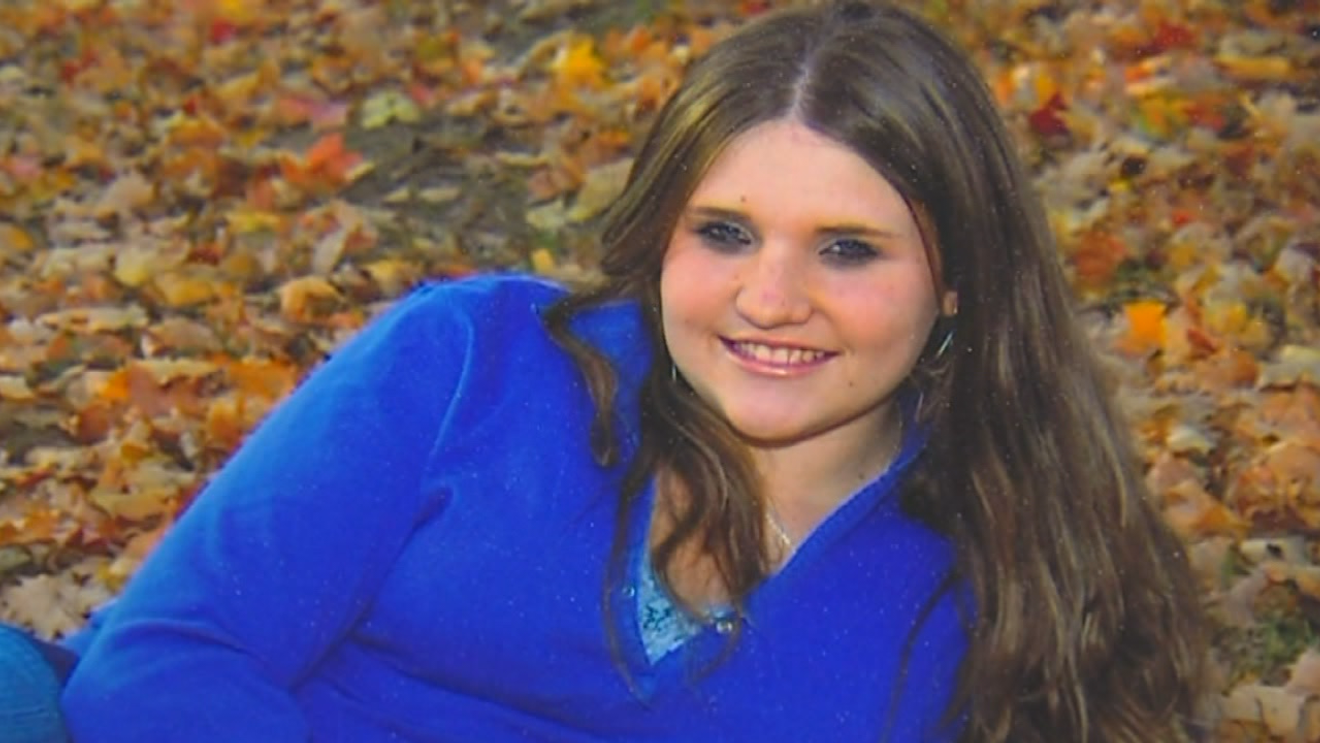
Brittany Stykes was a young woman whose life was centered around family. She was pregnant at the time of her death and was also raising her toddler daughter, Aubree. Those facts alone have shaped how the public remembers the case because the violence did not take only one life. It devastated multiple generations in a single moment and forever changed the future that Brittany and her family expected.
People who have spoken publicly about Brittany over the years have described her as caring and deeply connected to her loved ones. That image matters because behind every headline is a person who had routines, relationships, plans, and responsibilities. Brittany was not just a name in an investigation. She was a daughter, a mother, and a woman whose life was still unfolding.
Her family has continued to speak about her with love and heartbreak. Their memories have helped keep the case visible and human in the public eye. In many unsolved cases, the passage of time can make details feel distant. In Brittany’s case, her family’s voice has kept the reality of the loss immediate and personal.
What Happened on August 28, 2013
On August 28, 2013, Brittany Stykes was in her Jeep on U.S. 68 in Brown County near Gooselick Road when she was shot and killed. Her daughter Aubree, who was in the vehicle, was also shot and critically injured but survived. The attack was sudden, violent, and devastating in its outcome.
The image of a vehicle on a roadway and a mother and child caught in gunfire became one of the most painful details in the case. It was not a crime hidden indoors or discovered much later. It was an attack that unfolded in a way that felt especially alarming because it happened during travel on a public road. That fact added to the fear and disbelief felt in the community.
Brittany was found dead in her Jeep. Her daughter’s survival, despite severe injury, was described by many as miraculous. While Aubree’s survival brought a measure of hope in a terrible situation, it did not lessen the enormity of what happened. A family was forced to grieve Brittany while also fighting for Aubree’s recovery.
The contrast between loss and survival has remained at the center of the story ever since. It is one reason the case continues to resonate so strongly. The same event that took a mother’s life also left a child alive to grow up with the absence of that mother.
Where the Crime Happened and Why the Location Matters
The murder occurred in Brown County, Ohio, near Georgetown, along U.S. 68 south of Gooselick Road. That location has been mentioned repeatedly in coverage and public discussions because it anchors the case in a real landscape that local people know well. It is not just a point on a map. It is a place tied to memory, grief, and unanswered questions.
Rural and semi rural roads can create difficult investigative conditions. Fewer witnesses, less traffic at certain times, and limited immediate surveillance can complicate efforts to quickly reconstruct events. In a case like this, location matters not only for understanding what happened but also for understanding why the case may have remained unsolved for so long.
For the community, the road itself became a symbol of the tragedy. It is a physical reminder of the day Brittany was killed and Aubree was injured. When memorials, vigils, or anniversaries are observed, the location often becomes part of the emotional experience because it connects the story to a place people can stand, see, and remember.
That kind of place based memory is powerful. It turns an investigation into a community burden and a community promise, especially when people continue to hope that someone will come forward with information.
The Immediate Impact on Family and Community
The murder of Brittany Stykes sent shockwaves through her family and the broader Brown County area. Any homicide is traumatic, but this case carried a level of horror that was especially difficult for people to process because Brittany was pregnant and her toddler daughter was also shot. The grief was immediate and layered.
Family members had to endure the unthinkable reality of losing Brittany while also focusing on Aubree’s condition and recovery. In situations like this, mourning does not happen in a straight line. It unfolds alongside medical updates, police questions, funeral arrangements, and the painful task of explaining loss to relatives and friends.
For the local community, the case became one of those tragedies that people remember exactly where they were when they heard the news. Small communities often carry these events collectively. Even people who did not know Brittany personally can feel the weight of such a crime because it violates a sense of shared safety and familiarity.
Over time, that first shock becomes something else. It becomes annual remembrance, renewed calls for justice, and ongoing frustration when no arrest is made. The community’s response has shown how deeply this case remains embedded in local memory.
Aubree’s Survival and the Long Shadow of Trauma
One of the most heartbreaking and remarkable parts of this case is that Aubree survived. She was very young at the time and suffered a severe gunshot injury. Her survival has been viewed as extraordinary, but it also represents the long shadow of trauma that violent crime leaves behind.
Survival in a case like this does not mean the event is over. It means a different struggle begins. Families must navigate medical care, recovery, emotional healing, and the lifelong reality that a child survived an attack that killed her mother. In public discussions, Aubree’s story is often spoken about with a mixture of gratitude, sorrow, and determination.
As years pass, the meaning of survival changes. A child grows older. Questions grow more complex. Family members who have been waiting for answers face the reality that the need for justice does not fade just because time has passed. In many ways, it becomes more urgent because the surviving child grows into a person who will want the truth.
That is one reason the case continues to draw attention. It is not only about what happened in 2013. It is also about what happens after a violent crime when a family must build a future around loss, resilience, and unanswered questions.
The Investigation and the Pain of an Unsolved Case
The killing of Brittany Stykes has remained unsolved for years, and that fact has kept the case in the public conversation. Law enforcement has continued to investigate, and the case has seen ongoing public appeals for information. A reward has also been offered for information leading to a conviction.
Unsolved cases create a different kind of pain than cases that end in arrest and trial. There is grief, but there is also uncertainty. Families are left without courtroom testimony, without a verdict, and without the formal accountability that can help answer at least some of the questions surrounding a loved one’s death.
In Brittany’s case, the continued public attention reflects both the seriousness of the crime and the persistence of those closest to her. Family members and supporters have worked to keep her name visible, not only to honor her memory but to push for progress. Their public efforts show how families in unsolved cases often become advocates as well as mourners.
The passage of time can make investigations harder, but it can also bring renewed interest, fresh reviews of evidence, and new tips. Cases have been solved after many years when someone finally speaks, a detail is reexamined, or investigators connect information in a new way. That possibility is part of what keeps hope alive.
Why the Brittany Stykes Case Still Matters
The murder of Brittany Stykes remains one of the most painful unsolved cases in Brown County because it combines personal tragedy, public violence, and lasting uncertainty. A young pregnant mother was killed. A child survived a gunshot wound. A family was left searching for justice. Those facts alone ensure the case will not be forgotten.
It also matters because unsolved cases challenge communities to decide what remembrance looks like over time. Some stories disappear from public discussion, but others remain active because families and local residents refuse to let them fade. Brittany’s case is one of those stories. It continues to be remembered not only because of the crime itself, but because of the determination of those who still want answers.
Cases like this also remind the public that justice is not only about arrests and convictions. It is also about preserving memory, supporting survivors, and refusing to treat unresolved violence as normal. Every renewed conversation, every vigil, and every public mention can help keep pressure on the possibility that someone with information may come forward.
Brittany Stykes’s name continues to carry grief, love, and a demand for truth. The road near Gooselick Road in Brown County is not just the place where a murder happened on August 28, 2013. It is also the place where a community’s search for answers began and where that search still continues.
Memory, Grief, and the Search for Justice
More than a decade later, the murder of Brittany Stykes still stands as a deeply emotional case for her family and for many people in southern Ohio. Time has passed, but the core reality has not changed. A young mother was taken, a child survived a terrible attack, and the person responsible has not been held accountable in court.
That kind of unresolved pain shapes families for years. Birthdays, holidays, and anniversaries can become reminders of what was lost and what remains unknown. Grief does not stay still. It changes form, but it stays present. In cases like this, the search for justice becomes part of the way families continue loving the person they lost.
Brittany’s story remains important because it reflects both tragedy and endurance. It is a story of violence, but also of survival, remembrance, and determination. The continued attention to her case speaks to the hope that even after many years, answers are still possible.
Until that day comes, the murder of Brittany Stykes on August 28, 2013, near Gooselick Road in Brown County, Ohio, remains not only an open case but a deeply personal and community wide call for truth.
Discover more from City Towner
Subscribe to get the latest posts sent to your email.