
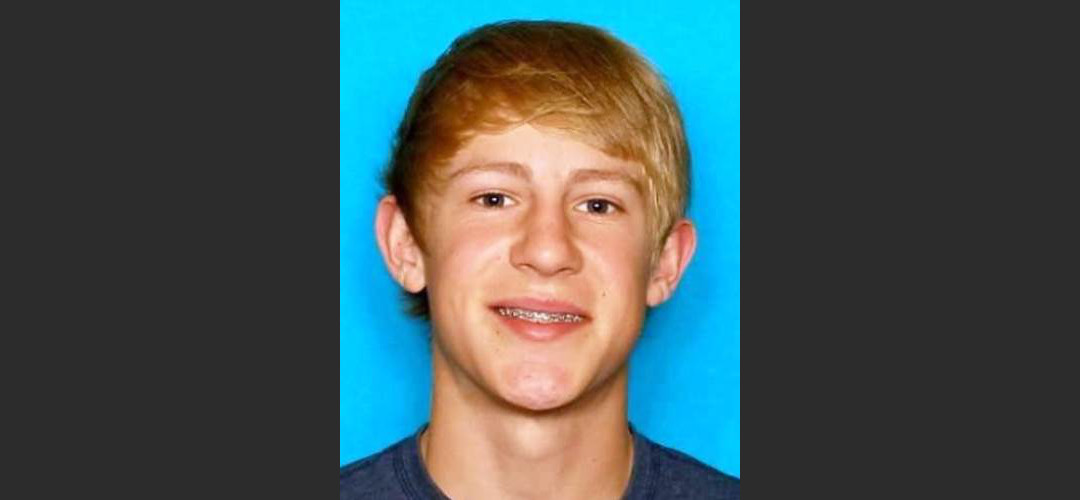
Caleb Diehl Borrows His Boss Car Then Goes Missing in Nocona Texas
Caleb Ray Diehl was an 18 year old high school senior who disappeared from Nocona, Texas, on March 30, 2015. He left his mother’s home that afternoon while driving a borrowed pickup truck and was never seen by his family again. The truck later reappeared inside the business of a longtime family friend, but Caleb was nowhere nearby.
What began as a missing teenager investigation gradually developed into a disturbing case involving sexual exploitation, destroyed evidence and unanswered questions about the final signal from Caleb’s cellphone. Years after he vanished, federal investigators proved that the man who owned the truck had sexually abused Caleb when he was a minor.
That man, Ricky Dale Howard, ultimately pleaded guilty to sexually exploiting Caleb and received a 30 year federal prison sentence. Prosecutors publicly described him as a person of interest in Caleb’s disappearance. However, Howard has never been charged with kidnapping, killing or concealing Caleb.
Caleb’s remains have never been recovered. No confirmed sighting has placed him anywhere after March 30, 2015, and his disappearance remains unsolved.
Caleb’s Life Before He Disappeared
Caleb was born on March 15, 1997. He was 18 years old when he vanished, having celebrated his birthday only about two weeks earlier.
He was a high school senior who lived primarily with his older sister in Grapevine, Texas. He also spent time with his mother in Nocona, a small community in Montague County.
Caleb had four older siblings and was described as adventurous and close to his family. He reportedly talked about moving to California or Colorado after graduation and beginning the next phase of his life.
He stood approximately 5 feet 11 inches to 6 feet 2 inches tall and weighed about 145 pounds. He had blond hair and blue eyes. He had previously worn braces, although they had been removed before he disappeared.
Caleb’s family has consistently stated that it was unlike him to disappear voluntarily. He remained connected to his relatives, had educational plans and had not indicated that he intended to abandon his life.
He did not take the belongings or resources that would normally be needed for a planned departure. He never contacted anyone to say he was safe and never returned to school.
Caleb’s Connection to Ricky Howard
Ricky Dale Howard was a longtime family friend who had known Caleb for much of his life. The Diehl and Howard families spent time together, and the relationship was close enough that they reportedly took vacations together.
Howard employed Caleb and other boys to perform work on his properties. Caleb began doing jobs for him while he was still in middle school.
Because of the longstanding relationship, Howard was treated as a trusted adult. Caleb’s family had no reason at the time to believe that Howard was sexually exploiting him.
That trust became one of the most disturbing parts of the case. Evidence discovered years after Caleb disappeared proved that Howard had used his access to Caleb to abuse him and create illegal images.
The abuse occurred while Caleb was a minor, reportedly between the ages of approximately 13 and 15.
At the time Caleb vanished, his family and investigators did not know the full nature of Howard’s conduct. That information emerged only after additional evidence was discovered and computers connected to Howard were examined.
The Afternoon of March 30, 2015
At approximately 5:00 p.m. on March 30, 2015, Caleb left his mother’s home in Nocona.
His personal vehicle was being repaired, so he was driving a pickup truck borrowed from Ricky Howard.
Caleb reportedly told his sister that he intended to spend time with a friend and would return later. There was no indication that he planned to remain away overnight or leave the area permanently.
He did not return that evening.
The following day, Caleb failed to attend school. His family attempted to reach him by telephone, but the calls went directly to voicemail.
His silence immediately appeared unusual. Caleb had not told anyone that he was leaving town, and no relative or friend reported receiving a message explaining his absence.
As concern increased, the family began trying to determine where he had gone and what had happened to the borrowed truck.
The Missing Person Report
Caleb was formally reported missing on April 1, 2015.
His mother contacted Howard because police needed information about the pickup truck Caleb had been driving.
Later that day, Howard reportedly said the truck had suddenly reappeared at his business.
Caleb’s family and police went to Howard’s shop and found the pickup parked inside. The keys had been returned to their ordinary location.
No one could explain who had driven the truck back, when it arrived or why Caleb was not with it.
The unexplained return of the vehicle became one of the central mysteries in the case.
If Caleb returned the truck himself, investigators needed to determine where he went afterward and why he made no contact with anyone.
If someone else returned it, that person may have known what happened to Caleb.
No confirmed witness publicly identified who brought the pickup back to Howard’s property.
The Last Cellphone Signal
Investigators traced Caleb’s final cellphone signal to property associated with Ricky Howard.
After that final signal, the phone stopped transmitting and was never recovered.
Howard reportedly told police that he had found a broken phone on the floor of his shop and thrown it away. Investigators were unable to examine the device or establish whether it was Caleb’s.
The loss of the phone eliminated an important potential source of evidence. The device could have contained call records, messages, photographs, location information and communications from Caleb’s final hours.
Howard’s explanation raised further concerns because the phone disappeared at the same property where the borrowed pickup was found.
Investigators could not determine whether the phone had been damaged accidentally, intentionally destroyed or removed to prevent examination.
Caleb’s family never recovered the device, and no confirmed digital activity later established that Caleb was alive.
The Destruction of Howard’s SIM Card
Investigators also learned that Howard destroyed part of his own cellphone after police became involved.
A former investigator stated that Howard removed his SIM card and cut it into small pieces before authorities could examine it.
A SIM card can contain information connected to telephone service, contacts and communication history. Destroying it prevented investigators from immediately determining what information it might have contained.
The act did not prove that Howard harmed Caleb, but it added to the pattern of missing or destroyed electronic evidence surrounding the disappearance.
Caleb’s cellphone vanished after its final signal came from Howard’s property. Howard claimed he discarded a broken phone. Howard then destroyed his own SIM card.
Those facts became important to investigators, especially after the later discovery that Howard had sexually abused Caleb.
Searches of Howard’s Properties
Police searched several properties connected to Howard.
During one search, officers observed a burn pit containing three burned computer towers. Howard reportedly said the computers had belonged to his deceased parents.
Burned electronic equipment can be extremely difficult to examine. Fire may destroy hard drives, storage devices and records that could otherwise provide digital evidence.
At the time of the searches, investigators had not yet uncovered the full proof of Howard’s abuse of Caleb.
The presence of burned computers was suspicious, but police did not have enough evidence to establish that they contained information connected to Caleb’s disappearance.
No publicly announced search recovered Caleb’s body, clothing or personal belongings.
The early investigation eventually lost momentum as available leads were exhausted and no physical evidence established where Caleb had gone.
A Hidden Discovery Inside the Diehl Home
Approximately two years after Caleb disappeared, his mother made an unexpected discovery while cleaning a cabinet above the bathtub in her home.
Inside a plastic bag, she found a clock radio containing a hidden camera, handwritten polygraph questions and a small tape recorder.
The tape contained a man practicing questions about sexual interest in underage boys.
Investigators and prosecutors later determined that the handwriting belonged to Howard and that the voice on the recording was his.
The materials appeared to be connected to polygraph examinations Howard had faced during sex offender treatment.
Caleb’s mother believed her son may have collected or hidden the items because he intended to expose Howard. That possibility has never been proven, but the discovery suggested Caleb may have possessed evidence concerning Howard’s conduct.
The finding caused authorities to take a renewed look at Howard and his relationship with Caleb.
Earlier Allegations Against Howard
Howard had faced allegations involving teenage boys years before Caleb disappeared.
During an earlier federal investigation into bank fraud, several young men reportedly accused Howard of sexually assaulting them when they were teenagers.
Howard was prosecuted for financial crimes rather than those alleged assaults.
As part of his supervised release, he was ordered to participate in sex offender treatment and undergo polygraph examinations.
The recorded questions found in the Diehl home appeared to involve Howard practicing for those tests.
This history gave investigators additional reason to examine his computers and determine whether he possessed illegal material involving minors.
The later forensic examination produced direct evidence involving Caleb.
Evidence Found on Howard’s Computers
Investigators eventually obtained computers that had belonged to Howard and submitted them for forensic analysis.
Analysts discovered hundreds of child sexual abuse images.
Some of the images showed Howard sexually exploiting Caleb while Caleb was still a minor.
Caleb’s relatives and people familiar with Howard identified Caleb in redacted versions of the images.
The evidence transformed what had previously been suspicion into a proven federal crime.
Howard had not merely behaved inappropriately around Caleb. He had enticed and sexually exploited him and documented the abuse.
This discovery provided a possible reason Caleb may have feared Howard, wanted to expose him or faced pressure before his disappearance.
However, the evidence did not reveal what happened on March 30, 2015.
The Federal Criminal Case
Howard was charged in federal court with sexual exploitation of a minor.
His first trial ended in a mistrial after a juror was injured and could not continue.
Howard later pleaded guilty to one count of sexually exploiting Caleb.
He admitted that he enticed Caleb, while Caleb was underage, to engage in sexually explicit conduct so it could be recorded.
On October 27, 2021, a federal judge sentenced Howard to 30 years in prison, the statutory maximum for the offense.
More than 40 additional federal and state charges were dismissed as part of the plea agreement.
The conviction established that Howard abused Caleb and created illegal images. It did not establish that he killed Caleb or caused him to disappear.
Federal prosecutors described Howard as a person of interest in Caleb’s disappearance, but they did not charge him with homicide, kidnapping or evidence concealment related to the missing person case.
What Is Proven
Several important facts have been established.
Caleb disappeared on March 30, 2015, after leaving his mother’s home in a pickup borrowed from Howard.
The pickup later appeared inside Howard’s business without any confirmed explanation for who returned it.
Caleb’s final cellphone signal came from property connected to Howard.
The phone disappeared, and Howard said he threw away a broken device found at his shop.
Howard destroyed his own SIM card after investigators became involved.
Burned computer towers were discovered on one of his properties.
Most importantly, Howard sexually exploited Caleb when Caleb was a minor and created illegal images of that abuse.
Howard admitted the sexual exploitation in federal court and was sentenced to 30 years in prison.
What Has Not Been Proven
No public evidence has established that Howard killed Caleb.
He has not been charged with kidnapping Caleb, hiding his body or causing his disappearance.
Caleb’s remains have never been found, and investigators have not announced a confirmed crime scene.
No witness has publicly described seeing Howard attack Caleb or dispose of evidence connected to his death.
No confession has been announced.
The suspicious circumstances make Howard central to the case, but suspicion is not the same as proof.
A homicide prosecution would require evidence showing that Caleb died and connecting a specific person to that death beyond a reasonable doubt.
Without a body, reliable witness, confession or decisive forensic evidence, prosecutors may not have enough to bring charges.
Why Voluntary Disappearance Appears Unlikely
Caleb’s family has rejected the idea that he willingly began a new life.
He did not take possessions, money or personal records needed for a long term departure.
He never contacted relatives or friends.
He did not return to school or attend graduation.
His cellphone and social media activity stopped.
No confirmed financial, medical or employment records have placed him elsewhere.
Caleb was close to his family and had discussed future plans. Although he had talked about eventually moving to another state, he had not indicated that he intended to leave secretly or immediately.
A voluntary departure also does not explain why the borrowed truck reappeared at Howard’s business or why the final cellphone signal came from that property.
The known evidence strongly suggests that Caleb encountered danger or foul play soon after leaving home.
A Possible Connection to the Abuse
The discovery of Howard’s sexual exploitation created a possible motive for silencing Caleb.
Caleb may have been preparing to tell someone about the abuse. He may have collected the hidden recording equipment and polygraph materials as evidence.
He could have threatened to expose Howard or confronted him about what had happened.
Those possibilities would provide a reason for Howard to fear criminal charges, public exposure or the destruction of his reputation.
However, no confirmed evidence shows that Caleb planned to report him immediately before disappearing.
Investigators have not publicly released a message, diary entry or witness statement proving that such a confrontation occurred.
The connection remains a compelling theory, but it is not a legally established fact.
The Pain Carried by Caleb’s Family
Caleb’s family has endured years without knowing whether he is alive or where his remains might be located.
They learned after his disappearance that he had been sexually exploited by someone they trusted.
That discovery added another level of grief. They were forced to confront the possibility that Caleb had suffered in silence for years before he vanished.
His mother’s discovery of the hidden materials suggested that Caleb may have tried to preserve evidence or protect himself.
His relatives have had no funeral, burial or confirmed explanation of his final moments.
Families of missing people live with uncertainty that differs from ordinary grief. They cannot fully mourn, yet the passage of time makes a safe return increasingly difficult to imagine.
Every new search, arrest or development involving Howard has carried the possibility of answers, but no event has revealed Caleb’s location.
The Challenges of a No Body Investigation
A murder case can be prosecuted without recovering a body, but such cases are difficult.
Prosecutors must prove that the missing person is dead rather than living elsewhere voluntarily.
They must also establish who caused the death and how that person was involved.
In Caleb’s case, the suspicious truck return, cellphone signal and evidence destruction may support an argument that something criminal occurred.
However, those facts do not reveal where Caleb was taken, how he died or who was present at the critical moment.
The proven sexual abuse provides a possible motive but does not by itself prove homicide.
Investigators would likely need additional evidence, such as a confession, credible witness, physical remains, blood evidence or reliable information leading to a burial site.
Until that evidence emerges, the disappearance remains open rather than prosecuted as murder.
The Search for New Information
Caleb remains listed as an endangered missing person.
Investigators continue to need information about his movements after leaving his mother’s home, the return of the pickup and the disposal of his cellphone.
Someone may know who drove the truck back to Howard’s business.
A person may have seen activity on Howard’s property during the critical period or noticed unusual travel, digging, burning or cleaning.
Someone may have heard Howard or another person make statements about Caleb after he disappeared.
People who were afraid to speak in 2015 may now feel safer because Howard is serving a lengthy federal prison sentence.
Former employees, friends or relatives may possess information they previously believed was insignificant.
A single verified detail could direct investigators to a location or provide the evidence needed to determine what happened.
Remembering Caleb Beyond the Case
Caleb should not be remembered only as a missing teenager or the victim of sexual exploitation.
He was a son, brother, student and young man preparing to enter adulthood.
He had plans to graduate, travel and possibly move west.
He deserved the opportunity to recover from what Howard had done to him and build a life free from abuse.
The criminal conviction brought accountability for part of Caleb’s story, but it did not answer the question his family has carried since March 30, 2015.
Howard was punished for exploiting Caleb, yet the disappearance remains unresolved.
Justice for Caleb requires more than acknowledging the abuse. It requires finding him and determining who was responsible for taking him from his family.
An Unsolved Disappearance
The disappearance of Caleb Ray Diehl remains one of the most troubling missing person cases in North Texas.
He left his mother’s Nocona home at approximately 5:00 p.m. on March 30, 2015, while driving Ricky Howard’s pickup truck.
Caleb never returned home or attended school the next day.
The pickup later appeared inside Howard’s business with its keys returned to their normal location. No confirmed witness explained how it got there.
Caleb’s last cellphone signal came from Howard’s property. The phone was never recovered.
Howard destroyed his own SIM card, and burned computers were discovered on one of his properties.
Years later, investigators proved that Howard had sexually exploited Caleb as a minor. He pleaded guilty and received a 30 year prison sentence.
Those facts create a deeply suspicious picture, but they do not reveal Caleb’s location or legally establish who caused his disappearance.
No remains have been recovered, no murder charge has been filed and Caleb’s family continues to wait.
Someone may still know what happened after Caleb left home. Until that person speaks or physical evidence is discovered, the disappearance of Caleb Ray Diehl will remain unresolved.
Caleb deserves to be found. His family deserves the truth, and anyone responsible for his disappearance should be held accountable.
Discover more from City Towner
Subscribe to get the latest posts sent to your email.