
25 Fun Facts About Chesapeake Virginia
Chesapeake, Virginia is one of those places that surprises people the first time they really look at it. On a map it can seem like just another city in the Hampton Roads region, but in daily life it feels like several worlds living side by side. There are busy commercial corridors with commuters, suburban neighborhoods built around schools and parks, and wide stretches of rural land where you can drive for a while and still see farms, canals, and long tree lines. That mix gives Chesapeake a personality that is both modern and rooted.
The city’s size is part of what makes it interesting. Chesapeake covers a large area, so its identity is not concentrated in one downtown that tells the whole story. Instead it is a patchwork of communities, each with its own rhythm. Some areas feel closely tied to nearby cities like Norfolk and Virginia Beach, while other areas feel distinctly independent, with a slower pace and a more outdoors oriented lifestyle. This variety makes Chesapeake feel like a place you can grow into over time, finding new corners and new routines as you explore.
Where Water and Land Shape Everyday Life
Chesapeake is defined by geography in a way that locals feel daily. Water is not just scenery, it is part of the city’s logic. Canals, rivers, and wetlands influence where people live, where they travel, and how the landscape looks from season to season. The city’s relationship with water also shapes recreation, from fishing and boating to quiet nature watching in places where marsh grasses move in the wind and birds gather in the shallows.
At the same time, the land is just as important. Chesapeake still has a strong agricultural presence, especially compared with many cities of similar population. That mix of water and farmland creates a unique local contrast. You can spend part of the day in a busy retail area, then drive a short distance and find yourself surrounded by open space. For residents, this balance can feel like the best of both worlds, giving people room to breathe while still keeping daily conveniences close.
A City of Communities, Not Just a Single Center
Because Chesapeake is spread out, community identity matters. People often describe where they live by neighborhood or area, and those areas can feel like their own small towns. That creates a strong local pride and a sense of familiarity. The same restaurants, parks, and shopping centers become part of people’s weekly routine. Schools, sports leagues, and community events help connect families and neighbors, and it is common for people to build long term relationships through those local networks.
This community structure also means that Chesapeake can feel different depending on where you are. One part of the city might feel suburban and fast paced, while another feels rural and quiet. That range is part of the appeal. It allows residents to choose the lifestyle that fits them without leaving the city limits. It also gives visitors a reason to explore beyond the first area they see, because Chesapeake is rarely fully understood from a single stop.
Nature, Space, and the Outdoor Mindset
Chesapeake has a reputation for being a place where nature is always nearby. Even when you are in a developed area, it does not take long to find parks, trails, or waterways. The landscape invites outdoor habits. People take walks, bike, fish, and spend time in open spaces because it is accessible and often woven into daily life. The city’s wetlands and wooded areas also support wildlife viewing, which becomes especially noticeable during seasonal changes when migratory birds pass through.
The outdoor mindset shapes local culture in subtle ways. It encourages weekend routines built around being outside. It also influences how residents think about their city. Many people appreciate Chesapeake not because it feels like a dense urban hub, but because it offers room. That sense of room is not only physical space, it is also a feeling of calm that comes from having natural areas close to home.
Growth, Change, and the Modern Chesapeake Story
Chesapeake has grown significantly over the decades, and that growth continues to shape its story. New neighborhoods, expanded commercial areas, and infrastructure changes reflect a city adapting to a larger population and evolving regional needs. Yet even with growth, Chesapeake has worked to maintain its connection to the natural environment and its more rural roots. That tension between development and preservation is part of the city’s identity.
For residents, this growth can mean more options, more restaurants, more shopping, and more services. It can also mean conversations about traffic, land use, and how to keep the city’s character intact as it expands. The modern Chesapeake story is often about balance. People want progress, but they also want to protect what makes the city feel different from a purely urban environment.
The Chesapeake Feel
There is a particular vibe to Chesapeake that locals recognize quickly. It is friendly without being flashy. It is practical, family oriented, and often quietly proud of what it offers. People tend to appreciate stability, community, and the ability to live a comfortable life without constant chaos. That does not mean Chesapeake lacks excitement, it simply means the city’s strengths show up in everyday quality of life rather than nonstop spectacle.
That everyday strength is why Chesapeake holds a special place within Hampton Roads. It is connected to the region’s jobs, military influence, and coastal culture, but it also maintains its own identity as a place with space, nature, and neighborhoods that feel grounded. For many people, that combination is exactly what makes it appealing.
25 Fun Facts About Chesapeake, Virginia
- Chesapeake is one of the largest cities in Virginia by land area, giving it room for both suburbs and rural countryside.
- The city is part of the Hampton Roads region, which is one of the most historically and economically significant areas in coastal Virginia.
- Chesapeake became an independent city in 1963, formed by the merger of South Norfolk and Norfolk County.
- The Great Dismal Swamp is one of the most famous natural features connected to Chesapeake and the surrounding area.
- The Dismal Swamp Canal is among the oldest continually operating artificial waterways in the United States.
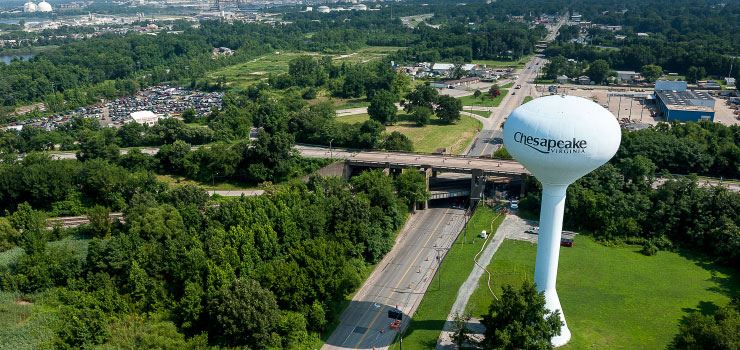
- Chesapeake’s landscape includes wetlands, forests, farmland, and suburban development, all within the same city limits.
- The city’s name reflects its connection to the Chesapeake Bay region, even though much of Chesapeake itself is more inland than many visitors assume.
- Chesapeake has long been associated with outdoor recreation, including fishing, boating, hiking, and wildlife viewing.
- The area has deep roots tied to early American colonial history because of its location in the broader Tidewater region.
- Chesapeake’s mix of urban and rural areas means you can find farms and produce stands within a short drive of major shopping centers.
- The city is known for strong neighborhood identity, with communities that often feel like small towns.
- Chesapeake’s waterways and canals have historically supported trade, travel, and local industry.
- The region’s coastal and Southern influences show up in local food traditions, especially seafood and comfort cooking.
- Chesapeake’s location makes it a popular home base for people who work across Hampton Roads in multiple nearby cities.
- The city experiences all four seasons, which changes the look and feel of parks, trails, and wetlands throughout the year.
- Chesapeake is a key part of a region with a major military presence, which shapes the broader culture and economy.
- The city has significant green space compared with many similarly populated areas, due to its large footprint and natural features.
- Chesapeake’s rural sections can feel surprisingly quiet at night, especially compared with neighboring urban centers.
- The city has a long history of transportation routes, from canals and roads to modern highways connecting the region.
- Many residents enjoy weekend routines built around parks, water access, and outdoor activities rather than purely indoor entertainment.
- Chesapeake’s development patterns create distinct local corridors where restaurants and retail cluster, while other areas remain open and undeveloped.
- The city’s geography supports a variety of wildlife, making it a notable place for birdwatching and nature photography.
- Chesapeake’s identity is often described as the bridge between coastal Virginia living and inland countryside life.
- The city’s growth has been shaped by regional planning, with expanding neighborhoods while maintaining large natural areas.
- Chesapeake is often appreciated for offering a quieter pace than some neighboring cities while still being close to beaches, airports, and regional attractions.
Discover more from City Towner
Subscribe to get the latest posts sent to your email.