
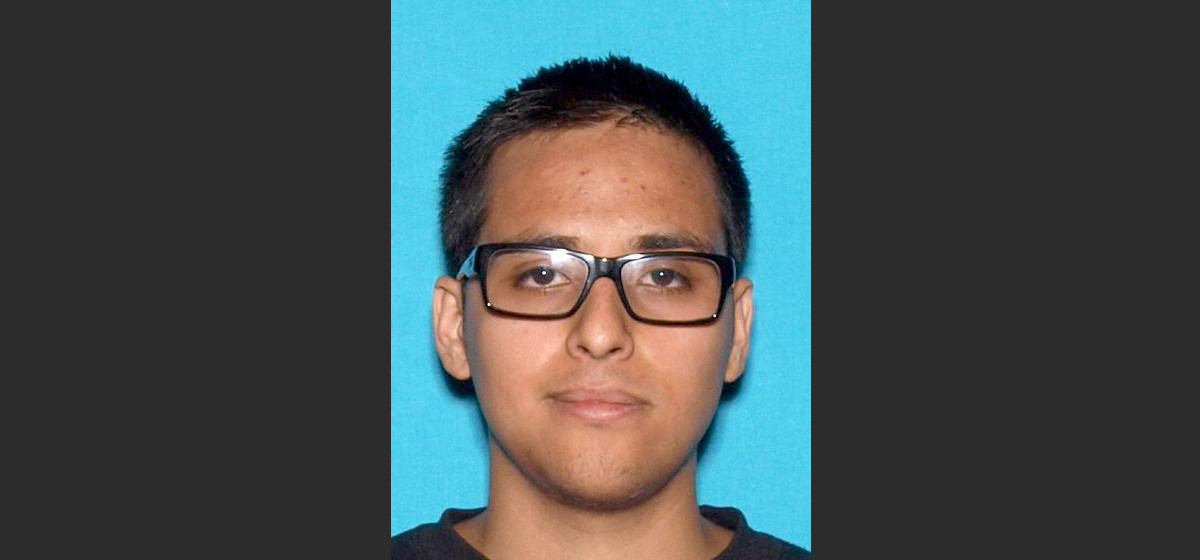
Cristian Soto-Sanchez Disappearance in San Francisco California
The disappearance of Cristian Soto-Sanchez is a troubling missing person case from San Francisco, California. Cristian, also known in some records as Cristian Alan Soto, was 23 years old when he vanished during the late night hours of September 23, 2016, into the early morning of September 24, 2016. His case drew concern because of the unusual circumstances surrounding the night he was last seen, the belongings later found near his parked car, and the fact that his disappearance was described as out of character by people who knew him.
Cristian was a young man with a job, family, friends, and regular responsibilities. He was not someone who was expected to vanish without warning. Those close to him described him as responsible and reliable, the kind of person who would normally let someone know if he was running late or if his plans changed. That is part of what made his disappearance so alarming. When he failed to show up where he was expected and stopped communicating, his loved ones quickly understood that something was wrong.
The case has remained painful because it contains many unanswered questions. Cristian had gone out for what seemed like a normal night in the city. He attended a concert, spent time with a friend, and was believed to be heading back to retrieve his vehicle. Instead, his car was later found locked in a garage, his backpack and belongings were discovered nearby, and Cristian himself was gone.
A Young Man Living in San Francisco
Cristian Soto-Sanchez was living and working in San Francisco at the time of his disappearance. He was 23 years old, an age when many people are building their adult lives, working, spending time with friends, and looking toward the future. He was connected to the city through his job, his family, and his social life.
He worked at Batteries Plus Bulbs, located at 1450 Bush Street in San Francisco. According to details connected to the case, Cristian finished work around 6:00 p.m. on September 23, 2016. Before leaving, he reportedly borrowed a garage remote so he could later access the area where his vehicle was parked. That small detail would later become important because it suggested that Cristian intended to return after his night out.
The plan appeared simple. Cristian would leave work, go out for the evening, attend a concert, and later come back for his car. Nothing about that plan seemed unusual. It was the kind of night many young adults might have in a busy city like San Francisco. But sometime after leaving a friend’s home in the early morning hours, something happened that interrupted his expected path.
The Night He Was Last Seen
On September 23, 2016, Cristian reportedly went to see the electronic music artist Flume perform at the Bill Graham Civic Auditorium in San Francisco. He traveled there with a friend by Uber. The concert placed him in a well known part of the city, surrounded by crowds, traffic, nightlife, and activity. San Francisco on a concert night can be full of people moving between venues, bars, restaurants, rideshare pickups, and late night gatherings.
After the concert, Cristian and his friend reportedly reconnected and went to the friend’s home. This was around 1:00 a.m. on September 24, 2016. There, Cristian spent time with others and had drinks. The evening still appeared to be social and routine. There was no public indication that Cristian was in immediate danger or planning to disappear.
Cristian reportedly left the friend’s home around 2:00 a.m. He had his backpack with him and was believed to be walking back toward the garage where his car was parked. That was the last known stage of his night. From that point forward, the timeline becomes uncertain. He did not retrieve his vehicle. He did not return home. He did not show up for work as expected. He did not contact his family or friends.
That walk back toward his car became the center of the mystery.
The Discovery of His Car And Belongings
Later that morning, Cristian’s car was found still locked in the garage. This was a major red flag because he had reportedly borrowed the garage remote for the purpose of retrieving the vehicle after the concert. If he had made it back safely, the expectation was that he would have taken the car and gone home or continued with his normal routine.
Instead, the car remained where it was.
Near the vehicle, Cristian’s backpack was found. Its contents were reportedly scattered. Items such as identification, credit cards, wallet, car keys, and extra clothing were found in or near the area. These were not things a person would usually leave behind voluntarily if they were planning to start over or leave without notice. The presence of his wallet, ID, and car keys made the scene especially concerning.
Two items were reportedly missing: his cell phone and the garage remote. The missing phone was important because it could have held clues about where he went, who he contacted, or what happened after he left his friend’s home. The missing garage remote also raised questions, especially since the car itself remained locked in the garage.
The scene created confusion. Cristian’s belongings were there. His car was there. But Cristian was not.
Why His Disappearance Was Alarming
Cristian’s disappearance was immediately disturbing to those who knew him because it did not fit his usual behavior. Friends, family, and coworkers reportedly viewed him as responsible. He was the type of person who would usually communicate if he was late or if something came up. When he missed work and failed to check in, concern grew quickly.
He also missed his sister’s birthday, which was described as unusual. For families, missed milestones can be a powerful signal that something is wrong. People may miss a casual appointment or forget a small task, but disappearing around an important family moment without any contact is different. It suggested that Cristian was either unable to reach out or something had happened that prevented him from doing so.
The fact that his belongings were found near his car only deepened the concern. If he had simply chosen to leave, why leave behind important personal items? If he had made it back to the garage, why not take the car? If he never made it back, how did the backpack end up near the vehicle? These are the questions that continue to surround the case.
The San Francisco Setting
San Francisco is a dense city with busy streets, nightlife, public transportation, rideshare traffic, and many areas where people move around late into the night. The area connected to Cristian’s case included the Bush Street and Van Ness Avenue area, along with the broader route between the Bill Graham Civic Auditorium, his friend’s home, and the garage connected to his workplace.
The urban setting matters because it creates both possibilities and challenges. On one hand, a city has witnesses, security cameras, businesses, traffic cameras, and people out late. On the other hand, crowded city movement can make one person’s path difficult to trace, especially during late night hours when memories are less clear and surveillance may be incomplete.
Cristian’s last known movements were not in a remote area. They were in a major city. Yet even in a place filled with people and cameras, he still vanished. That is part of what makes the case so haunting. He was in public or semi-public spaces, moving through a populated environment, and still the answer to what happened remains unclear.
Possible Concerns And Unanswered Questions
There have been multiple concerns raised in connection with Cristian’s disappearance. Some reports noted that he had asthma and may have needed medication. That detail could matter if he became disoriented, suffered a medical episode, or ended up somewhere without access to help. Other reports mentioned that he had previously dealt with depression-related struggles. Because of that, some people close to the case feared that his disappearance may have involved self-harm.
However, the known facts still leave room for uncertainty. A missing person case cannot be fully explained by speculation alone. Without confirmed evidence showing exactly what happened after Cristian left the friend’s home, the case remains open to difficult questions.
Did Cristian make it back to the garage on his own? Did he encounter someone along the way? Did he become ill or disoriented? Was his backpack taken or moved? Why were his personal items scattered? Why were his phone and the garage remote missing? Did surveillance footage capture any part of his final movements? These questions are central to understanding the mystery.
The case is not only about where Cristian was last seen. It is about the unexplained gap between leaving a friend’s home and the discovery of his belongings near his car.
A Family Left Searching For Answers
For Cristian’s family, the disappearance was not an abstract mystery. It was a personal nightmare. A loved one was suddenly gone, and the normal rhythm of life was broken. Families of missing people often describe the experience as being trapped between hope and grief. There is no final answer, no clear explanation, and no easy way to move forward.
Cristian’s loved ones had to face the pain of not knowing. Every unanswered call, every missed event, every day without contact added weight to the situation. When someone disappears, families are left replaying the last known details over and over. They think about the final conversations, the last plans, the route the person may have taken, and every possible clue that might have been missed.
The details of Cristian’s case are especially painful because he seemed to be close to returning to his car. He had a destination. He had belongings. He had a routine to resume. But somewhere in that short window of time, everything changed.
The Importance of Keeping His Case Visible
Missing person cases depend heavily on public awareness. Even years later, one detail can matter. Someone may remember seeing something near the garage, near the friend’s home, near the concert venue, or along the route Cristian may have walked. Someone may have found an item that seemed unimportant at the time. Someone may have heard a story or noticed unusual behavior from another person.
Keeping Cristian Soto-Sanchez’s name visible matters because time can bury cases that still deserve attention. The longer a person is missing, the harder it can be for families to keep the public focused. But unresolved cases do not become less important with time. The need for answers remains.
Cristian was not just a name in a missing person listing. He was a son, a brother, a friend, a coworker, and a young man whose life was interrupted under troubling circumstances. His disappearance deserves to be remembered with care and seriousness.
A Case Still Marked by Mystery
The disappearance of Cristian Soto-Sanchez on September 23, 2016, in San Francisco, California, remains a case filled with uncertainty. The known timeline begins with a normal workday, continues with a concert and a late night visit to a friend’s home, and ends with his belongings found near his locked car. What happened in between remains unknown.
His case stands out because of the contrast between ordinary plans and extraordinary consequences. Cristian appeared to be moving through a normal night. He had gone to work, gone to a concert, spent time with a friend, and was expected to retrieve his car. Instead, he vanished without a confirmed explanation.
The scattered belongings, the locked vehicle, the missing phone, and the missing garage remote all continue to raise questions. His family and friends were left with uncertainty, and the public record still does not provide a complete answer.
Cristian Soto-Sanchez’s story is a reminder of how quickly a person can disappear and how important it is to keep attention on unresolved cases. Behind every missing person case is a life, a family, and a community waiting for answers. In Cristian’s case, those answers have remained painfully out of reach since the early morning hours after September 23, 2016.
Discover more from City Towner
Subscribe to get the latest posts sent to your email.