
The Unsolved Murder of Elijah Jackson: Omaha’s Lingering Tragedy
On June 2, 2008, Elijah Jackson was murdered in Omaha, Nebraska. Sixteen years later, the shock of that violent night still reverberates through his family, friends, and the broader Omaha community. Despite repeated appeals from law enforcement and loved ones, the case remains unsolved. The murder of Elijah Jackson is a stark reminder of the pain left behind when justice is delayed, and the challenges faced by families seeking closure in cold cases.
The Night of June 2, 2008: What Happened?
Elijah Jackson, a 24-year-old Omaha resident, was in the parking lot of a local business on the evening of June 2, 2008. Details about the circumstances leading up to his murder remain limited in public accounts, but what is clear is that Elijah was shot and killed at the scene. Omaha Police responded to the incident, launching a homicide investigation that, to this day, has not resulted in any arrests.
News of Elijah’s death stunned his family and the community. Vigils were held, and his obituary, hosted by Braman Mortuary, became a space for friends and family to share memories and express grief. Yet, as the years passed, the absence of answers has only deepened the sense of loss.
The Investigation: Efforts and Obstacles
From the outset, the Omaha Police Department treated Elijah Jackson’s murder as a top priority. Detectives canvassed the area, interviewed witnesses, and gathered forensic evidence. However, like many urban homicides, the investigation quickly hit roadblocks. Witnesses may have been reluctant to come forward, and the lack of clear leads complicated the pursuit of justice.
As the years went by, Elijah’s case became one of many unsolved homicides in the city. Yet it has never been forgotten by police or the community. The Omaha Police Department has featured Elijah’s case multiple times on its social media channels, particularly through its “Gone, But Not Forgotten” cold case initiative. Each post is a renewed plea for information, a reminder that the case is still open, and that justice is still possible.
Omaha Crime Stoppers: Community Involvement
Omaha Crime Stoppers has also played a critical role in keeping Elijah’s memory alive in the public consciousness. By offering rewards and guaranteeing anonymity, Crime Stoppers encourages individuals with knowledge of the crime to come forward. To date, however, no credible tip has led to an arrest.
The Impact on Elijah Jackson’s Family and Community
The pain of losing a loved one to violence is immeasurable, but the agony is compounded when answers are elusive. Elijah Jackson’s family has repeatedly called for justice, urging anyone with information to break their silence. Their appeals are echoed by community leaders and advocates, who understand that unsolved murders can erode trust in law enforcement and foster a sense of insecurity.
Elijah’s story is not just about a life lost, but about the people left behind. Families of homicide victims often describe a sense of limbo, unable to fully grieve or move forward without closure. In Omaha, as in many American cities, these families form a quiet community of the bereaved, united by a common hope for justice.
Why Do Cases Like Elijah Jackson’s Remain Unsolved?
Unsolved homicides are a persistent challenge for law enforcement agencies nationwide. Several factors can contribute to a case going cold:
- Reluctant Witnesses: Fear of retaliation or distrust of police can make witnesses hesitant to share information.
- Lack of Physical Evidence: In some cases, there may be little or no forensic evidence to tie a suspect to the crime.
- Resource Constraints: Police departments often face limited resources, and older cases may receive less attention as new crimes occur.
- Community Dynamics: In neighborhoods where violence is more common, there may be a sense of resignation or hopelessness about the possibility of solving these crimes.
Despite these challenges, advances in forensic technology and renewed community engagement offer hope that even the coldest cases can eventually be solved.
Cold Case Initiatives: Keeping Hope Alive
Recognizing the importance of addressing unsolved homicides, the Omaha Police Department has implemented several initiatives to keep cases like Elijah Jackson’s in the public eye. The “Gone, But Not Forgotten” series spotlights cold cases on social media, sharing details and photos in the hope that someone will remember a crucial detail or feel compelled to come forward.
These efforts serve multiple purposes: they honor the victims, remind the public that these cases are still active, and maintain pressure on those who may know the truth. The visibility of cold cases can also prompt new witnesses to break their silence, especially as relationships and circumstances change over time.
How the Public Can Help
The most significant breakthroughs in cold cases often come from tips provided by members of the community. Here’s how you can help:
- Share Information: If you know something about the night Elijah Jackson was murdered, contact the Omaha Police Department or Omaha Crime Stoppers. Even small details can be crucial.
- Support Victims’ Families: Offer compassion and solidarity to those left behind. Their advocacy is vital in keeping cases active.
- Promote Awareness: Share social media posts and cold case features to keep Elijah’s story in the public eye.
Anonymous tips can be submitted through Omaha Crime Stoppers, which may offer a reward for information leading to an arrest.
The Broader Context: Unsolved Murders in Omaha
Elijah Jackson’s case is emblematic of a broader issue facing Omaha and many U.S. cities: the prevalence of unsolved homicides. Each unsolved case represents not just a statistic, but a person whose life was cut short and a family denied closure. The ripple effects of violence extend far beyond the immediate victims, affecting neighborhoods, schools, and the city’s sense of safety.
Efforts to address unsolved murders often include:
- Dedicated cold case units
- Community-police partnerships
- Victim advocacy organizations
- Public awareness campaigns
These initiatives are essential, but they require ongoing support and engagement from all segments of the community.
Remembering Elijah Jackson
Elijah L. Jackson was born on March 26, 1984. By all accounts, he was a beloved son, friend, and community member. His obituary and guestbook, maintained by Braman Mortuary, are filled with remembrances from those who knew him best. The enduring pain of his loss is a testament to the impact he had on those around him.
As the years pass, it is crucial that Elijah’s story is not forgotten. The continued efforts of his family, the Omaha Police Department, and the wider community keep hope alive that justice will one day be served.
Conclusion: Seeking Justice and Closure
The murder of Elijah Jackson on June 2, 2008, remains an open wound for his family and the Omaha community. While the passage of time can dull some pain, the absence of answers ensures that the need for justice endures. Cold cases like Elijah’s remind us of the importance of persistence, community engagement, and compassion for victims’ families.
If you have any information about the murder of Elijah Jackson, consider reaching out to the Omaha Police Department or Omaha Crime Stoppers. Even the smallest detail could make a difference. For families like Elijah’s, every tip is a glimmer of hope on the long road to closure.
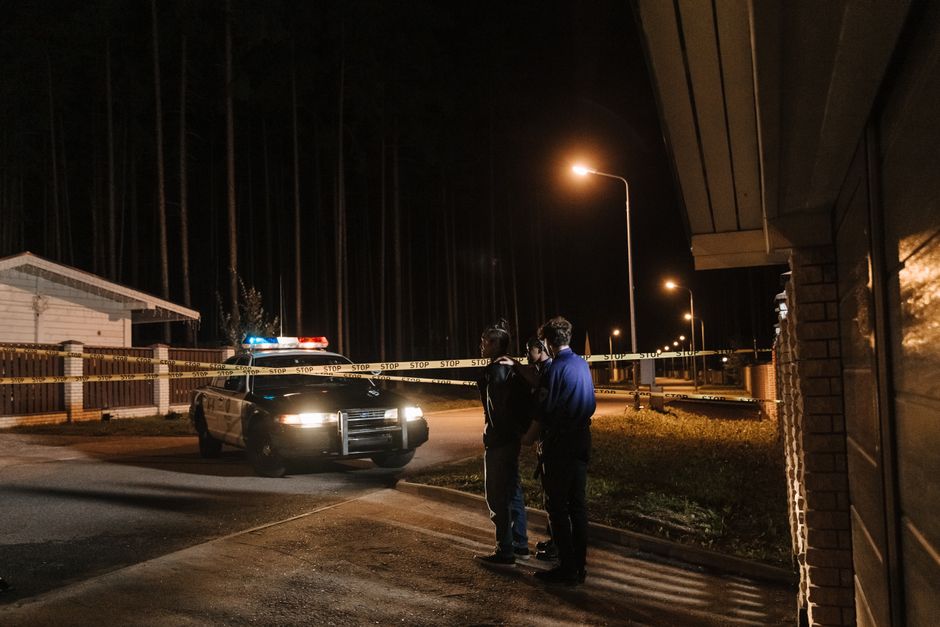
Photo by cottonbro studio on Pexels
Discover more from City Towner
Subscribe to get the latest posts sent to your email.