
The Rich History of Huntington Beach, CA: From Native Lands to Surf City USA
Huntington Beach, California, is more than just a sun-soaked destination for surfers and beachgoers. Its story is one of transformation, resilience, and cultural evolution. The history of Huntington Beach CA spans centuries, beginning with its indigenous inhabitants and evolving through Spanish land grants, oil booms, and the rise of surf culture. Today, Huntington Beach stands as a vibrant city, proudly carrying the moniker “Surf City USA.” This article explores the key chapters in the city’s past and how they shaped the community known and loved today.
Indigenous Roots: Tongva Lands
Long before European settlers arrived, the area now known as Huntington Beach was home to the Tongva people, also referred to as the Gabrielinos. Their territory stretched from Topanga Canyon to Aliso Creek in Laguna Beach, encompassing the fertile coastal plains and wetlands. The Tongva thrived in this region, relying on the abundant resources of the land and ocean for sustenance, crafting tools and canoes, and establishing villages along the coast and rivers.
Evidence of their presence remains in archaeological sites, place names, and the oral histories passed down through generations. The arrival of Spanish explorers and missionaries in the late 18th century marked a turning point for the Tongva, as their way of life was dramatically altered by colonization, disease, and the mission system.
Spanish and Mexican Eras: Rancho Los Nietos
In 1784, Spanish soldier Manuel Nieto received a massive land grant as a reward for his military service. This 300,000-acre expanse, known as Rancho Los Nietos, included what would become Huntington Beach and much of present-day Orange and Los Angeles counties. The land was used primarily for cattle ranching, with the open grasslands ideal for grazing.
Over time, portions of Rancho Los Nietos were subdivided and sold off, especially after Mexican independence from Spain in 1821 led to the secularization of mission lands. The area that became Huntington Beach saw a succession of owners, including the Stearns Rancho Company, which used the land for cattle, horses, and barley crops. By the late 1800s, smaller parcels were sold to settlers like Colonel Robert Northam, who cultivated barley and contributed to the region’s agricultural development.
The Birth of a Beach Town: Shell Beach and Pacific City
By 1889, the coastal settlement was known as Shell Beach, a small cluster of homesteads near the ocean. The area’s scenic beauty and mild climate began attracting visitors and developers. In 1901, the name changed to Pacific City, reflecting ambitions to create a seaside resort rivaling Santa Monica or Long Beach.
Development accelerated when P.A. Stanton and other investors formed the West Coast Land and Water Company. They envisioned a thriving community with modern amenities, wide boulevards, and a bustling pier. However, Pacific City struggled to attract the expected influx of residents and tourists, largely due to limited transportation options and competition from established beach towns.
Transformation Into Huntington Beach
The turning point arrived in 1903, when railroad magnate Henry E. Huntington became involved in the project. Recognizing the potential of the coastline, Huntington extended the Pacific Electric Railway—known as the “Red Car” line—to the area, making it accessible to visitors from Los Angeles and beyond. In honor of his pivotal role, the town was renamed Huntington Beach in 1903.
The Pacific Electric Railway brought growth and excitement, connecting Huntington Beach to the burgeoning Southern California metropolis. The first Huntington Beach Pier was constructed in 1904, quickly becoming the heart of the community and a symbol of its coastal identity.
Incorporation and Early Growth
Huntington Beach officially incorporated as a city on February 17, 1909, with Ed Manning serving as its first mayor. The Huntington Beach Company, owned by Henry Huntington, became the primary developer and landowner, shaping the city’s early layout and infrastructure. The company remains a significant landholder in the region to this day.
During its early years, Huntington Beach remained a quiet seaside town, with agriculture and tourism as its main economic drivers. The community attracted families, retirees, and vacationers seeking the restorative powers of the Pacific Ocean.
The Oil Boom of the 1920s: From Sleepy Town to Oil City
Everything changed in 1920 when Standard Oil discovered a massive oil deposit beneath the city. Wells sprang up almost overnight, and Huntington Beach was transformed into a bustling oil town. The population surged from about 1,500 to 5,000 within a month, as workers and entrepreneurs flocked to the area seeking fortune.
Oil derricks lined the beaches, and the city earned the nickname “Oil City.” The prosperity brought by oil financed new schools, roads, and public facilities, but also altered the landscape and character of the community. By the 1950s, oil production began to wane, and the city gradually shifted its focus back toward residential development and tourism. Many of the oil rigs were eventually removed or concealed to restore the scenic coastline.
Postwar Expansion: The Fastest-Growing City
The decades following World War II saw another dramatic transformation. As Southern California’s population exploded, Huntington Beach became one of the fastest-growing cities in the United States. Tracts of new homes replaced barley fields and oil wells, attracting families seeking suburban comfort and beachside living.
Between the 1950s and 1970s, the city’s population soared. Developers built shopping centers, schools, and parks to accommodate the influx of residents. By the 1980s, Huntington Beach had become the fourth most populous city in Orange County and the largest beach city in the county.
The Rise of Surf Culture: Surf City USA
While oil and real estate shaped the city’s economy, surf culture defined its identity. The consistent waves along Huntington Beach’s 9.5-mile shoreline made it a magnet for surfers. In 1914, George Freeth, often called the “Father of Modern Surfing,” gave the first surfing demonstration in Huntington Beach, cementing its reputation as a surf destination.
By the 1960s, Huntington Beach was widely known as “Surf City,” a nickname popularized by the Jan and Dean song of the same name. The city hosted national and international surfing competitions, attracting athletes and fans from around the world. In 1991, Huntington Beach officially trademarked the name “Surf City USA,” embracing its role as the epicenter of American surf culture.
The Huntington Beach Pier, rebuilt and extended several times since its original construction, remains the city’s most iconic landmark and the focal point of its vibrant downtown. Today, the city continues to host major surf events, including the annual U.S. Open of Surfing.
Modern Huntington Beach: A Dynamic Coastal City
Today, Huntington Beach is home to nearly 200,000 residents and continues to evolve. Its economy blends tourism, technology, and services, while its neighborhoods reflect a mix of historic charm and modern development. The city’s beaches, wetlands, and parks attract millions of visitors each year, drawn by the promise of sun, surf, and a laid-back lifestyle.
Huntington Beach’s history is visible in its architecture, museums, and community events. The city honors its past while embracing innovation and diversity, making it a unique destination within Southern California.
Key Historical Landmarks in Huntington Beach
- Huntington Beach Pier: First built in 1904, rebuilt several times, and extended in 1992. The pier remains a central gathering place and symbol of the city.
- Historic Downtown: Features early 20th-century buildings, surf shops, and restaurants, reflecting the city’s evolution from a small town to a bustling beach community.
- Bolsa Chica Wetlands: Once threatened by development, these restored wetlands highlight the region’s natural heritage and provide habitat for wildlife.
- Newland House Museum: The oldest residence in Huntington Beach, offering a glimpse into the city’s pioneer era.
Conclusion: The Legacy and Future of Huntington Beach
The history of Huntington Beach CA is a story of adaptation and reinvention. From its indigenous roots and Spanish ranchos to oil booms and the rise of surf culture, each era has left its mark on the city’s landscape and spirit. As Huntington Beach continues to grow and change, it remains proud of its rich heritage and its place as Surf City USA. Whether you’re a resident or a visitor, exploring the city’s history offers a deeper appreciation for this iconic stretch of California coastline.
Next Step: To experience Huntington Beach’s legacy firsthand, consider visiting the city’s historic downtown, walking the pier, or exploring the Bolsa Chica Wetlands. For more California history, check out our articles on things to do in Los Angeles or things to do in Southern California.
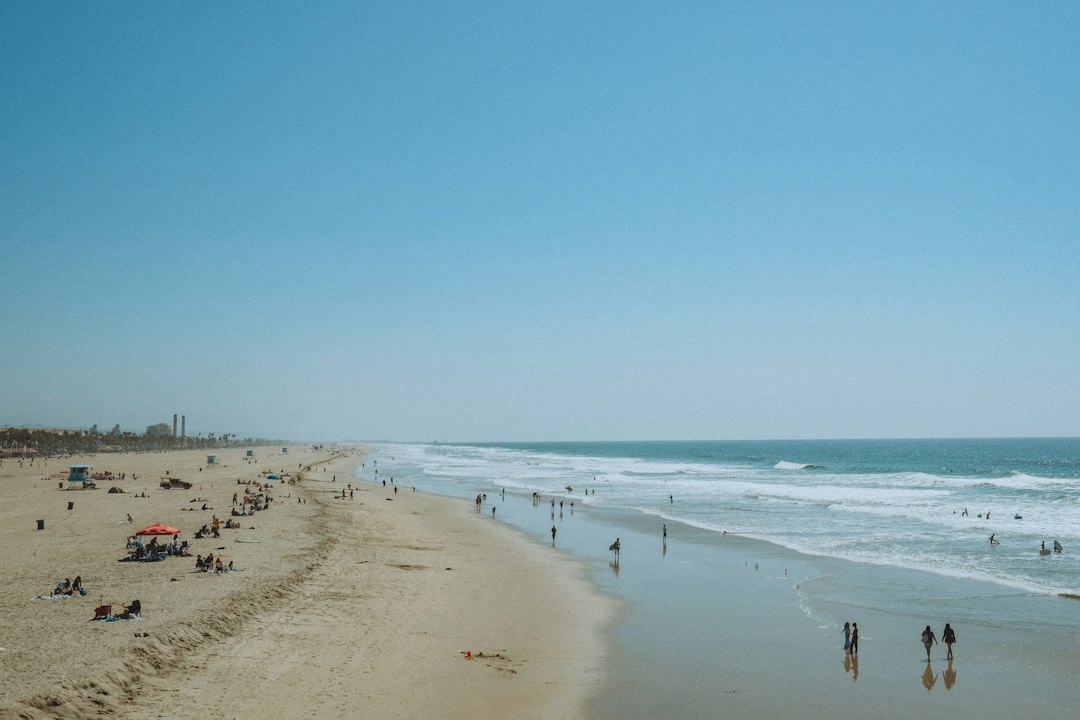
Photo by Dylan Andersen on Unsplash
Discover more from City Towner
Subscribe to get the latest posts sent to your email.