Irease Jeffrey Shooting Death in Durham North Carolina
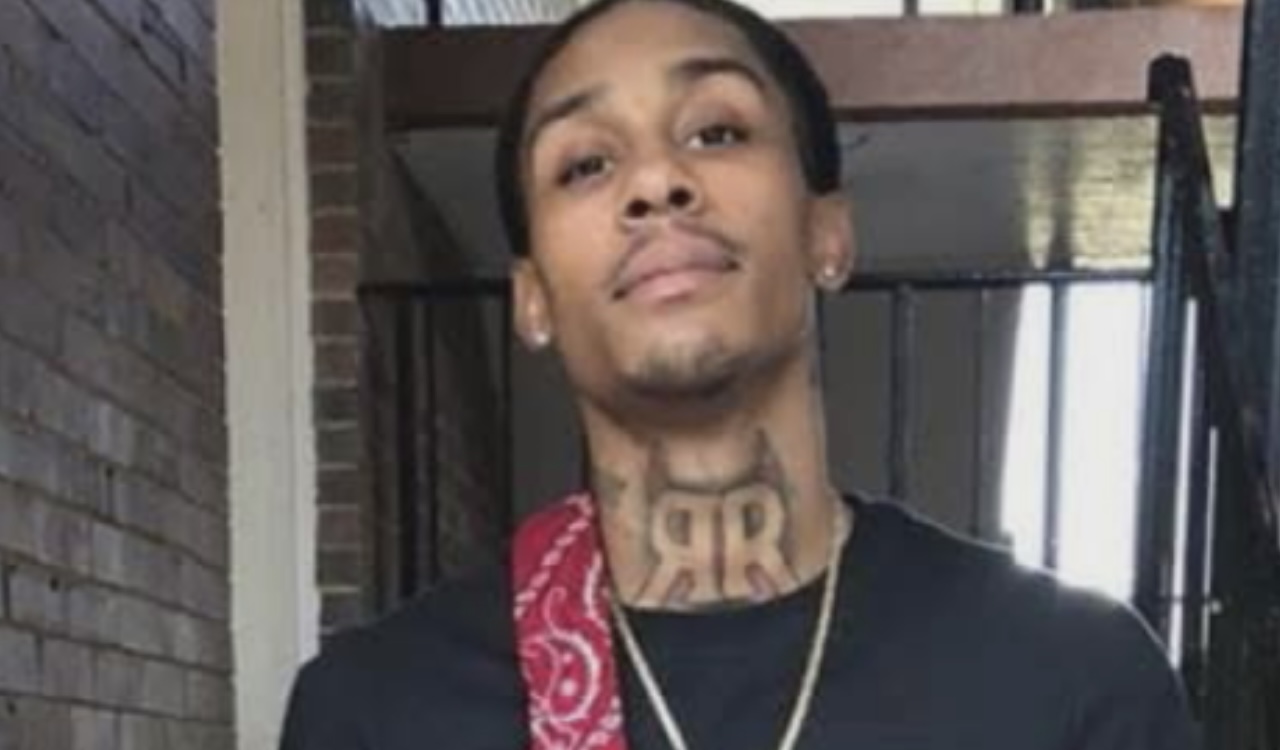
On January 4, 2026, Durham, North Carolina, was rattled by the kind of violence that can make a familiar stretch of roadway feel suddenly unsafe. The death of Irease Jeffrey, a thirty year old Durham resident, did not unfold in a secluded place or at an unusual hour. It happened in the open, in a part of the city where people regularly pass through for food, errands, and late night drives.
In the days that followed, the case quickly became a point of shared grief and frustration. Residents tried to make sense of how a routine drive could end in gunfire, and why the people responsible could vanish into the night. The shock was amplified by the fact that a second victim, a woman riding as a passenger, was also hit and left fighting for her life.
The Setting Along Hillsborough Road
Hillsborough Road is one of Durham’s most traveled corridors, carrying traffic between neighborhoods, businesses, and major routes. It is the kind of place where headlights and streetlights mix, where the city feels active even after dark, and where drivers often assume they are simply moving through another ordinary night.
That sense of normalcy is part of what makes incidents like this so unsettling. A shooting on a main road creates a different kind of fear than one confined to a hidden corner, because it suggests the danger was not confined to a specific dispute location. It intruded into public space, near businesses that remain recognizable to anyone who has spent time in the area.
The Vehicles Involved and How the Attack Unfolded
The fatal attack occurred while Irease Jeffrey was behind the wheel of a Chevy Malibu traveling west. Another vehicle pulled alongside on the right, lining up with the passenger side. What happened next was fast and irreversible. Shots were fired into the Malibu from the other vehicle, turning the inside of the car into a crisis zone in seconds.
From the outside, a moving car can hide the chaos inside it. A driver trying to maintain control while injured, a passenger struck and unable to help, the sudden disorientation, and the instinct to survive all collide at once. Even a moment of lost control at roadway speed can become deadly, and when gunfire is added, the margin for recovery becomes almost nonexistent.
The Crash and the Final Moments
After the shots were fired, the Malibu lost control. The car ultimately came to a stop off the roadway in a nearby parking area. By then, the situation had shifted from an attack in motion to an emergency response scene, where every second mattered and where the goal becomes simple and urgent, keeping people alive long enough to get them to medical care.
Irease Jeffrey was transported to a hospital, but he did not survive. The woman in the passenger seat was also taken for treatment and was reported to be in critical condition. For many in the community, the fact that there were two victims, and that one may have been targeted or endangered simply by being present, made the violence feel even more senseless.
Who Irease Jeffrey Was to the People Around Him
A homicide is always a headline, but it is also a personal catastrophe. Irease Jeffrey was not just a name attached to a police report. To those who knew him, he was a son, a friend, and a father. People close to him described a man with ambitions and responsibilities, someone building a life while still chasing goals that mattered to him.
In the wake of his death, attention turned to the human reality behind the event. When a father is killed, the loss stretches forward in time. It is felt at future birthdays, school milestones, and ordinary days that will now carry an absence. For loved ones, the grief is not only about the life that ended, but also about the future that was taken with it.
The Passenger and the Lingering Uncertainty
The woman riding with Jeffrey became the second victim of the attack, and her condition underscored how unpredictable and expansive this kind of violence can be. When a passenger is seriously injured, questions multiply. Was she the intended target, was the driver the intended target, or was the attack aimed at the vehicle without regard for who was inside
Because investigators often limit what they release early, the public can be left with fragments. That silence can feel unbearable to families and friends who want clarity. It can also lead to rumors, which only complicate the search for truth. What remains clear is that she was gravely harmed, and her recovery, if it comes, may be long and life changing.
Early Case Questions Investigators Focus On
In a targeted roadway shooting, investigators typically look for patterns that can narrow the suspect pool. They try to determine whether the victim had recently been threatened, whether there were disputes involving acquaintances, and whether the location and timing suggest someone followed the car or recognized it on the road.
They also push to locate camera footage from nearby businesses and intersections, track witness accounts of vehicles leaving the scene, and search for ballistic evidence that can tie a weapon to other crimes. Sometimes the most valuable detail is something that seems small, like a unique vehicle feature, a partial plate, or a consistent route the victim often drove.
The Weight of Gun Violence in Public Spaces
Durham, like many cities, has wrestled with the broader problem of gun violence, and public roadway shootings create a specific kind of anxiety. They disrupt a basic expectation most people carry, that driving down a commercial corridor should not expose them to lethal danger.
When violence spills into traffic lanes and parking lots, it is not only the victims who are affected. It is also every bystander who later realizes they were nearby, every resident who drives the same route and imagines the moment of gunfire, and every family that must explain to children why someone died in a place that once felt ordinary.
Community Grief and the Demand for Accountability
After Jeffrey’s death, the community response blended grief with anger. People mourned him and worried about the injured passenger, but they also demanded answers. Who did this, why did it happen, and how could it occur in a way that seemed so bold
That mix of emotions is common after a public homicide. Mourning often comes with a need for accountability, and families frequently become advocates by necessity. When a case remains unsolved, every passing week can feel like a second injury, because closure does not arrive, and fear lingers in the spaces where daily life continues.
A Note About Dates and Public Accounts
As cases move through early reporting and ongoing investigation, details sometimes circulate with conflicting dates in initial public discussions. For anyone documenting this case, it is important to be consistent with the chosen timeline and to recognize that early information can shift as investigators confirm specifics.
For the purposes of this article, the focus is the killing of Irease Jeffrey on January 4, 2026, in Durham, North Carolina, and the lasting impact that followed.
What Justice Could Look Like
Justice in a homicide case is not only a courtroom outcome. For families, it can also mean clarity about what happened, confirmation of who was responsible, and assurance that the person who fired into a moving car cannot do it again. For the community, it means restoring some measure of safety and trust.
If the case results in an arrest, it will likely be built on a combination of witness statements, surveillance footage, forensic evidence, and investigative persistence. In the meantime, the memory of Irease Jeffrey remains tied to a painful night on Hillsborough Road, and to the determination of loved ones who want his name to be more than another unsolved headline.
Discover more from City Towner
Subscribe to get the latest posts sent to your email.