
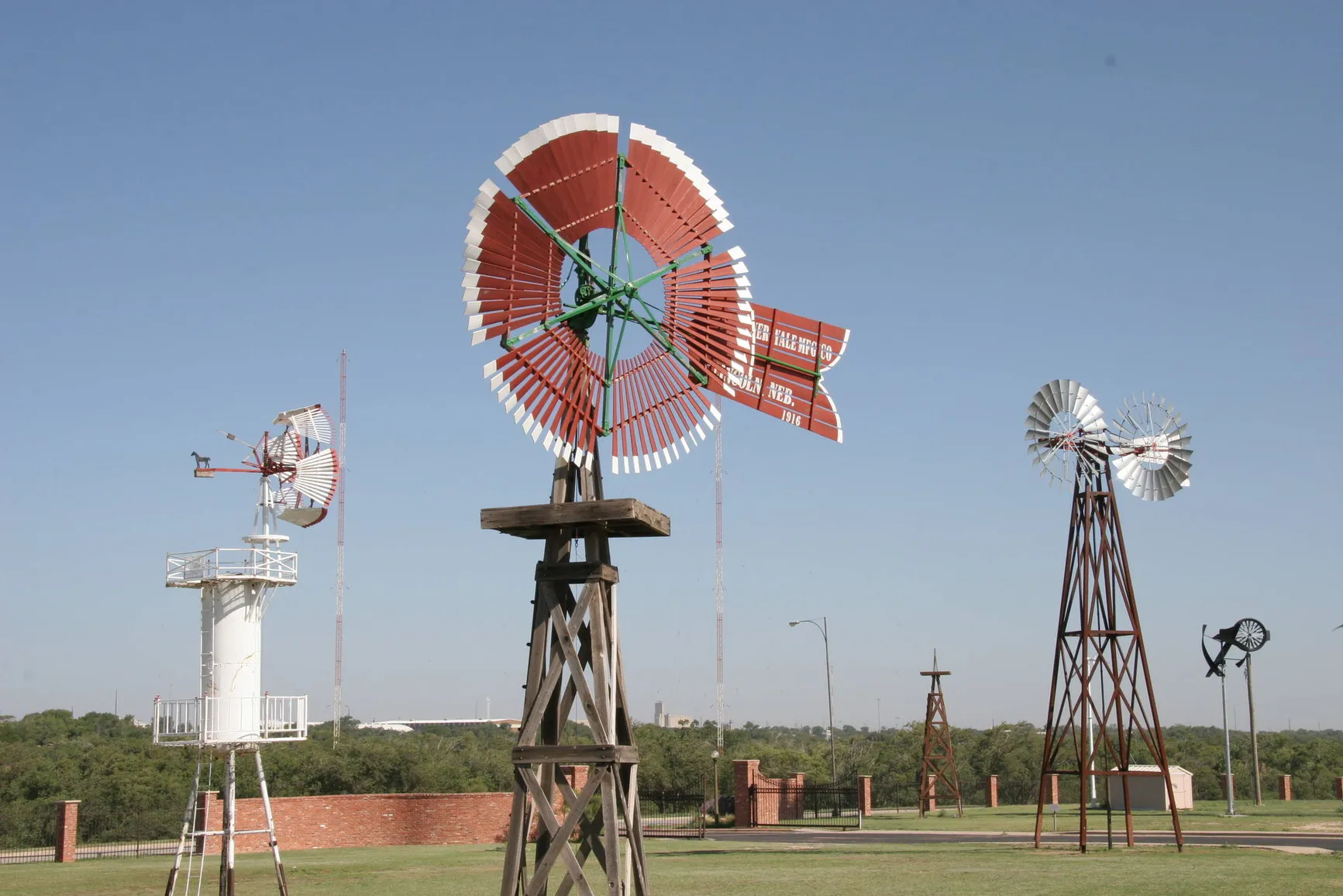
American Windmill Museum in Lubbock Texas
The American Windmill Museum in Lubbock, Texas, is a fascinating destination that celebrates the history and evolution of wind-powered technology. As the largest windmill museum in the world, it offers a comprehensive look at the impact of wind energy on America’s development, particularly in the agricultural heartlands of the West. With over 160 windmills and various interactive exhibits, the museum is a must-visit for history enthusiasts, engineering buffs, and those interested in sustainable energy solutions. This article delves into the rich history, unique exhibits, and educational opportunities at this one-of-a-kind museum.
The Origins of the American Windmill Museum
The American Windmill Museum was established in 1998 with the mission to preserve and promote the history of wind-powered machinery in the United States. It began as a small collection of historic windmills, gathered by windmill enthusiast and historian Coy Harris. Over the years, the collection grew exponentially, leading to the creation of a dedicated space that would eventually become the largest windmill museum in the world.
Located on 28 acres in Lubbock, the museum serves as a testament to the ingenuity and practicality of wind power, highlighting its critical role in agriculture, ranching, and rural development.
A Hub for Windmill Enthusiasts
The American Windmill Museum is a hub for windmill enthusiasts, researchers, and historians. It houses a vast array of windmill models, each showcasing different designs, mechanisms, and purposes. From the earliest European models brought to America by settlers to modern-day wind turbines, the museum offers a comprehensive overview of wind-powered technology’s evolution.
The museum also hosts special events, lectures, and educational programs that focus on the technical, historical, and cultural aspects of windmills. It serves as a gathering place for those interested in wind power’s past and future, providing a unique perspective on how this simple yet powerful technology has shaped various aspects of American life.
An Overview of the Collection
The museum’s collection is diverse, with over 160 restored windmills representing different eras, styles, and manufacturers. The exhibits range from small water-pumping windmills to massive, towering structures used for generating electricity. Some of the most notable pieces include:
- Halladay Standard Windmill (1854): One of the oldest models in the collection, it was among the first commercially successful windmills in the United States. It was used primarily for pumping water and was vital for farmers and ranchers in remote areas.
- Eclipse Wind Engine (1867): This windmill was designed for large-scale water pumping and became popular across the Great Plains. Its innovative design allowed for greater efficiency, making it a significant technological advancement at the time.
- Dempster Windmill (1892): This classic windmill is a prime example of the designs that dominated the landscape in the late 19th and early 20th centuries. It was used extensively for irrigation and household water supply.
- Modern Wind Turbines: In addition to historic models, the museum also features modern wind turbines that highlight the advancements in wind energy technology. These exhibits provide a glimpse into the future of renewable energy, showing how wind power continues to play a vital role in addressing energy needs.
The Wind Energy Exhibit
A major highlight of the museum is the Wind Energy Exhibit, which showcases the transition from traditional windmills to contemporary wind turbines. This exhibit explores the evolution of wind power from a basic water-pumping technology to a sophisticated source of renewable energy. It features interactive displays that demonstrate how modern wind turbines convert kinetic energy into electricity, making it both educational and engaging for visitors of all ages.
The exhibit also addresses the environmental benefits of wind energy, emphasizing its role in reducing carbon emissions and promoting sustainable energy practices. It provides an in-depth look at the challenges and opportunities associated with wind power development, including issues related to land use, wildlife conservation, and community engagement.
The Murals and Art Installations
In addition to its extensive windmill collection, the American Windmill Museum is known for its impressive murals and art installations. These large-scale works of art celebrate the cultural and historical significance of windmills and wind power in the American West.
One of the standout features is the Legacy of the Wind mural, a 6,000-square-foot artwork that depicts the history of windmills, from their ancient origins to their modern applications in renewable energy. The mural serves as a visual timeline, illustrating the development of wind technology and its impact on society.
Other art installations include sculptures and interactive pieces that highlight the aesthetic beauty of windmills, making the museum a space that blends history with artistic expression.
The Garrison Millstone Collection
The Garrison Millstone Collection is another fascinating part of the museum. It includes a variety of historic millstones used in early American gristmills, which were powered by wind energy. The collection provides insight into the broader history of milling and its reliance on wind power for grinding grains and other materials.
Visitors can see different types of millstones, learn about their construction and use, and understand their role in supporting early American agriculture. The collection is a reminder of the vital connection between wind power and food production in the past.
The Model Train Exhibit
An unexpected but popular attraction at the American Windmill Museum is the Model Train Exhibit, which complements the windmill displays by showcasing how railroads and windmills worked together to expand agricultural development across the Great Plains. The model train display is intricately detailed, featuring miniature landscapes complete with windmills, trains, and farming communities.
This exhibit is especially popular with families and young visitors, offering an engaging way to learn about the interconnectedness of early American industry and transportation.
Educational Programs and Events
The American Windmill Museum is committed to education, offering a variety of programs designed to engage students, teachers, and the general public. The museum regularly hosts:
- Guided Tours: Visitors can take guided tours led by knowledgeable staff, who provide insights into the history and technology of windmills. Tours can be tailored to specific interests, making them suitable for school groups, researchers, and casual visitors alike.
- Workshops and Demonstrations: The museum conducts workshops that teach about wind energy, sustainable practices, and the mechanics of windmills. Demonstrations allow participants to see windmills in action, providing a hands-on learning experience.
- Annual Events: The museum hosts special events, including the National Windmill Day Celebration, which features live music, food vendors, and educational activities centered around wind energy. It’s a fun-filled day that highlights the importance of wind power in both historical and modern contexts.
Preserving Wind Power History
Preservation is a key mission of the American Windmill Museum. The staff and volunteers work diligently to restore and maintain the windmills, ensuring that they remain functional and historically accurate. This effort includes everything from repairing damaged blades and gears to painting and reinforcing the structures.
The museum also collaborates with historians, engineers, and other museums to share knowledge and best practices in windmill preservation. By doing so, it ensures that future generations can appreciate the ingenuity and cultural significance of wind-powered technology.
Visitor Information and Experience
The American Windmill Museum offers a unique visitor experience, blending education, history, and hands-on learning. The museum is open year-round and provides ample space for exploration, with both indoor and outdoor exhibits. Visitors are encouraged to take their time walking among the windmills, reading interpretive signs, and interacting with displays.
The museum also features a gift shop with a selection of windmill-themed souvenirs, books, and educational materials, making it easy to take a piece of the experience home.
A Unique Tribute to Wind Power
The American Windmill Museum stands as a unique tribute to the role of wind power in shaping American history. From its collection of historic windmills to its educational programs, the museum offers an in-depth look at how wind energy has contributed to agriculture, industry, and innovation. Whether you’re a history enthusiast, a sustainability advocate, or simply looking for an interesting day out, the American Windmill Museum in Lubbock, Texas, is a destination that combines education, inspiration, and a celebration of human ingenuity.
Discover more from City Towner
Subscribe to get the latest posts sent to your email.