
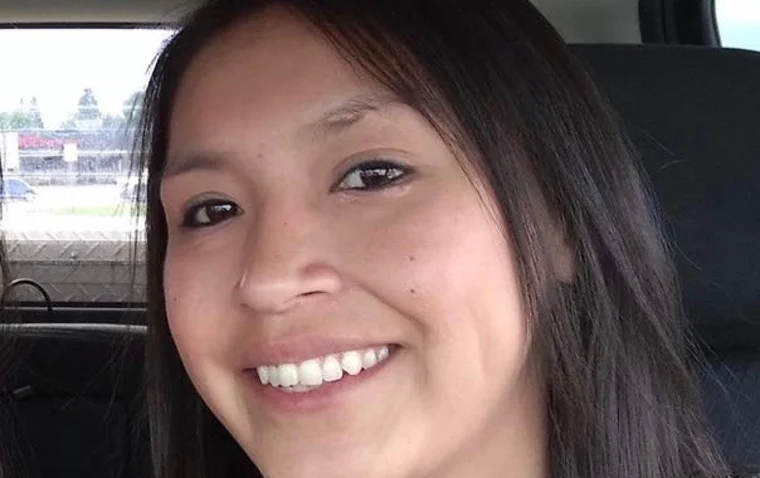
Olivia Lone Bear Car and Body Found Submerged in Lake Sakakawea North Dakota
The story of Olivia Lone Bear became one of the most painful and widely discussed cases to come out of North Dakota in recent years. Her disappearance did not just leave a family searching for answers. It sent shockwaves through the Fort Berthold Indian Reservation and raised larger questions about how missing Indigenous women are searched for, how quickly investigations move, and how families are forced to endure months of uncertainty while hoping for a miracle.
Olivia Lone Bear was a mother whose absence was immediately felt by the people closest to her. When she vanished, the fear was not limited to one household or one circle of friends. Her disappearance quickly became a community crisis. As days turned into weeks and then into months, the case grew into something larger than a missing persons report. It became a symbol of grief, frustration, and a demand for justice that never faded.
Even years later, Olivia’s name still carries emotional weight. Her case is remembered not only because of the heartbreaking outcome, but because of the way it exposed deep fears shared by many Native families. For many people, her story represents loss on a personal level and failure on a systemic level. That is why the case has remained so important long after the first headlines appeared.
The Night She Was Last Seen
Olivia Lone Bear was last seen on October 24, 2017, in New Town, North Dakota. That date remains at the center of the case because it marked the beginning of a mystery that would stretch on for months. What should have been an ordinary night instead became the starting point of a devastating chain of events that left her loved ones desperate for any sign of where she had gone.
When someone disappears without explanation, the earliest hours matter. They shape the direction of a search, the urgency of an investigation, and the chances of finding answers quickly. In Olivia’s case, those early days became the focus of intense public discussion as family members, supporters, and community members pushed for more attention and more action.
The uncertainty surrounding that night made the case especially painful. There was no clear public explanation that could bring closure. There was no simple answer that made the situation easier to understand. What remained instead was a growing sense of alarm and a belief that far more needed to be done.
A Family and Community Forced Into Search Mode
As concern over Olivia’s disappearance spread, her family and members of the community moved into action. Search efforts grew over time, driven by the determination of people who refused to let her name fade. That effort reflected both love and desperation. Every search, every organized effort, and every public appeal carried the same message that Olivia mattered and that she needed to be found.
Cases like this often place an enormous emotional burden on families. They are expected to grieve, advocate, answer questions, and keep hope alive all at once. That burden becomes even heavier when there are lingering concerns about whether the response was fast enough or coordinated enough. In Olivia’s case, those concerns became part of the public conversation and helped keep the case in the spotlight.
The pain of not knowing can be as cruel as the final truth. For months, Olivia’s loved ones were left in that painful space between fear and hope. That stretch of time was not just a gap in the timeline. It was a period marked by anxiety, public pressure, and relentless searching.
The Discovery in Lake Sakakawea
On July 31, 2018, nearly nine months after Olivia was last seen, her body was found in a submerged vehicle in Lake Sakakawea near Sanish Bay. The discovery ended one part of the ordeal, but it did not bring the kind of peace that comes with clear answers. Instead, it opened a new chapter filled with even more difficult questions.
The location of the vehicle added to the mystery surrounding the case. The fact that she was discovered in the water created immediate public concern and intense interest in how the vehicle got there, what happened in the hours before her disappearance, and whether another person had been involved. For the family, the recovery of her body meant the terrible uncertainty of not knowing where she was had finally ended. But it also meant facing the reality that she was gone.
The recovery became a major turning point in the public understanding of the case. People who had followed the searches and prayed for her safe return were forced to confront a tragic outcome. What had started as a missing persons case had now become a death investigation, and the demand for truth only grew stronger.
An Official Cause That Left Questions Behind
One of the most difficult aspects of Olivia Lone Bear’s case is that the official cause of death was ruled undetermined. That single word has enormous weight. It means that even after the recovery of her body and subsequent examination, authorities did not publicly provide a definitive explanation that resolved the case in the minds of her family or the wider public.
An undetermined ruling can be deeply frustrating because it leaves room for uncertainty. It does not fully answer whether what happened was accidental, intentional, or caused by factors that could not be conclusively proven. In a high profile case already surrounded by grief and concern, that lack of finality can feel unbearable.
For the public, the ruling reinforced the sense that the case remained unfinished. For Olivia’s loved ones, it meant that closure was still out of reach. They were not only mourning a death. They were living with unanswered questions that continued to hang over every conversation about the case.
Why the Case Resonated Far Beyond North Dakota
The death of Olivia Lone Bear resonated far beyond the immediate region because it connected to a much larger reality facing Indigenous communities. Across the United States and Canada, Native families have long raised alarms about disappearances, violence, and investigations they believe do not receive the urgency they deserve. Olivia’s story became part of that broader reckoning.
Her case drew attention because it felt painfully familiar to many people. It reflected fears that Native women can disappear and not receive the immediate, coordinated response that any family would hope for. It highlighted how communities often feel they must fight not only for justice, but for basic attention and sustained public concern.
That is one reason her name continues to be spoken with such seriousness. She is remembered not only as an individual whose life was cut short, but also as part of a wider call for reform, accountability, and respect. The emotional power of her case comes from both who she was and what her death came to represent.
The Human Cost of Unanswered Questions
In many criminal or suspicious death cases, public attention fades once a body is found. Olivia Lone Bear’s case did not follow that pattern. The reason is simple. The biggest questions never fully went away. Finding her ended the search, but it did not end the need for answers.
Unanswered questions create a different kind of pain. They extend grief into the future. They prevent a story from feeling complete. They force family members to live with possibilities instead of conclusions. In Olivia’s case, that uncertainty has remained one of the hardest parts of the tragedy.
The emotional cost is not limited to the immediate family. Communities also absorb that trauma. Friends, neighbors, and supporters are left to wonder how something so devastating could happen without clear public resolution. That kind of uncertainty can weaken trust and deepen existing fears, especially in communities that already feel vulnerable.
Remembering Olivia Lone Bear
At the center of every discussion about the case is Olivia herself. It is easy for public conversation to become consumed by timelines, investigations, and unanswered questions, but those details should never erase the person whose life was lost. Olivia Lone Bear was not just a case file or a headline. She was a woman whose family loved her and whose absence left a permanent wound.
Remembering her means acknowledging more than the tragedy. It means recognizing the human life behind the public attention. It means understanding that every article, every anniversary, and every renewed appeal for information is rooted in the fact that someone should still be here and is not.
Her memory has endured because those who cared about her refused to let her disappear from public consciousness. In that sense, remembrance itself has become part of the pursuit of justice. To speak her name is to insist that her life mattered and that the unanswered parts of her story still matter too.
A Case That Still Demands Truth
The death of Olivia Lone Bear remains one of the most haunting cases in North Dakota because it sits at the intersection of tragedy and uncertainty. The known facts are heartbreaking enough on their own. A mother disappeared. Months passed without answers. Her body was eventually found in a submerged vehicle. Yet even with that discovery, the official outcome did not resolve the deeper questions that continue to surround the case.
That is why the story still carries urgency. It is not only about what happened in October 2017 or what was discovered in July 2018. It is about the ongoing demand for clarity, justice, and accountability. It is about a family that deserves answers and a community that has not forgotten.
Olivia Lone Bear’s death remains a painful chapter in the history of Fort Berthold and North Dakota. It is a story of loss, public grief, and unfinished truth. Until clearer answers emerge, her case will remain more than a memory. It will remain a call to keep looking, keep asking, and keep refusing to accept silence where justice should be.
Discover more from City Towner
Subscribe to get the latest posts sent to your email.