
Port St. Lucie Florida Food Scene
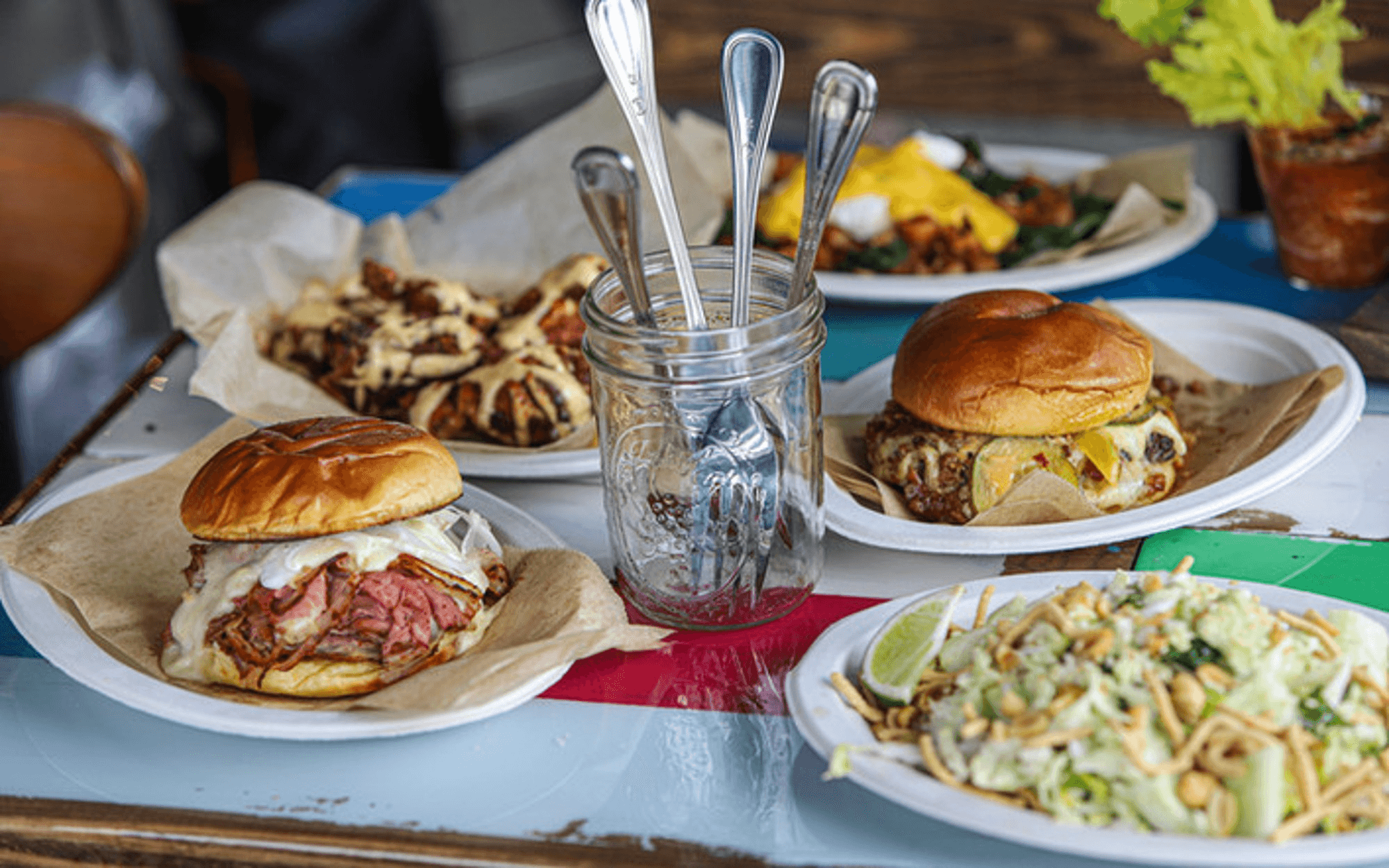
Port St. Lucie’s dining culture reflects the city itself: residential, fast-growing, and proudly local. There’s no single “restaurant row” with velvet ropes; instead, the city eats in clusters—around Tradition Square, St. Lucie West, and the corridors that connect them to the river and the Turnpike. Breakfasts are generous, lunches practical, and dinners swing between family-style comfort and date-night polish. You’ll find Italian red-sauce institutions beside modern steak and seafood rooms, taquerías near Caribbean takeout counters, and a steady rotation of food trucks orbiting weekend markets. The result is a scene designed not for tourists but for people who live here, coach youth sports, and meet friends after work.
How the city’s layout shapes what’s on the plate
PSL is a city of subdivisions stitched together by boulevards and pocket plazas. That geography matters. Tradition’s mixed-use square concentrates patios, bakeries, breweries, and weeknight dining that spills into public space. St. Lucie West acts like a “15-minute city” micro-grid: fitness, errands, and dinner in the same loop, so quick casual and mid-priced sit-down spots do well. Near the river and older neighborhoods you’ll see legacy cafés, seafood houses with long regulars lists, and small bakeries serving communities who came from Miami, the Northeast, or the Caribbean. Because the city is car-centric, parking is easy and menus skew approachable—family portions, sharables, and consistent weekday deals.
Breakfast and brunch: PSL’s daily ritual
Brunch isn’t an occasional indulgence here; it’s a weekly anchor. The local formula is hearty and unfussy: scratch pancakes and cinnamon-dusted French toast, corned beef hash that actually tastes of the griddle, omelets layered with local veg, and benedicts that lean heavy on hollandaise. Health-leaning counters keep pace with acai bowls, egg-white scrambles, and greens topped with grilled shrimp or chicken. Expect waitlists on weekend mornings, coffee refills on a loop, and pastry cases that clear out by noon—especially during baseball spring training and when the weather first turns “patio nice.”
Latin and Caribbean lanes: comfort with a coastal accent
Port St. Lucie’s growth has pulled in cooks and families from across Florida and the wider Americas. That shows up in the plates: pressed Cuban sandwiches, ropa vieja with long-simmered peppers, Puerto Rican pernil that crackles, and Dominican-style rotisserie chicken piled over yellow rice and red beans. Mexican kitchens split the difference between taquería standards (al pastor shaved from the trompo, carnitas, birria) and Tex-Mex staples (sizzling fajitas, queso, combination plates). Peruvian menus mix lomo saltado with citrus-bright ceviche; Venezuelan counters griddle arepas and stack them with shredded beef and avocado. The vibe is everyday sustenance—fast lines at lunch, family tables at dinner, and portions designed to travel as leftovers.
Italian, pizza, and the steakhouse tradition
Italian cooking is PSL’s second language. You’ll find red-sauce comfort—lasagna, chicken parm, nonna-style meatballs, and garlic knots—alongside white-tablecloth rooms pouring Barolo next to dry-aged ribeyes. Pizzerias run the gamut from foldable New York slices to blistered Neapolitan pies and square-pan Sicilian cuts. Modern Italian-steakhouses bridge the scenes: house-made pastas, wood-roasted vegetables, a serious wine list, and steaks finished with herb butter or demi-glace. Because price sensitivity drives choices here, many spots field an early “sunset” menu with smaller portions and a glass of wine, keeping Tuesday nights lively.
Seafood and the river’s influence
Even without a tourist boardwalk, PSL eats like a coastal city. Raw bars shuck Gulf and East Coast oysters, seafood houses broil or blacken local catches, and casual counters pile fried shrimp, conch fritters, and fish sandwiches into baskets with slaw. On cooler evenings, cioppino and bouillabaisse appear; when it’s hot, ceviche, tuna poke, and citrus-forward salads carry the day. Chowders—both New England and Minorcan-adjacent, with a hint of heat—remain year-round staples. Ask about the day’s catch and preparations; kitchens here are candid about what’s market-fresh versus what’s best enjoyed fried and fun.
Asian flavors: approachable range with a few surprises
PSL’s Asian roster is broader than it looks from the road. Japanese spots run dependable sushi and hibachi programs, with a handful pushing beyond basics into omakase flights or specialty maki built around local citrus and herbs. Thai menus balance bright curries with wok-charred noodles; Chinese takeout keeps the weeknight economy humming. You’ll also find Filipino plates (adobo, pancit, lumpia), Korean barbecue elements folded into modern menus, and a small but loyal audience for ramen shops that trade on deep broths and crisp chashu. The common thread: comfort, speed, and enough chili-garlic to bump the humidity right off the palate.
Barbecue, Southern, and the smoke ring test
This is Florida, but the smoke lines stretch north. Barbecue counters lean on St. Louis ribs, brisket with visible bark, pulled pork dressed just lightly enough to defend the smoke, and turkey that stays moist. Sides matter: collards with a little pot-likker, mac that stands on its cheese, and baked beans studded with burnt ends. Weekends bring whole wings, sausage links, and the occasional smoked fish dip that’s right at home near the coast. Many pitmasters run out when they sell out—follow the scent and the sandwich boards.
Vegetarian, vegan, and the “lighter but satisfying” niche
A family-driven city doesn’t neglect plant-first eaters. Smoothie bars and salad shops are everywhere, and mainstream restaurants keep adding real vegetarian mains: mushroom risotto with properly reduced stock, eggplant cutlets, tofu stir-fry with crisp edges, and grain bowls brightened by pickled veg. Vegan bakeries and specialty cafés dot the map near fitness clusters and schools. The common upgrade is intentionality—dishes designed to be delicious on their own terms rather than a steakhouse afterthought.
Coffee, desserts, and the late-night sweet tooth
Independent coffee bars roast or dial-in single-origin shots, but PSL’s dessert culture is proudly nostalgic: bakeries layering Italian cookies and cannoli, Latin pastelerías building tres leches and flan, and ice-cream shops with seasonal flavors that nod to local fruit. After-dinner cappuccino remains a tradition in Italian rooms; near Tradition Square, families stroll with gelato cups or dairy-free pops while kids orbit the splash pads and greens.
Breweries, cocktails, and where nights actually happen
This isn’t a nightclub town; it’s a “meet up after the game” city. Breweries anchor that rhythm with rotating IPAs, crisp lagers for the Florida heat, and a few malty outliers when the first cold front arrives. Taprooms pair beer with smash burgers, pretzels, tacos, and wings; food trucks fill the gaps. On the cocktail side, steakhouses and modern bistros carry the torch—proper Manhattans, citrus-driven gin sours, and rum concoctions that acknowledge PSL’s Caribbean proximity without going full tiki. Wine lists skew crowd-pleasing but increasingly slot serious bottles for anniversaries and promotions.
Food trucks, markets, and the weekend circuit
PSL’s most distinctive food culture might be its mobile one. Markets and pop-ups host rotating lineups—Egyptian shawarma one week, Korean corn dogs the next, a Brazilian pastel cart after that. Farmers bring greens, citrus, and peppers; cottage bakers sell guava pastries and sourdough boules. The Tradition weekend market is as much community theater as commerce: dogs on leashes, strollers, live music, and lines that reward patience with something new to eat under the oaks.
Baseball season and the Clover Park effect
New restaurants don’t live or die on tourism here, but March matters. With spring training in town, lunch turns into a parade of jerseys, and dinner near the stadium needs reservations. Menus around game days emphasize shareables—nachos, wings, flatbreads—alongside quick cocktails and draft lists broad enough to keep a table of mixed preferences happy. If you’re planning a doubleheader of dining and baseball, book early and consider a late lunch or a post-game dessert run to dodge the rush.
Price tiers, kid-friendliness, and how locals actually choose
“Value” is the engine of PSL dining. Many families are managing mortgages and club fees; restaurants respond with early-bird menus, bundle deals, and daily specials. Kid-friendliness is assumed: crayons, high chairs, and servers who know how to pace a meal when the table includes toddlers. Tip: scan weeknight promos—taco Tuesdays, pasta Wednesdays, and two-for-one apps can stretch a monthly dining budget without sacrificing a night out.
Service culture: what to expect
Servers here tend to be pros who live locally and stack double-shifts around school or family schedules. They remember faces and favorite orders. Pace is “Florida normal”: efficient but not rushed, with the understanding that storm clouds, traffic on PSL Boulevard, or a Little League extra inning might shift your ETA. Kitchens prioritize consistency; long specials boards are less common than a dialed-in core menu plus two or three seasonal additions.
A 48-hour eating game plan
Day 1, morning: Start with a local breakfast institution—hearty plates, bottomless coffee, pastry to go.
Lunch: Latin comfort—pressed Cubans or a two-protein combo of roast pork and grilled chicken with rice and beans.
Late afternoon: Coffee break and a cookie from an independent bakery; stroll a park boardwalk.
Dinner: Italian-steakhouse crossover—house-made pasta or a ribeye, roasted seasonal veg, and a sensible bottle.
Nightcap: Split a gelato or slide into a brewery for a crisp lager.
Day 2, morning: Health-leaning café—acai bowl, veggie omelet, or oatmeal with local fruit.
Lunch: Seafood—grilled local catch or a shrimp po’boy; save room for key lime pie.
Afternoon: Market crawl—snack through food trucks, pick up bread and produce.
Dinner: Asian comfort—ramen or sushi with a couple of izakaya-style small plates.
Dessert: Latin bakery for tres leches or flan; coffee if you must, but the sugar rush will carry you home.
How to order like a local
Ask your server what’s truly “today.” In seafood houses, let the kitchen steer preparation—blackened, grilled, or broiled—based on the cut. At Italian spots, probe the pasta program: if they’re pulling sheets in-house, you want something from that side of the menu. In barbecue, follow the smoke: brisket sliced thick with bark, ribs with gentle tug, and sides that haven’t sat under a heat lamp. At brunch, split something sweet and something savory; PSL breakfasts are built for sharing.
The road ahead: more patios, more breweries, and smarter menus
As the city keeps adding rooftops, expect more mixed-use nodes with shaded patios, family-sized tables, and spaces that convert easily from brunch traffic to evening dates. Breweries and gastropubs will multiply around Tradition and St. Lucie West, while bakeries and café hybrids expand near schools and medical clusters. Menus will continue to evolve toward “Florida Mediterranean”—grilled fish, citrus, fresh herbs—alongside durable comfort hits. The north star won’t change: cook well for locals, price fairly, and make it easy to bring the kids.
Discover more from City Towner
Subscribe to get the latest posts sent to your email.