
The Murder of Richard E. Burnett: Chicago’s 2011 Tragedy and Its Broader Impact
On October 30, 2011, Richard E. Burnett, age 37, became one of the hundreds of victims lost to violent crime in Chicago, Illinois. His murder, classified as a death by force, is not just a tragic loss for his loved ones—it is also a stark reflection of the city’s ongoing challenges with gun violence and public safety. This article examines the circumstances of Burnett’s death, its context within Chicago’s 2011 crime landscape, and the broader implications for the city and those left behind.
The Life and Loss of Richard E. Burnett
Richard E. Burnett was a resident of Chicago, a city with deep cultural roots and a long history shaped by both triumphs and tragedies. On the evening of October 30, 2011, Burnett’s life was cut short in an act of violence that remains a painful memory for his family and community. Details about the specific circumstances of his murder are limited in public records, a reality that is all too common in cases of urban homicide.
For Burnett’s loved ones, the loss was devastating. The pain of losing a family member to murder is compounded when answers are scarce and justice feels elusive. Burnett’s case is one among many, yet each victim represents a world of relationships, dreams, and potential lost to senseless violence.
Chicago in 2011: A City Under Siege
To understand the significance of Burnett’s murder, it is essential to consider the broader environment of Chicago in 2011. That year, the city recorded 433 homicides, according to the Chicago Police Department’s Murder Analysis Report. While this figure was lower than the peaks of the 1990s, it still placed Chicago among the most violent cities in the United States at the time.
Nearly half of the murders in 2011 occurred on weekends, and the majority of victims were young men. Gun violence was a major driver of the city’s homicide rate, with firearms involved in the vast majority of cases. The neighborhoods most affected were often those already struggling with poverty, limited economic opportunities, and strained relationships with law enforcement.
Trends and Patterns in Chicago’s 2011 Murders
- Total Murders: 433 reported homicides in 2011
- Clearance Rate: Only 128 cases were cleared (solved) that year
- Timing: About 49% of murders occurred on Friday, Saturday, or Sunday
- Seasonality: Slightly higher rates in the warmer months, but murders persisted year-round
- Victim Profile: Predominantly young men, often from marginalized communities
Richard E. Burnett’s murder took place just as autumn turned to winter, a season when the city’s murder rate typically declined. Yet, as his case shows, violence in Chicago did not adhere strictly to seasonal trends.
The Aftermath: Impact on Family and Community
The murder of Richard E. Burnett left a void not only in his family, but also in the wider community. In neighborhoods where violence is frequent, each new tragedy brings renewed trauma and fear. Residents often feel powerless, caught between the threat of violence and the frustration of unsolved cases.
For families, the aftermath of a homicide is a complex mix of grief, anger, and uncertainty. The pain is intensified when cases remain unsolved or when justice is delayed. Many families turn to advocacy, support groups, or public appeals in hopes of finding closure or preventing future tragedies.
Barriers to Justice
- Low Clearance Rates: In 2011, less than a third of Chicago’s murders were solved in the same year.
- Community Distrust: Historical tensions between police and residents can hinder investigations.
- Resource Constraints: High caseloads and limited forensic resources slow progress.
- Witness Reluctance: Fear of retaliation discourages witnesses from coming forward.
These barriers are not unique to Burnett’s case, but they help explain why so many families, including his, face long waits for answers or see cases go cold.
Gun Violence in Chicago: A Broader Crisis
The murder of Richard E. Burnett is emblematic of the larger issue of gun violence in Chicago. In 2011, firearms were used in the overwhelming majority of homicides. This trend has persisted in the years since, despite numerous efforts by city officials, law enforcement, and community organizations to curb the violence.
Chicago’s challenges with gun violence are shaped by a complex web of factors, including:
- Socioeconomic Inequality: Areas with high poverty rates often experience higher rates of violent crime.
- Illegal Firearms: Many guns used in crimes are obtained illegally, often trafficked from outside city or state lines.
- Gang Activity: Ongoing conflicts between gangs contribute to cycles of retaliation and violence.
- Limited Social Services: Lack of access to mental health care, education, and employment opportunities can increase vulnerability to crime.
While city leaders have launched various initiatives to address these issues, progress has been slow and uneven. The loss of individuals like Richard E. Burnett underscores the urgent need for comprehensive solutions that address both the symptoms and root causes of violence.
Remembering the Victims: Humanizing the Statistics
It is easy to become numb to statistics when discussing crime in a city as large as Chicago. Yet behind every number is a person—a son, daughter, parent, friend. Richard E. Burnett was more than a statistic; he was a member of a family, a part of his community, and a life with its own story.
Efforts to humanize victims of violent crime are essential for building empathy and motivating change. Memorials, vigils, and storytelling projects help keep the memories of victims alive and remind the public and policymakers of the human cost of inaction.
How Communities Respond
- Support Networks: Families often find solace in connecting with others who have experienced similar losses.
- Advocacy: Some turn to activism, pushing for policy changes or improved law enforcement practices.
- Public Awareness: Sharing stories of victims helps maintain pressure for justice and reform.
Organizations dedicated to supporting victims’ families and solving cold cases play a vital role in these efforts, offering resources, counseling, and platforms for public appeals.
Seeking Justice and Closure
For many families, closure comes only when a perpetrator is brought to justice. In Chicago, the path to resolution can be long and uncertain. The city’s clearance rate for homicides hovered around 30% in 2011, meaning the majority of cases remained unsolved or unresolved for years.
Law enforcement agencies continue to encourage anyone with information about unsolved murders, including the case of Richard E. Burnett, to come forward. Anonymous tip lines and community partnerships are vital tools in breaking through the barriers that often stall investigations.
How to Help
- If you have information about the murder of Richard E. Burnett or similar cases, contact local authorities or anonymous tip lines.
- Support organizations that assist families of homicide victims and advocate for justice reform.
- Stay informed about local crime trends and participate in community efforts to promote safety and solidarity.
Conclusion: Remembering Richard E. Burnett and Moving Forward
The murder of Richard E. Burnett on October 30, 2011, is a painful chapter in Chicago’s ongoing struggle with violence. His story is a reminder of the lives behind the headlines and the urgent need for solutions to prevent future tragedies. As Chicago continues to grapple with these challenges, the voices of victims’ families and communities must remain at the center of any effort to build a safer, more just city.
If you have information about this case or want to support efforts to address violence in Chicago, consider reaching out to local organizations or law enforcement. Every action, no matter how small, can help bring healing and hope to those affected by violent crime.
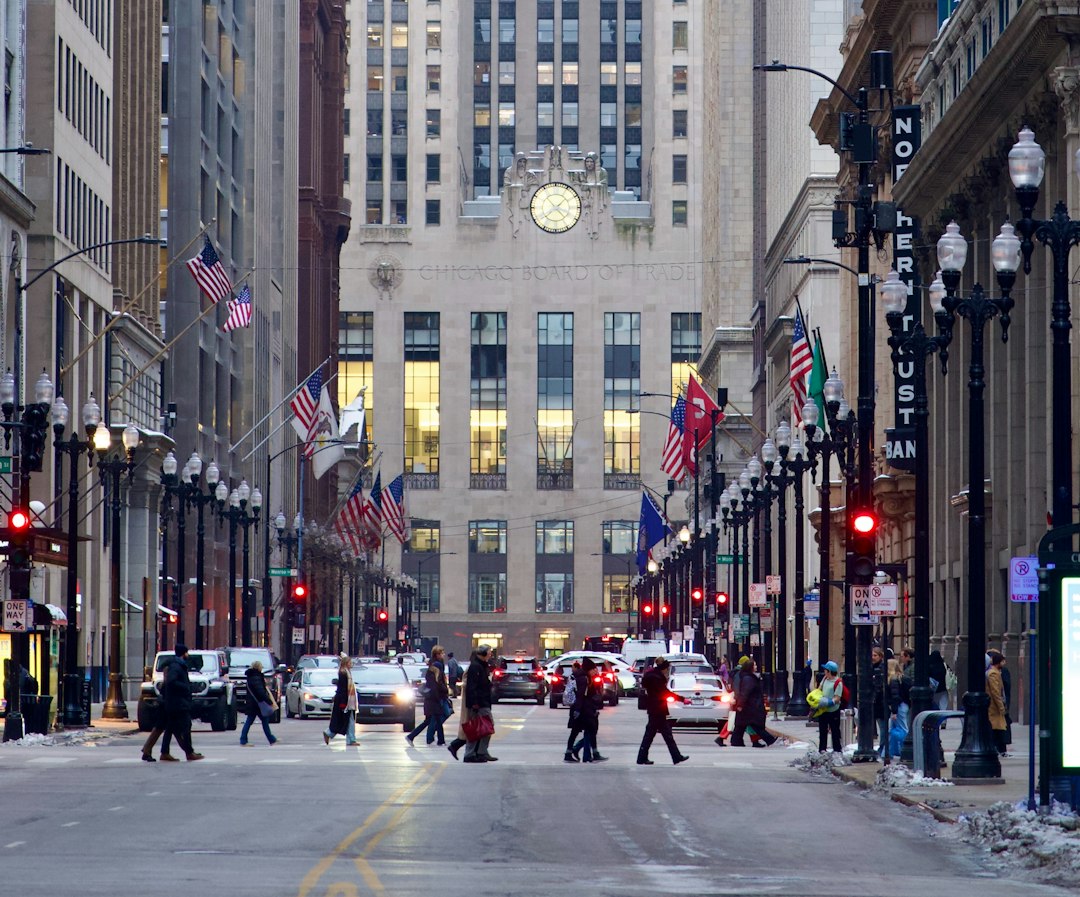
Photo by Forrest Chai on Unsplash
Discover more from City Towner
Subscribe to get the latest posts sent to your email.