The Murder of Sylvia S. Holtzclaw at Blue Ridge Savings Bank in Greer South Carolina
On May 16, 2003, a routine Friday at a small community bank in Greer, South Carolina ended in a burst of violence that left 3 people dead and a town searching for answers that never fully arrived. Sylvia S. Holtzclaw, a bank employee known for her reliability and kindness, was working at Blue Ridge Savings Bank when an armed robbery unfolded inside the building. By the time law enforcement responded, Sylvia and 2 customers, James E. Barnes and Margaret Barnes, had been shot to death.
The case became one of the most notorious unsolved crimes in the Upstate. It was not only the brutality of the killings, but also the setting that shook people. A bank in the middle of the day is supposed to be safe, structured, and watched. It is a place of cameras, schedules, and predictable traffic. That sense of order is exactly what was broken in Greer.
Blue Ridge Savings Bank In Greer And The People Inside
Blue Ridge Savings Bank sat along East Frontage Road in Greer, part of a corridor where businesses and roads connect quickly to nearby towns and highways. It was the kind of place where customers were often familiar faces and employees built long term relationships with the community. On that Friday, Sylvia was doing what she had done countless times before, helping customers with transactions and keeping the daily rhythm moving.
James and Margaret Barnes were customers who walked into the bank expecting nothing more than paperwork and a few minutes at the counter. The ordinary nature of their presence is part of what makes the crime so painful. They were not taking risks, not walking into a hidden space, not meeting strangers. They were inside a bank in daylight, a setting most people trust.
The robbery would turn that trust into tragedy in a matter of moments.
May 16, 2003 And The Robbery That Became A Triple Homicide
At about 1:30 p.m. on May 16, 2003, an armed robbery occurred at the bank. The available public facts describe a rapid escalation from robbery to homicide. A silent alarm was triggered, sending a warning that something was wrong inside the building. Responding officers arrived soon after, expecting a robbery in progress, and instead encountered a scene that was far worse.
Sylvia Holtzclaw and the Barnes couple were found deceased from gunshot wounds. Reports have described the victims being located in a back area of the bank rather than in the open lobby, suggesting they were moved or directed away from public view during the crime. That detail matters because it implies control and intention. It suggests the offender did not simply panic and fire at random. It suggests a deliberate sequence, where the victims were isolated, the environment was managed, and then lethal force was used.
The transition from robbery to murder is one of the defining mysteries in this case. Bank robbers often want speed and escape. Killing 3 people increases risk, increases attention, and invites aggressive pursuit. Yet that is exactly what happened, which has led many observers to believe the offender was either unusually reckless, unusually confident, or motivated by something beyond money.
The Crime Scene And The Questions That Followed
The bank setting raises immediate investigative questions. Who entered the building, and how. Did the offender come in like a normal customer, blending into the routine. Did the person have a disguise. Did anyone outside notice a vehicle. Did anyone see someone lingering near the entrance or watching the lot.
A bank also raises questions about evidence that is usually present. Cameras, alarms, procedures, and physical layout can all help reconstruct a crime. Yet even in environments built for security, investigations can hit walls if the offender controls their exposure, avoids leaving usable identifiers, and escapes quickly onto roads that connect to multiple counties.
The location in Greer also mattered. The area is close to major routes that can carry a person toward Greenville, Spartanburg, or out of state. A suspect who planned an escape could have left the scene and disappeared into traffic before police had a clear description.
The Victims And The Human Loss Behind The Headlines
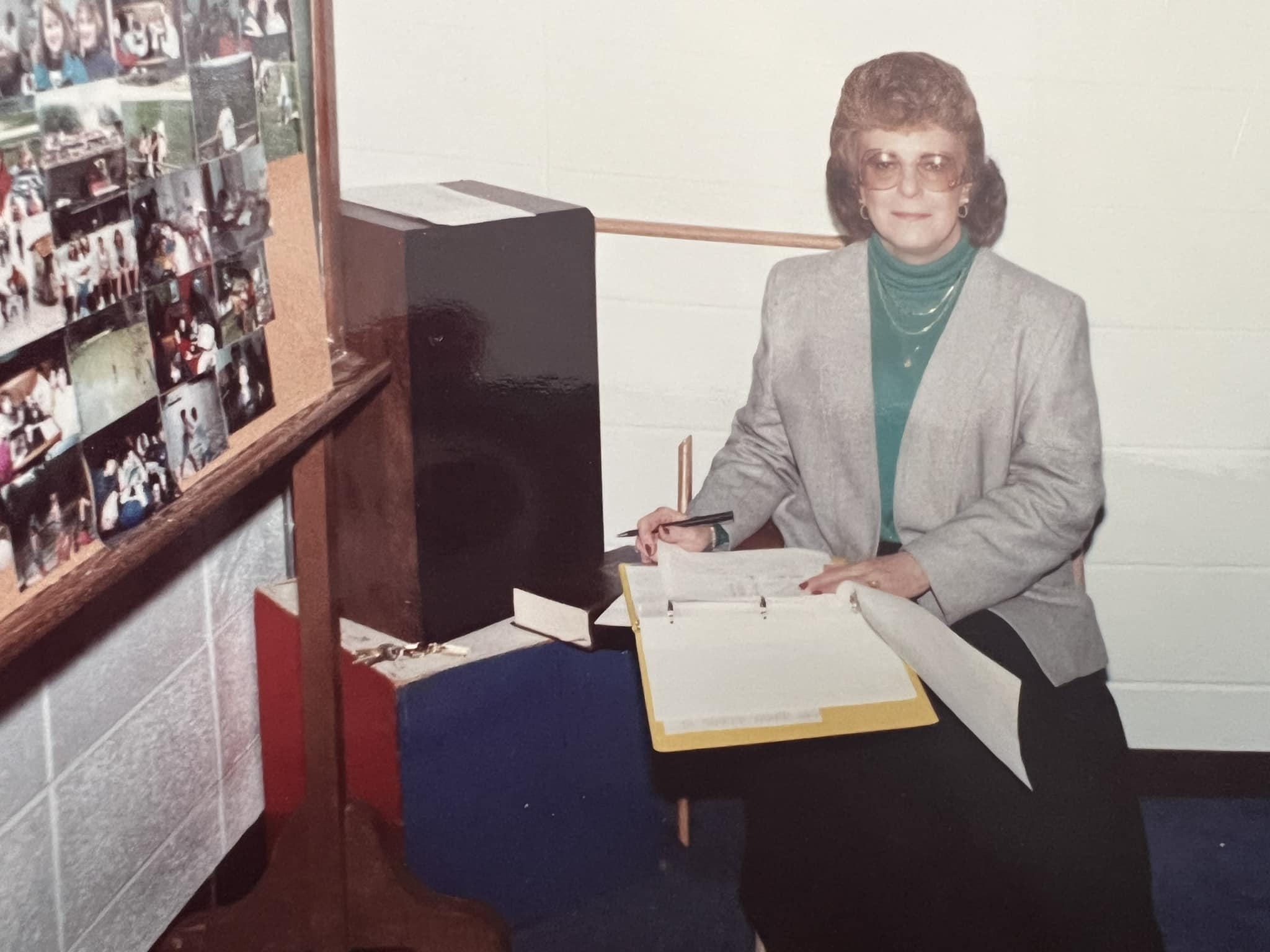
Sylvia S. Holtzclaw was 56. She was a person with family, history, and a life built over decades. In community crimes like this, victims are not distant names. They are people neighbors recognize, relatives remember, and coworkers feel in the empty space of a workplace that will never be the same.
James and Margaret Barnes were not only victims of violence, but symbols of vulnerability. Couples walking into a bank together represent stability and everyday life. Their deaths carried a specific kind of grief for the community because it felt like an attack on normalcy itself.
In the aftermath, families faced two layers of trauma. The first was the sudden loss. The second was the absence of closure. When a case remains unsolved, grief does not settle into a final shape. It stays active, reshaping itself each time a lead fails, each time an anniversary passes, each time a new rumor surfaces and then collapses.
The Investigation And The Long Shadow Of An Unsolved Case
A triple homicide at a bank brings intense law enforcement attention. Investigators typically examine employee schedules, customer patterns, alarm data, physical evidence, and any reports of suspicious behavior in the days leading up to the crime. They reconstruct the timeline minute by minute, trying to determine when the offender entered, how long they stayed, and how they exited.
They also look for the motive behind the killings. Was it panic after the alarm was triggered. Was it an attempt to remove witnesses. Was it rage. Was it a personal connection to someone inside. The difficulty is that motive often depends on identifying the offender, and identification often depends on evidence that points to motive. When neither is clear, the case can stall.
Over time, the lack of an arrest in the Blue Ridge Savings Bank case became part of the story. The community continued to remember the victims, and investigators continued to receive tips, but the kind of breakthrough needed to close a case like this can be rare. It often requires one of a few things: a confession backed by facts only the offender would know, a forensic development that links evidence to a person, or a witness finally deciding to speak after years of silence.
Why The Case Still Matters In Greer
Some crimes become part of a town’s identity, not because people want them to, but because they reveal how fragile everyday safety can be. The murder of Sylvia Holtzclaw and the Barnes couple still matters because it happened in a place that represents trust. A bank is where paychecks are deposited, savings are built, and families handle the practical details of life. The idea that someone could turn that space into a killing ground remains disturbing years later.
The case also matters because it left a question hanging in the air: how does a person commit a robbery and triple homicide in daylight and avoid being held accountable. That question fuels public attention and keeps the story alive across generations, even for people who were not in Greer in 2003.
It also matters because remembrance is a form of resistance. Communities remember victims to keep them from being reduced to a statistic, and to keep pressure on the idea that the crime can still be solved.
The Lasting Reality Of May 16, 2003
On May 16, 2003, Sylvia S. Holtzclaw went to work at Blue Ridge Savings Bank in Greer, South Carolina, expecting a normal day. James and Margaret Barnes entered the bank expecting a normal transaction. Instead, an armed robbery ended with all 3 being shot to death, leaving behind a case defined by violence, shock, and the long ache of unanswered questions.
The details that are publicly known outline the tragedy, but they do not explain the why, the who, or the full how. That is the weight of an unsolved crime. It leaves families holding the same beginning forever, unable to reach an ending.
Discover more from City Towner
Subscribe to get the latest posts sent to your email.