Andre J. Davis Killed By a Stray Bullet in Albuquerque New Mexico
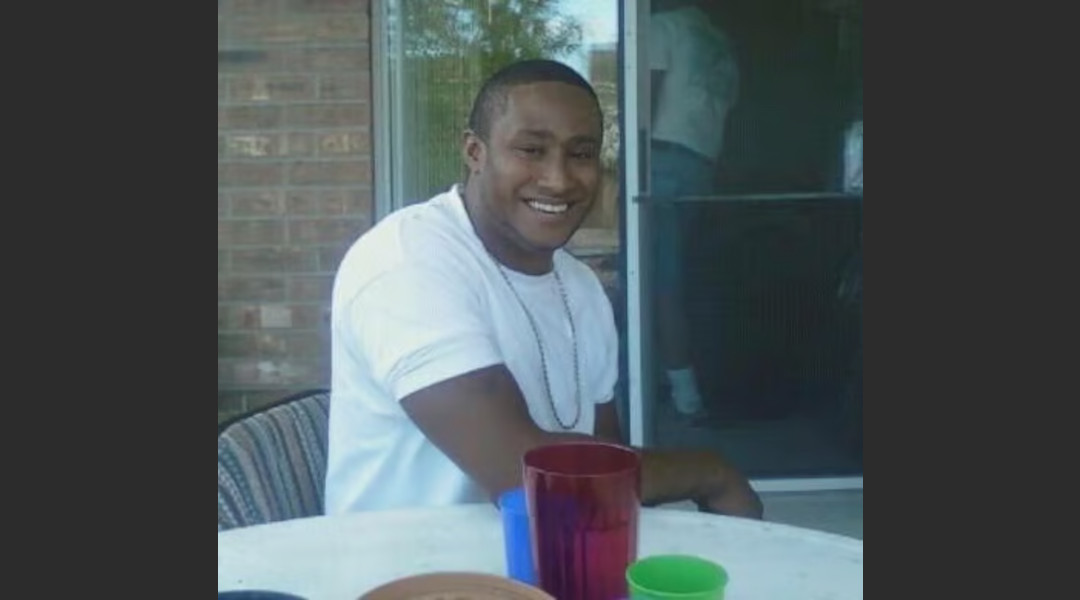
On August 17, 2011, Andrae J. Davis was killed in Albuquerque, New Mexico, in a sudden act of violence that reached him inside the place where he should have been safest. He was 31 years old, a father, a fiancé, and a man whose life centered around his family. His death was especially heartbreaking because he was not accused of being part of the conflict that led to the gunfire. Instead, he became the victim of a stray bullet fired during a disturbance outside his apartment.
The shooting happened at the Eagle Nest Condominiums in southeast Albuquerque. Davis had reportedly spent part of the evening at a park with his fiancée and children before returning home. What began as an ordinary night with family quickly turned into a tragedy when an argument or fight broke out near his apartment. Davis was inside his home when he looked through the peephole of his front door to see what was happening outside. At that moment, a gun was fired. The bullet pierced the door and struck him, leaving his loved ones to witness a horrifying scene unfold inside their home.
Davis’ killing became one of the painful unsolved homicide cases tied to Albuquerque, a city that has seen many families search for justice after sudden violence. His family was left with grief, questions, and the burden of knowing that someone fired the shot that took his life but had not been publicly held criminally accountable. In the years that followed, the case also raised broader questions about safety, property management, and responsibility at the condominium complex where the shooting took place.
A Family Man Killed at Home
Andrae J. Davis was more than the victim of a homicide. He was a father of three and a man with people who loved him, depended on him, and expected him to come through the front door safely after ordinary moments like a trip to the park. The details surrounding the night of his death show how quickly violence can destroy a family’s sense of security.
On the evening of August 17, 2011, Davis was reportedly with his fiancée and children. They had been at a park before returning to their apartment at the Eagle Nest Condominiums. For many families, that kind of evening would have ended quietly. Children would settle in, adults would relax, and the home would return to its usual rhythm. For Davis and his family, the night took a devastating turn when trouble outside the apartment came dangerously close to their door.
Reports of the case describe a confrontation outside the apartment involving other men. Davis was not said to be involved in the dispute. He was not described as one of the people arguing, fighting, or escalating the situation. Instead, he was inside his own residence when the outside disturbance drew his attention. Like many people would do if they heard a fight or commotion outside their home, he went to the door and looked through the peephole.
That simple act placed him in the path of a bullet. The shooter fired outside the apartment, and the bullet traveled through the front door. Davis was struck in the chest or heart area and fatally wounded. His fiancée and children were nearby, making the trauma even more devastating. A man who had just returned home with his family was suddenly gone, killed not in the street, not in a planned confrontation, but inside his own home.
The Shooting at Eagle Nest Condominiums
The Eagle Nest Condominiums became the center of the investigation and later the center of a civil case connected to Davis’ death. The complex was located in southeast Albuquerque, an area where residents lived in close quarters and where disputes between people could quickly affect families who had nothing to do with them.
On the night of the shooting, an argument or physical fight reportedly broke out outside Davis’ apartment. The available accounts indicate that the confrontation was not with Davis and that he was not the intended target. Instead, the violence outside his door spilled into his home when someone fired a gun.
The bullet went through Davis’ front door and struck him while he was looking through the peephole. This detail became one of the most shocking parts of the case because it showed that even a closed door did not protect him. He was not standing outside. He was not exchanging words with the shooter. He was not confronting anyone. He was inside the apartment, trying to see what was happening just beyond the door.
The shooting left his family in immediate crisis. Emergency response followed, but Davis did not survive. He died from the gunshot wound, and his loved ones were left with an unbearable memory of the moment violence entered their home.
His death also raised questions about what had been happening at the property before the shooting. Later civil claims focused on whether the condominium association and property management company had ignored warning signs, failed to enforce rules, or allowed a dangerous situation to continue. While those questions did not replace the need to identify the person who fired the gun, they became part of the larger story of accountability after Davis’ murder.
The Search for the Shooter
The criminal side of Andrae J. Davis’ case remained painful because the person responsible for firing the fatal shot was not publicly identified as having been arrested and convicted. Police investigated the shooting, but the case continued to be described as unsolved.
In homicide cases involving stray bullets, investigators often face difficult challenges. Witnesses may fear retaliation. People involved in the original dispute may flee, refuse to cooperate, or give conflicting statements. The intended target may also be reluctant to speak. When multiple people are involved in an argument and a gun is fired quickly, the truth can become buried under fear and silence.
Davis’ family reportedly sought answers and even pushed for information from the public. The case was not just about knowing that a bullet killed him. His loved ones wanted to know who fired it, why that person was armed, who else was present, and why no one had been made to answer criminally for the loss of a man who had been inside his own apartment.
Some accounts connected to the case mention persons of interest and the possibility that individuals involved in the confrontation left the area. However, the central public fact remained that the shooter was not brought to justice in a way that gave the family full closure. For the family of a homicide victim, that kind of uncertainty can keep grief open for years. It is not only the loss that hurts, but the feeling that the person responsible was able to continue life while the victim’s family carried the consequences forever.
A Civil Case and a $12 Million Judgment
Although the criminal case remained unresolved, Davis’ family pursued accountability through a civil lawsuit. The lawsuit focused on the Eagle Nest Condominium Association and the property management company connected to the complex. The family argued that failures related to safety, tenant screening, and enforcement of property rules contributed to the conditions that led to Davis’ death.
In March 2015, Davis’ family was awarded $12 million. The civil judgment did not mean the shooter had been criminally convicted. Instead, it reflected a jury’s decision that other parties bore responsibility in connection with the circumstances surrounding the shooting. The case highlighted a broader issue that often appears after violent incidents at apartment complexes and condominium communities: what duty do property owners, associations, and managers have when they know about dangerous conditions or repeated problems?
The lawsuit reportedly argued that the complex had rules and procedures that should have been enforced. It also raised concerns about whether people living at or connected to the property had been properly screened and whether earlier trouble had been adequately addressed. The family’s legal victory was significant because it recognized that Davis’ death was not only a random tragedy, but also an event that might have been prevented if proper steps had been taken.
For Davis’ loved ones, no amount of money could replace him. A $12 million judgment could not bring back a father, erase what his children saw, or undo the moment a bullet passed through the door. Still, the civil case gave the family one form of public accountability. It also sent a message that communities and property managers cannot ignore safety concerns when families are living under their care.
The Pain of an Innocent Bystander Case
The murder of Andrae J. Davis is especially painful because he appears to have been an innocent bystander. He was not the person involved in the argument outside his home. He was not reported to be the intended target. His death came because someone else chose to bring a gun into a conflict and fire it without regard for who might be harmed.
Innocent bystander cases leave families with a particular kind of grief. There is often no explanation that makes sense. The victim did not provoke the violence. The victim did not choose to be part of the danger. The victim simply happened to be in the wrong place when someone else made a deadly decision. In Davis’ case, even the phrase “wrong place” feels unfair because he was inside his own home. He was exactly where he had every right to be.
His children lost their father because a conflict outside their door turned deadly. His fiancée lost the man she planned to build a future with. His family lost someone they loved, and they had to live with the knowledge that his final moments came during an act of violence he did not start.
The fact that the bullet traveled through the door also turned a symbol of safety into part of the tragedy. A front door usually represents protection, privacy, and separation from outside danger. For Davis, that barrier failed because a bullet does not respect walls, doors, or family life. The shooting showed how reckless gunfire can destroy lives far beyond the person a shooter may have intended to harm.
A Case That Still Matters
More than a decade after August 17, 2011, the murder of Andrae J. Davis still matters because it represents the kind of case that should not fade into a forgotten file. His name belongs in the public record not only as a homicide victim, but as a father and family man whose life was taken inside his own home.
The case also matters because unsolved homicides leave communities with unanswered questions. When a killing is not fully resolved, the pain does not remain only with the victim’s family. It sends a message through neighborhoods that violence can happen without clear consequences. It makes witnesses more afraid. It makes families wonder whether justice depends on persistence, luck, or public attention.
Davis’ story is also a reminder that violence outside a home can become violence inside a home in an instant. Arguments that involve firearms do not stay contained. A single shot can pass through a door, a wall, a window, or a vehicle and strike someone who had nothing to do with the conflict. That is what happened to Davis, and that is why his death continues to stand as a warning about reckless violence and the innocent lives it destroys.
His family’s civil victory helped bring attention to the conditions at the property and the responsibilities of those in charge of residential communities. But the deeper wound remained the loss of Davis himself. The legal outcome may have acknowledged failures connected to the complex, but the emotional reality was far greater. A family had to move forward without a father, a partner, and a loved one.
Remembering Andrae J. Davis
Andrae J. Davis should be remembered as a man whose life was bigger than the way he died. He was 31 years old when he was killed, still young enough to have many years ahead of him. He had children to raise, memories to make, and a future that was taken without warning. His killing was not just another crime statistic in Albuquerque. It was the destruction of a family’s normal life.
On August 17, 2011, Davis returned home with his family. That detail matters because it captures the ordinary human side of the story. He was not doing anything unusual. He was not expecting violence. He was living his life, spending time with the people closest to him, and coming back to the place where they should have been safe.
The gunfire outside his apartment changed everything. A bullet pierced the front door and struck him while his family was nearby. From that moment forward, his loved ones were forced into a painful search for answers and accountability. They had to grieve publicly, pursue justice, and keep his memory alive while facing the reality that the person who fired the fatal shot had not been publicly brought to justice.
The murder of Andrae J. Davis remains a tragic example of how one reckless act can steal an innocent life. It is a story about a father killed at home, a family left behind, and a community reminded that violence does not only affect those who choose it. Sometimes it reaches through a closed door and takes someone who had nothing to do with it.
Discover more from City Towner
Subscribe to get the latest posts sent to your email.