The Unsolved Murder of Lonzo Mitchell: Washington, DC, September 21, 2010
On the evening of September 21, 2010, the 900 block of Southern Avenue SE in Washington, DC, became the scene of a violent tragedy. Lonzo Mitchell, a beloved son and father of five, was shot and killed at approximately 7:55 pm. More than a decade later, the case of Lonzo Mitchell’s murder remains unsolved, leaving a family in mourning and a community searching for answers. This article examines the known facts, the investigation, and the broader context of violence in Washington, DC, while exploring the impact of unsolved homicides on victims’ families and neighborhoods.
The Night of September 21, 2010
According to official reports, Lonzo Mitchell was fatally shot in the 900 block of Southern Avenue SE, a busy corridor on the southeastern edge of Washington, DC. The Metropolitan Police Department (MPD) responded to the scene shortly after the incident, but no suspect was immediately apprehended. News of the murder quickly spread through the community, as friends, family, and neighbors grappled with the loss of a man described as a loving father and devoted son.
Who Was Lonzo Mitchell?
Lonzo Mitchell’s legacy is defined not only by the circumstances of his death, but by the life he led. Public records and obituary notices reveal that he was the cherished son of Lottie Mitchell and the father of five daughters. Those who knew him remember him as a caring parent and a valued member of his community. His death left a profound void in the lives of his family and friends, who continue to seek justice and closure.
The Investigation: What We Know
Details about the events leading up to Mitchell’s murder are limited, but available information points to a confrontation that escalated into violence. Reports mention a fight between Mitchell and another man, identified in some accounts as Hargrave. Witnesses and surveillance footage reportedly captured an argument and physical altercation between the two, but the crucial moments of the shooting were not recorded on video.
- Surveillance Evidence: According to a lead MPD detective, video footage shows Mitchell entering a lounge in an “aggressive” manner, arguing with multiple people. A witness claimed to have heard Mitchell threaten to kill someone.
- The Altercation: The footage shows Mitchell leaving the lounge, with Hargrave following behind. Witnesses described a fight breaking out between the two men outside the establishment.
- The Shooting: While the video did not capture the actual shooting, it ended with Hargrave on the ground and Mitchell walking away. Clothing found in Mitchell’s car allegedly matched what the suspect was seen wearing during the incident.
Despite these details, no one has been definitively charged or convicted in connection with Lonzo Mitchell’s murder. The lack of conclusive evidence, particularly video of the shooting itself, has complicated efforts to bring the case to a close.
Legal Proceedings and Challenges
The case saw some movement in the courts, with hearings and arguments over the evidence and the circumstances of the altercation. Defense counsel for the accused argued that Mitchell may have acted in self-defense, noting that he left the lounge unaware that Hargrave was following him. Prosecutors, on the other hand, emphasized the aggressive behavior seen on surveillance video and the presence of a weapon.
Ultimately, the presiding judge found probable cause based on the available footage and witness statements, but denied pretrial release to the defendant, citing concerns for community safety. However, the lack of a clear suspect and the unresolved questions about who fired the fatal shot have left the case officially unsolved.
Impact on the Family and Community
The loss of Lonzo Mitchell reverberated through his family and the wider Washington, DC, community. As the father of five daughters, his absence has been especially hard on his children, who must contend with the trauma of losing a parent to violence. His mother, Lottie Mitchell, and other loved ones have continued to advocate for answers, hoping that renewed attention to the case might lead to justice.
Unsolved homicides like Mitchell’s contribute to a sense of insecurity and frustration in affected neighborhoods. Families are left with unanswered questions and little closure, while communities may feel that justice is out of reach. The lack of resolution can also hinder trust in law enforcement and the criminal justice system.
Violence in Washington, DC: A Broader Context
The murder of Lonzo Mitchell occurred during a period when Washington, DC, faced persistent challenges with gun violence and unsolved homicides. While the city has made progress in reducing overall crime rates in recent years, certain neighborhoods—particularly those in Southeast DC—continue to experience high rates of violent crime. The 900 block of Southern Avenue SE, where Mitchell was killed, is no exception.
- Gun Violence: Firearm-related homicides remain a significant concern in DC, with many cases involving young men and disputes that escalate rapidly.
- Unsolved Cases: Like many urban centers, DC faces difficulties in solving all homicides, often due to lack of witnesses, insufficient evidence, or community reluctance to cooperate with police.
- Community Impact: Each unsolved murder leaves families grieving and neighborhoods on edge, highlighting the need for comprehensive strategies to address violence and support victims.
Why Do Some Homicides Remain Unsolved?
Several factors contribute to the persistence of unsolved homicide cases in urban environments like Washington, DC:
- Lack of Witness Cooperation: Fear of retaliation, distrust of law enforcement, or a “no snitching” culture can discourage witnesses from coming forward.
- Insufficient Evidence: Without physical evidence, such as surveillance footage or forensic links, cases can stall.
- Resource Constraints: Law enforcement agencies may be stretched thin, impacting their ability to thoroughly investigate every case.
- Complex Circumstances: Many homicides involve complicated interpersonal dynamics that make it difficult to establish motive or identify the perpetrator.
In Lonzo Mitchell’s case, the combination of a chaotic altercation, lack of direct video evidence, and conflicting witness accounts has meant that justice remains elusive.
Remembering Victims and Supporting Families
For families like the Mitchells, the pain of an unsolved homicide does not fade with time. Advocacy groups and victim support organizations in DC work to keep cases in the public eye, offer counseling and assistance, and encourage community members to share information that might help solve crimes.
Efforts to solve cold cases often rely on renewed public attention, advances in forensic technology, or changes in witness willingness to testify. While not all cases are resolved, persistent advocacy can make a difference.
What Can You Do?
If you have any information about the murder of Lonzo Mitchell or other unsolved homicides in Washington, DC, you can contact the Metropolitan Police Department anonymously. Community involvement is crucial for bringing closure to families and improving safety for all residents.
- MPD Unsolved Homicides Page
- Crime Solvers Tip Line: 1-888-919-CRIME
Conclusion: Seeking Justice for Lonzo Mitchell
The murder of Lonzo Mitchell on September 21, 2010, remains a haunting and unresolved chapter in Washington, DC’s history. As time passes, the urgency to solve this case and others like it only grows, driven by the determination of families, advocates, and law enforcement. Remembering victims and supporting ongoing investigations are essential steps in the pursuit of justice.
If you or someone you know has information that could help close this case, consider reaching out to authorities. Every piece of information brings us closer to answers—and to the justice that Lonzo Mitchell’s family deserves.
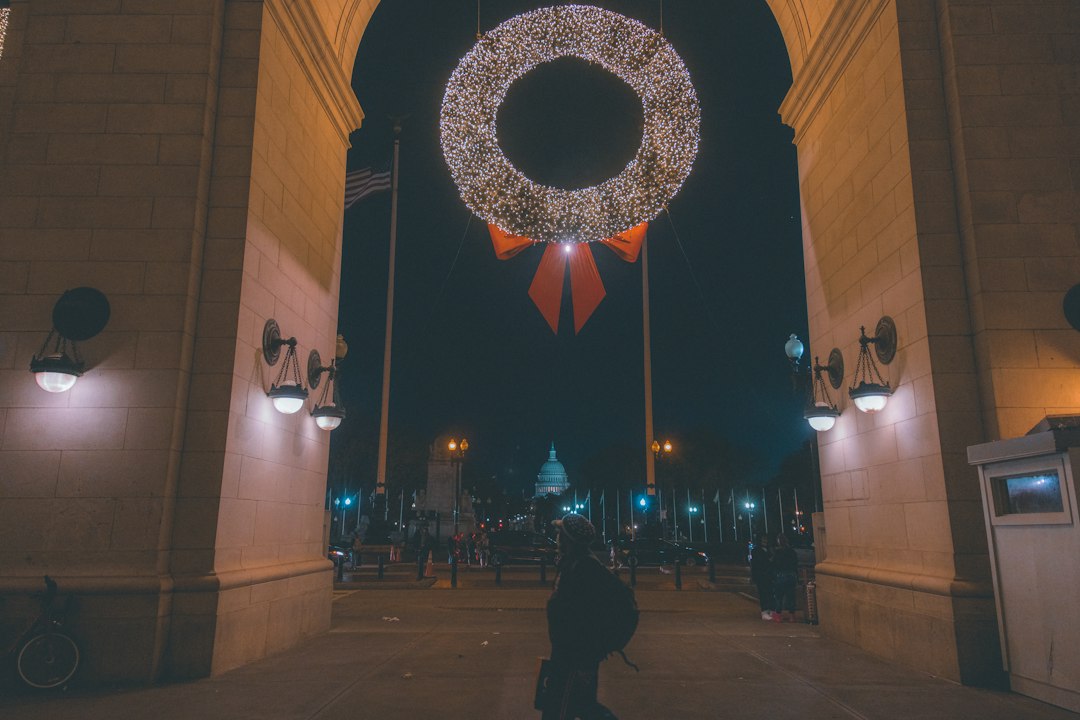
Photo by Caleb Fisher on Unsplash
Discover more from City Towner
Subscribe to get the latest posts sent to your email.