The Overlooked Case of Rayjon Simmons: Murdered in Oakland, CA on February 27, 2015
On the morning of February 27, 2015, the intersection of 89th Avenue and International Boulevard in East Oakland became the scene of a tragedy that would largely go unnoticed by the broader public. Rayjon Simmons, a 19-year-old Oakland resident, was fatally shot at around 10:30 a.m. Despite the violence and loss, his murder received minimal media attention. The story of Rayjon Simmons is not just about a young life cut short, but also about the many victims of urban violence whose stories fade quickly from the headlines, leaving families and communities searching for justice and recognition.
The Day of the Shooting
According to police reports and a handful of local news stories, officers responded to reports of gunfire at the busy intersection of 89th Avenue and International Boulevard. The city’s ShotSpotter system, designed to detect gunshots, alerted law enforcement to the incident. When officers arrived, they found Simmons suffering from multiple gunshot wounds. He was pronounced dead at the scene. The shooting occurred in broad daylight, near a supermarket, in an area of East Oakland that has long struggled with high rates of violent crime.
Despite the location and time, few details about the circumstances surrounding Simmons’ death have been made public. There was no immediate information about suspects or motives. No arrests have been reported in connection with the case, and the lack of follow-up coverage suggests that Simmons’ murder remains unsolved.
Media Silence and Community Response
One of the most striking aspects of Rayjon Simmons’ case is the near silence from local media. The initial report from the Tribune did not even mention his name, simply describing the victim as a 19-year-old man. Only later, in an annual summary of Oakland homicides, did Simmons’ name and a photo of his street memorial appear. Other major outlets provided brief mentions, but there was no in-depth reporting or community profile, no appeals for witnesses, and little public pressure on authorities to solve the case.
This lack of coverage is unfortunately common in neighborhoods where gun violence is frequent. In 2014, the year before Simmons was killed, there were 86 homicides in Oakland, 17 of them in the 94621 ZIP code that includes the intersection where he died. For many victims, especially young Black men in East Oakland, the pattern is the same: a short news item, a grieving family, and then silence.
Street Memorials: Honoring the Lost
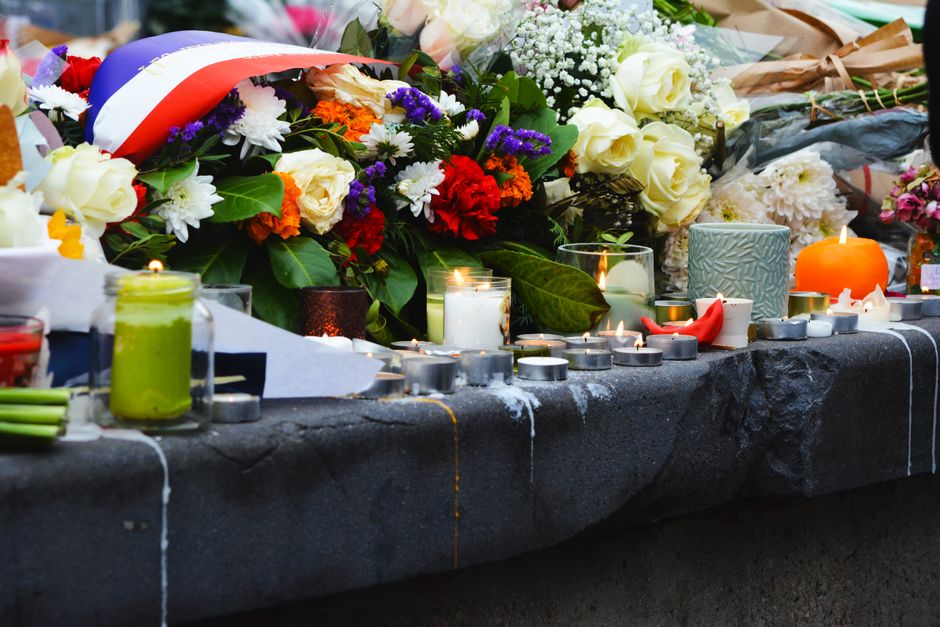
Despite the lack of media attention, Simmons was not forgotten by his community. A memorial of candles, flowers, and personal items appeared at the site of his death. Such street shrines are a common form of remembrance in Oakland, serving as both a public mourning space and a protest against the normalization of violence. Photos from the Tribune’s murder summary show friends and community members gathered at the shrine, a testament to the impact Simmons had on those around him.
The Broader Context: Violence in East Oakland
East Oakland has long been one of the city’s most violent areas, with a complex web of causes including poverty, limited economic opportunity, and strained police-community relations. The intersection of 89th Avenue and International Boulevard is a busy commercial corridor, but also a hotspot for crime. In the years surrounding Simmons’ death, Oakland was struggling to address its homicide rate, which, while lower than in previous decades, remained among the highest in California.
Many young people in neighborhoods like Elmhurst (where the shooting occurred) grow up with the constant threat of violence. For families, each murder is not just a statistic, but a deeply personal loss. Yet, the lack of attention to cases like Simmons’ can reinforce a sense of invisibility and hopelessness.
Unsolved Murders and the Quest for Justice
Unsolved homicides are a persistent problem in Oakland and other cities with high rates of gun violence. Witness cooperation can be difficult to obtain, either because of fear of retaliation or distrust of the police. In the case of Rayjon Simmons, no suspects have been named, and there are no public leads. The passage of time can make solving such cases even more challenging, as memories fade and evidence can be lost.
For the families of victims, the lack of resolution compounds their grief. Many turn to community organizations, vigils, and social media to keep their loved ones’ memories alive and to seek justice outside the traditional criminal justice system.
Remembering Rayjon Simmons
While there is little public information about Rayjon Simmons’ life, the memorial on 89th Avenue speaks to the fact that he was loved and missed. Friends and neighbors gathered to honor him, and his name is now part of the ongoing conversation about violence and loss in Oakland. His story is a reminder of the many young people whose deaths do not make headlines, but whose absence is deeply felt by those who knew them.
- Name: Rayjon Simmons
- Age: 19
- Date of death: February 27, 2015
- Location: 89th Avenue and International Boulevard, East Oakland, CA
- Circumstances: Fatally shot; no suspects publicly identified
How the Community Can Help
Unsolved homicide cases depend on information from the public. Local organizations and law enforcement agencies often encourage anyone with knowledge about a crime to come forward. In the case of Rayjon Simmons, tips can still be provided anonymously to Oakland Police or through crime tip lines. Community members can also support efforts to prevent violence by participating in neighborhood watch programs, supporting youth organizations, and advocating for systemic change in how violence is addressed and reported.
Resources for Victims’ Families
- Oakland Victim Support Services
- Report a Crime in Oakland
- 2-1-1 Bay Area (for counseling and support)
- Oakland Police Tip Line
The Importance of Telling These Stories
The case of Rayjon Simmons highlights the need for more comprehensive and compassionate reporting on urban violence. Every victim deserves to be remembered, and every family deserves answers. Media outlets, community organizations, and city officials all play a role in ensuring that these stories are not forgotten. By shining a light on cases that receive little coverage, we can honor the lives lost and push for greater accountability and justice.
Conclusion: Moving Forward
Rayjon Simmons’ murder remains unsolved, but his memory lives on in his community and in the hearts of those who knew him. His story is a call to action for anyone concerned about violence, justice, and the value of every human life. If you have information about this case, consider reaching out to the authorities. If you are moved by this story, support organizations working to prevent violence and support victims’ families. Every step toward justice and remembrance matters.
For more on unsolved homicides and the broader impact of violence in Oakland, explore our 2015 murders and 2010s homicides archives.
Photo by Noe Garde on Pexels
Discover more from City Towner
Subscribe to get the latest posts sent to your email.