City Skate Park in Port St. Lucie Florida
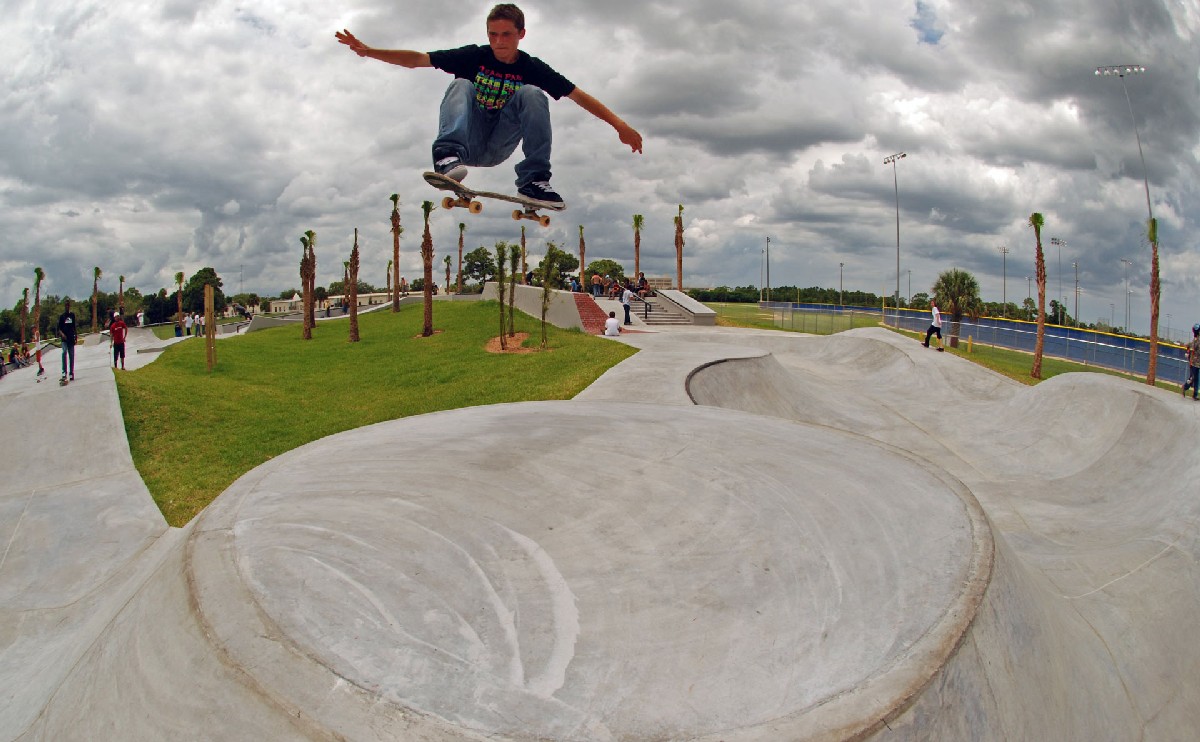
City Skate Park in Port St. Lucie is the kind of community space that turns daylight into momentum. From first push to last trick, it’s a place where you can feel wheels humming across concrete, hear trucks bite into coping, and watch new riders discover the simple joy of rolling. The park blends thoughtful design with a welcoming scene, so a beginner can learn to drop in while a seasoned skater strings together lines that make the whole park feel like a single, flowing feature. It’s fitness, creativity, and culture—wrapped in one smooth slab.
A Purpose-Built Playground for Wheels
City Skate Park isn’t a plaza with a few rails bolted on; it’s a purpose-built environment for skateboards, scooters, and BMX bikes during designated hours. The layout balances flow and variety: a street section for technical lines, a transition zone for speed and carving, and mellow connectors so riders never feel trapped in one corner. Clear sightlines reduce collisions, and features are spaced to let multiple sessions happen at the same time without constant near-misses.
First Impressions: Space That Invites Progress
Stand at the gate and you see progression literally mapped out. Nearest the entrance, low curbs, flatbars, and wide banks greet newer riders. Farther in, quarter pipes rise a bit taller, banks pinch a little steeper, and ledges tighten their angles. The message is subtle but effective: start where you feel comfortable today, and the next step is just a few feet away when you’re ready.
The Street Course: Ledges, Rails, and Realistic Geometry
The street area reads like a condensed city block—without the cracks and traffic. Expect:
- Manual pads and butter benches at “try it ten times” height.
- Ledges with both steel and raw concrete edges, so you can practice grinds and slides in different feels.
- Flatbars and down rails in progressive heights, from ankle-high confidence builders to proper handrail practice.
- Euro gaps, hips, and pyramids that reward clean pop and good board control.
- Stair sets (from two to five or six) paired with adjacent banks so you can learn the motion before you commit to stairs.
The geometry encourages linking tricks together—ollie into the hip, quick manual across a pad, pivot to a rail, then a wide bank to reset for your next idea.
Transition and Bowl Lines: Speed, Carve, and Air
The transition zone is the park’s heartbeat. You’ll find:
- A flow bowl with shallow, medium, and deeper pockets connected by hips and spine transfers, ideal for carving lines and practicing airs.
- A speed wall (taller quarter pipe) that slingshots you across the park with one pump.
- Extensions and love-seats that force creative lines and reward precise board placement.
- Pool coping on select corners for skaters who want that classic grind feel, contrasted with smooth steel coping elsewhere.
Transitions are poured with consistent radii, so once you lock into the timing of one pocket, the rest feel intuitive.
Surface and Finish: The Unsung Hero
Good concrete is a safety feature and a performance enhancer. The park’s finish lands in the sweet spot between slick and sticky—fast enough to carry speed across flats, grippy enough to trust on lock-in tricks. Drainage channels pull water away after showers, rounded deck edges reduce ankle hits, and beveled joints keep wheels from chattering at seams.
Lighting, Shade, and Florida Reality
This is Florida—heat and sudden rain happen. Evening lighting stretches skateable hours into cooler nights. Shade sails or tree lines (where present) give spectators relief and create natural “reset zones” between runs. After summer downpours, the design’s fall lines direct water to low points, and most of the park dries quickly with a few minutes of sun and breeze.
A Culture of Etiquette That Makes Everyone Better
Great sessions depend on more than good concrete. Local etiquette keeps traffic smooth:
- Call your drop and make eye contact.
- Snake less, cheer more. If someone’s setting up for a line, give them space; celebrate their make.
- Flow with the park. Skate with traffic, not against it, especially in the bowl.
- Pick up your things. Phones and water bottles belong well off the deck.
- Respect skill levels. Beginners get room to try; advanced riders set an example by helping and not showing off at others’ expense.
Safety That Doesn’t Kill the Vibe
Helmets for young riders are common sense. Wrist guards and knee pads save months of frustration. Warm up with a few laps, re-set trucks if your board chatters on landings, and keep hydration nearby. The park’s clear fall zones help, but the best safety tool is attention—scan before you drop.
Progression Paths for All Levels
Whether today’s your first push or you’re chasing a tre flip to 5-0, the park supports growth:
- Day 1 rider: Learn to stand, push, and roll off a small bank. Practice kick turns on mellow quarter pipes.
- Early intermediate: Lock 50-50 on a low ledge, frontside/backside. Ride the mini-ramp until carving feels automatic.
- Street-focused skater: Connect basic flat tricks into obstacles—ollie up manual pad, shove-it out; front 50-50 to 180 out on a mid-ledge.
- Transition-focused skater: Pump corners to keep speed, practice rock-to-fakie, then rock-and-roll, then 5-0s and tailslides on coping.
- All riders: Choose one trick to “own” per session, then film a clean make to track progress.
Session Blueprint: 60 Minutes That Work
- Warmup (10 min): Laps, carving, basic manuals, a handful of clean ollies.
- Skill block (20 min): One obstacle, one trick. Count attempts; rest after every five.
- Line work (20 min): Link a three-trick line that fits the park’s flow. Start easy, escalate.
- Cool-down (10 min): Low-impact turns in the bowl, stretch hamstrings and hips, hydrate.
Repeat weekly, and the park becomes your training ground.
Parents and Spectators: How to Support Without Stress
Choose seating with a clear view but outside fall zones. Sunscreen and a hat are essential. Compliment effort over outcome. If a younger rider looks discouraged, suggest “one more try, then a water break.” Celebrate small wins: first roll-in, first grind sound, first carve without scraping tail. Those moments keep kids coming back.
Scooters and BMX: Sharing Space with Respect
Multi-device parks work when everyone honors the flow:
- Scooters: Keep bars close to the body on crowded decks, avoid sudden stops on takeoff ramps, and call drops clearly.
- BMX: Pegs and speed are part of the game—scan wider, announce your lines, and avoid posting up on blind landings.
- Skateboards: Expect different speeds and takeoff styles; patience pays off.
When in doubt, yield to whoever is already in the feature.
Coaching, Clinics, and Community Energy
You’ll often see informal coaching—older skaters offering a tip on foot placement or bowl speed. Organized clinics appear seasonally, focusing on stance, pushing, ollies, basic transition, and safety. These sessions build confidence and give newcomers a friend group, which is the fast lane to sticking with the sport.
Maintenance: Little Habits, Big Impact
Riders keep the park great by doing small things well: brush pebbles off landings, keep wax off surfaces that aren’t meant for it, and pack out trash. After windy days, check for twigs near coping and rail bases; even tiny debris can flip a session. If a feature edge gets rough, report it—small repairs early prevent bigger chips later.
Weather Windows: Beat Heat and Showers
Prime hours are early morning and evening. Midday in summer is for shade, hydration, and trick visualization. After rain, avoid puddle-stomping; it chews edges and bearings. Towel dry small wet spots if you’re determined, but never rush slick concrete—save ankles, save boards.
Design Choices You’ll Feel Under Your Feet
Good parks hide their smartest ideas in the details:
- Staggered feature heights mean you can repeat a trick at gradually higher stakes.
- Generous decks give room to set up, bail safely, and film.
- Open sightlines help you read traffic two features ahead.
- Coping placement varies just enough to teach precision—flush here, proud there.
- Transfer options let you choose risk: safe line today, spicy line tomorrow.
Film Your Progress (Without Becoming a Tripod)
Phones are part of modern skateboarding, but set them up smartly—well off lines and in low-traffic corners. Use a clip-on wide lens if you want more context; shoot landscape for easier edits. A single, well-framed angle of a make beats twenty shaky near-misses.
Inclusivity on the Deck
City Skate Park feels best when everyone belongs. Newcomers, older riders returning after years away, and adaptive athletes all find space. A simple “you got it” travels across ability levels. If someone looks uncertain at the bowl’s lip, offer a spot and tips. That’s how scenes grow.
Gear That Works in Florida
Soft wheels (slightly) tame hot-day sheen on concrete and smooth out small grit. Bearing shields keep out sand. A light shirt, breathable socks, and a brimmed cap help you last an extra thirty minutes. Keep a skate tool in your bag—trucks swell and shrink with temperature; a quarter-turn can restore control.
What to Try If You’re Stuck
Plateaus happen. Switch surfaces (street to transition for a day), reverse your line (clockwise instead of counter), or change your stance focus (fakie fundamentals often unlock new flat-ground tricks). In bowls, think “knees over toes, eyes on exit.” On ledges, look just past the edge you’re grinding—not at your feet.
Respect for Neighbors and Noise
Rolling sound carries. Keep music volume considerate, especially during mornings and evenings. Organize your gear, avoid late-night shouting, and help close on schedule when applicable. A courteous park is a protected park.
Why This Park Matters
Skateparks do more than absorb energy. They teach problem-solving, patience, and community care. City Skate Park gives Port St. Lucie a daily gathering place where effort is visible and encouragement is normal. It’s a health amenity, a youth center without walls, and a canvas for expression that keeps people moving through every season.
Leaving Better Than You Arrived
Wrap sessions with a sweep of your area—bottles, tape, broken bushings, anything that might trip someone tomorrow. Share a tip with a stranger, or film their land if they ask. Those tiny gestures stack up. Over time, they transform concrete into culture.
City Skate Park in Port St. Lucie is more than a set of ramps and rails. It’s a living loop of effort and reward: push, try, fall, laugh, try again, land, cheer. If you come with patience and leave with stoke, you’ll understand why people call it their second home—and why a good session under Florida’s sky can change a whole day.
Discover more from City Towner
Subscribe to get the latest posts sent to your email.