
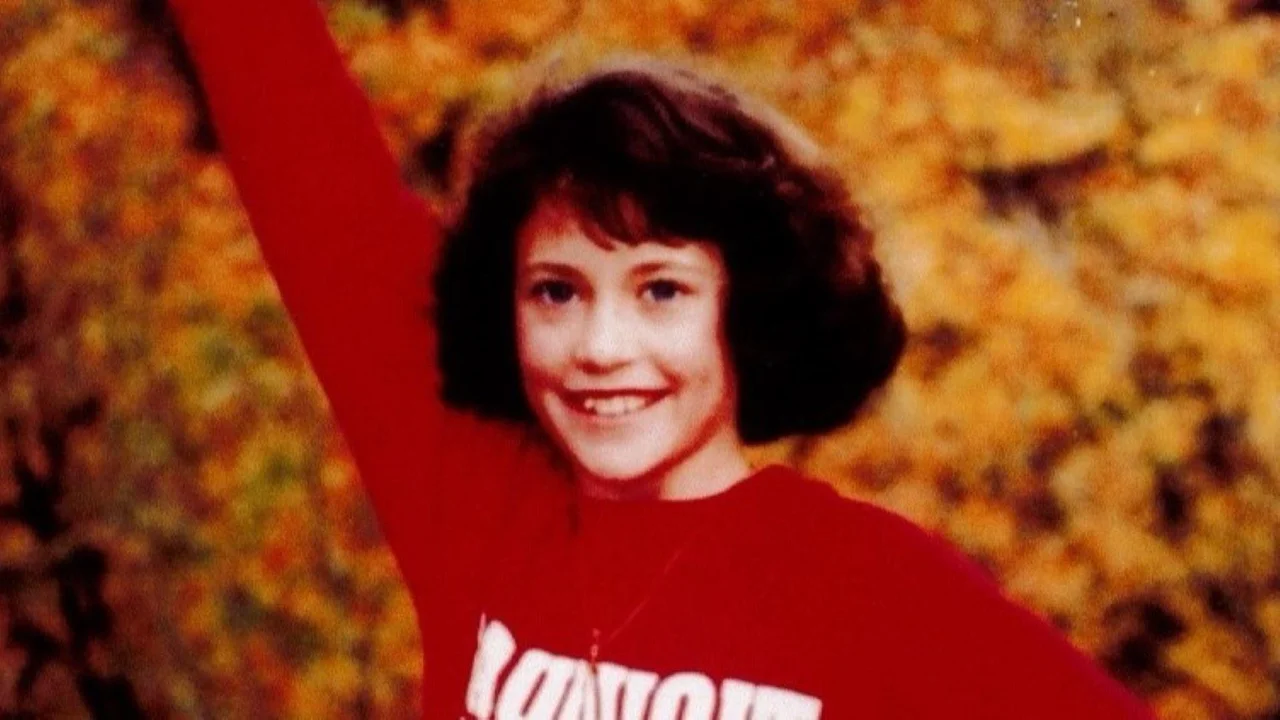
The Disappearance of Sara Anne Wood in Frankfort New York
On August 18, 1993, Frankfort, New York felt like the kind of place where summer moved at a steady, familiar pace. The roads were lined with trees and fields, and the day carried the quiet confidence that comes from routines repeating themselves. Families planned around work schedules, church activities, and children’s programs that offered structure during the long stretch before school returned. In communities like Frankfort and the surrounding hamlets, people often believed that children could ride bikes and move around the neighborhood with a degree of freedom that felt safe because it was common.
That afternoon, twelve year old Sara Anne Wood was doing something ordinary. She had attended a church program and then started her ride home. The trip was not supposed to be complicated or risky. It was a short route, the kind that children travel without thinking much about it, because the destination is familiar and the way home has been traveled many times before.
But Sara never arrived. Her disappearance turned a simple bike ride into a nightmare that would echo across New York for decades. In the hours and days that followed, Frankfort and the surrounding region were pulled into an urgent search and a growing realization that something far more serious than a child wandering off had happened.
Sara Anne Wood And The World Around Her
Sara was twelve, an age balanced between childhood and early adolescence. At that stage, children often carry a mix of independence and innocence. They want more freedom, yet they still live within the safe boundaries set by family and community. Sara’s daily life included the familiar elements of small town youth. School, church, family, and friends. Her bicycle represented freedom in the simplest form, a way to move between places without needing an adult to drive.
When a child disappears, the story is often reduced to a timeline and a few facts. For the family, those facts are not a summary. They are a living wound. Every memory becomes sharper. Every routine becomes painful. A child’s bedroom remains full of personality, but suddenly it is also full of silence. Parents and loved ones often hold onto small details because those details feel like a connection to the last moment before everything changed.
Sara’s disappearance mattered so deeply not only because she was young, but because she vanished during a normal activity in daylight. It challenged the assumption that familiar routes and safe towns were enough protection.
The Ride Home And The Last Known Moments
On August 18, 1993, Sara left a church program and began riding her bicycle home in the Frankfort area. Accounts commonly place her last known time of departure in the mid afternoon, around 2:30 p.m. That detail is crucial because it emphasizes how open and visible the world was when she disappeared. This was not the deep night when shadows can hide movement. It was a time when people could be driving on local roads, working outside, or running errands.
Sara’s route took her along local roads where a child on a bicycle would not stand out. That normalcy is one reason abductions can happen quickly in places that feel safe. A vehicle can pull over briefly, a driver can speak to a child with apparent friendliness, and the interaction can appear harmless to anyone passing by. A child may not recognize manipulation, and an adult with bad intentions can exploit that trust in seconds.
After Sara vanished, her bicycle and some belongings were found off the roadway in brush. That discovery changed the nature of the event. A missing child is frightening, but a missing child with a bicycle left behind suggests interruption. It suggests that something stopped her from continuing the ride. The placement of the items, removed from the normal line of travel, intensified the fear that this was not a case of a child choosing to run away or simply getting lost.
The Immediate Search And The Shock Through The Community
When Sara did not return home, concern would have grown quickly. In families with children, lateness triggers a chain of checks that often begins with simple assumptions. A child stopped to talk to a friend. A child took a longer route. A child got distracted. But as minutes turn to an hour, the mind moves toward darker possibilities.
In small towns and rural outskirts, early searches often begin with parents and neighbors. People check the usual places. They drive local roads. They scan fields and wooded edges. They call out a child’s name and listen for an answer that never comes. Those first hours are fueled by adrenaline, hope, and fear, all tangled together.
Law enforcement soon becomes involved, and the search expands beyond what ordinary people can coordinate. Officers begin collecting witness statements and building a timeline. Search teams may cover ground on foot, by vehicle, and sometimes with specialized support. In a case like Sara’s, where a bicycle is found separated from the child, the search becomes more urgent, because that detail hints at the possibility of an abduction.
The emotional effect on Frankfort and nearby communities was immediate and lasting. Parents looked at their own children differently. Routines felt less secure. A town that once valued the normal freedom of kids riding bikes had to confront the reality that danger could enter even in daylight.
The Investigation And The Suspicion Of Abduction
As investigators worked the case, the evidence and circumstances pointed toward an abduction. A child disappearing during a routine bike ride with personal items left behind tends to suggest that the child did not leave voluntarily. It suggests force, coercion, or deception.
Investigators typically focus on several key questions in such situations. Who was seen on the road around that time. Were there unfamiliar vehicles. Were there reports of someone speaking to a child. Did anyone notice a vehicle pulled off the road. Did anyone hear yelling. Did anyone see a bicycle suddenly veer or stop.
The rural and semi rural environment complicates these questions. Roads can be lightly traveled. Witnesses may be few. A vehicle can come and go quickly. Even if someone noticed something unusual, they might not understand its significance until it is too late.
As the case developed, investigators eventually identified a suspect and later built a prosecution that linked Sara’s disappearance to Lewis Lent. The legal conclusion was devastating. Sara had been abducted and murdered. Lent ultimately pled guilty. Yet the case remained incomplete in one crucial way. Sara’s remains were never recovered, leaving a family with answers about who was responsible but without the final certainty of where she was.
A Case That Became A Long Hunt For The Truth
When a perpetrator is identified and convicted, many people assume a case is finished. For families, the reality can be different. If a child’s remains are missing, the pain stays active. The family may feel that the story is still unfinished, because the child is still physically absent. There is no place to visit, no burial, no final ritual that helps the mind accept reality.
In Sara’s case, Lent at various times provided information about burial location, including a map, but later admitted it was not truthful. This dynamic creates an additional layer of cruelty. Families must live with the possibility that the perpetrator knows exactly where the remains are but refuses to reveal it, holding the final piece of the puzzle like a weapon.
Over the years, investigators continued searching. Searches in areas linked to confessions and tips can be extensive, involving repeated ground sweeps, excavation, and careful examination of terrain. Time makes this harder. Landscapes change. Vegetation grows. Construction alters ground. Water and weather shift soil and cover evidence. Even when searchers work with determination, finding remains decades later can be extraordinarily difficult.
Yet the effort often continues because the need is profound. For families, recovery is not only about evidence. It is about dignity. It is about bringing the child home in the only way still possible.
The Legacy Of Sara Anne Wood In New York
Sara’s disappearance left a deep mark on New York, particularly in the upstate region. Her case became widely known and helped shape how missing child cases were handled and publicized. In the years that followed, her name became associated with expanded child safety awareness and broader efforts to keep missing children visible rather than forgotten.
One of the most enduring legacies connected to Sara is the emphasis on community driven awareness. In the wake of her disappearance, people rallied around the idea that missing children should not fade from public view. Events, advocacy efforts, and ongoing attention kept her case present across decades.
The story also changed how communities thought about trust and freedom. Children riding bikes is an image of innocence, but the case demonstrated how quickly innocence can be exploited. Parents became more cautious. Schools and churches reinforced safety reminders. Communities became more alert to suspicious behavior near children.
Sara’s legacy is a mixture of heartbreak and determination. Heartbreak for what was taken, and determination to prevent other families from suffering the same loss.
Why The Story Still Hurts And Still Matters
Sara Anne Wood’s disappearance matters because it began with something so normal. A child leaving a church program and riding a bicycle home. It was the kind of moment that should have been forgettable, a tiny piece of a summer day. Instead, it became a defining event, not only for her family but for an entire region.
It also matters because it shows how justice can be partial. Identifying a perpetrator can bring accountability, but it does not always bring recovery. Families can still be left with the most painful absence, the missing physical presence of their loved one.
Most of all, Sara’s story matters because it reminds people that a child is never just a headline. Sara was a real twelve year old with a family, a home, and a life interrupted. The years since August 18, 1993 have carried a single, enduring desire. To know what happened fully, and to bring Sara home.
Discover more from City Towner
Subscribe to get the latest posts sent to your email.