
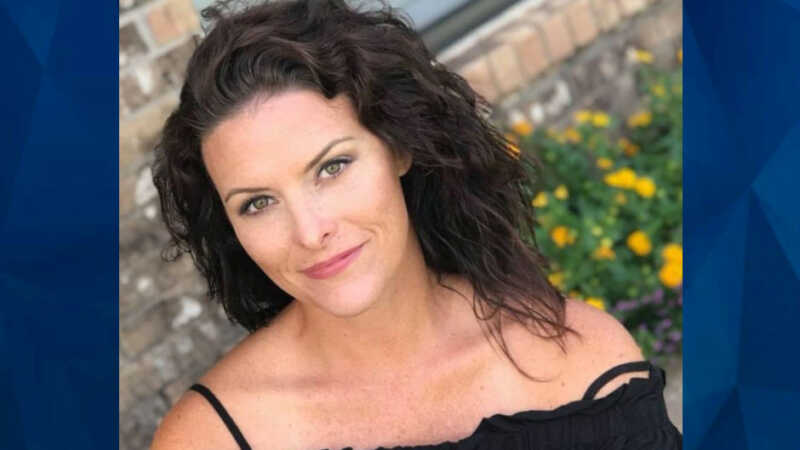
Katie Palmer Struck and Killed By Truck While on a Walk With Husband in Denison Texas
The death of Katie Palmer became one of the most painful and closely followed cases in Denison, Texas, because it began with something so ordinary. A walk through the neighborhood should have been simple, routine, and safe. Instead, April 21, 2020, became the date that permanently changed a family and left a community asking how such a devastating loss could happen in such a familiar setting.
Stories like this hit especially hard because they do not begin with obvious danger. They begin with everyday life. That is part of what gives this case its emotional weight. There was no expectation that a normal morning would become the dividing line between before and after. Yet for those who knew and loved Katie Palmer, that is exactly what happened.
Over time, the case grew beyond a tragic accident in the public mind. It became a long running fight for accountability, answers, and justice. It also became a story about persistence, because the people closest to Katie refused to let the matter fade quietly into the background. Years later, the case still carried public emotion because the grief never truly ended.
Who Katie Palmer Was to the People Around Her
At the center of the case was not a headline, but a person whose life mattered deeply to many people. Katie Palmer was remembered publicly as a wife, mother, and teacher. Those roles alone say a great deal about the life she lived and the impact she had on others. She was part of a family unit, part of the educational world, and part of the daily rhythm of a local community.
When someone known for care, responsibility, and presence is taken suddenly, the shock spreads far beyond the immediate household. Students remember. Friends remember. Neighbors remember. Family members are left carrying not only their own grief, but also the grief reflected back to them by everyone else who feels the loss.
That is why this case never felt small. Katie Palmer’s death was not a distant event to the people around her. It was personal. It was visible. It was felt in the empty spaces left behind at home, in the classroom, and in the wider Denison community. The public language around the case reflected that. She was not treated as a stranger in a news brief. She was remembered as someone who had meaning in other people’s lives.
The Morning of April 21, 2020
On April 21, 2020, Katie Palmer and her husband, John Palmer, were out walking in their Denison neighborhood when they were struck by an F 250 pickup truck. The impact was catastrophic. John survived with major injuries, including a broken back, while Katie suffered severe head trauma and died hours later.
The violence of the moment stands in harsh contrast to the ordinary nature of what came before it. A walk is one of the simplest things people do to clear their minds, spend time together, and move through the neighborhood they know. There is a certain cruelty in the fact that something so basic could end in such overwhelming harm.
In many tragic cases, the public can point to some extraordinary circumstance that at least explains why danger was present. Here, that has never been the reason the story stayed with people. It stayed with them because it happened during an everyday act, in a place that should have felt familiar and safe. That made the loss feel even more disturbing.
The Immediate Aftermath
The hours after a fatal incident often determine how a case is understood by the public. In Katie Palmer’s case, the immediate aftermath left a deep mark. Her husband was not only grieving what had happened to his wife, but also recovering from serious physical injuries of his own. That alone added another layer of pain to the story. He was both victim and witness, survivor and mourner.
The fact that Katie died after being taken for emergency treatment made the emotional timeline even harder. There was the impact itself, the frantic medical response, and then the final confirmation of loss. Those stages can turn a single day into a blur of disbelief, fear, hope, and devastation. For a family, it is not just one traumatic event. It is a sequence of crushing moments.
Public attention often focuses on the instant of impact, but the aftermath is where grief begins to settle in. That is when the family realizes life has changed permanently. That is when ordinary details suddenly take on unbearable meaning. A walk together becomes the last walk. A morning becomes the worst morning. And a neighborhood becomes the place where everything broke apart.
Why the Case Drew So Much Public Attention
Not every fatal collision becomes a years long public cause, but this one did. Part of the reason was the personal nature of the loss. Part of it was the seriousness of John Palmer’s injuries and his continued public advocacy. Part of it was the belief among supporters that accountability had moved too slowly. Those factors combined to turn Katie Palmer’s death into something larger than a local tragedy.
When loved ones believe justice has not moved at the pace it should, grief often evolves into determination. That determination can sustain public attention long after the first news stories fade. It can keep a name visible, keep questions alive, and keep pressure on the system. In Katie Palmer’s case, that kind of persistence appears to have been a major part of why the story continued to resonate.
The public reaction also reflected a basic emotional truth. People tend to respond strongly when a story feels both tragic and preventable. A sudden fatal roadway incident involving pedestrians often creates exactly that reaction. It forces people to imagine how easily the same kind of loss could touch any family. That shared vulnerability can make a case feel immediate even to people who never knew the victim.
A Long Fight for Accountability
One of the defining features of the Katie Palmer case was how long the fight for accountability lasted. The death happened in 2020, but later reporting showed that years passed before a grand jury indictment was announced in 2025. That span of time became part of the story itself.
For families seeking justice, time can be one of the cruelest parts of the process. Every delay feels personal. Every unanswered question feels like an additional injury. Every legal step that fails to arrive quickly enough can deepen the sense that the life lost is not being treated with the urgency it deserves.
That is one reason the case remained emotionally charged. It was not only about a fatal event on one terrible day. It was also about the years that followed, when loved ones continued pressing for movement. As the public watched that effort continue, the case shifted from being simply about death to being about endurance. It became the story of a family refusing to let loss be reduced to silence.
The Emotional Weight Carried by John Palmer
Any account of Katie Palmer’s death is incomplete without recognizing the role of her husband’s public voice in keeping the case visible. John Palmer survived the same collision that killed his wife, which means he lived through both physical trauma and unimaginable emotional devastation at the same time. That dual burden is hard to comprehend.
Surviving a fatal incident with a loved one often brings its own complicated pain. There is grief, but there is also memory. There is mourning, but there is also the lasting imprint of having been there when everything happened. The surviving spouse is left not only to remember the person who died, but also to relive the event itself.
That helps explain why the years after Katie’s death did not turn into quiet remembrance. They turned into advocacy. Public statements, family efforts, and calls for justice all reflected a refusal to let the case disappear. In many ways, that continuing effort became one of the most powerful parts of the story. It showed that love does not simply end when a life is taken. It changes form and becomes a demand that the person lost still be honored.
How Communities Process This Kind of Loss
When a violent death happens in a neighborhood, the impact is rarely limited to the immediate family. People begin to look at familiar streets differently. They think about safety differently. They question what kind of behavior is tolerated, what warning signs might have been missed, and whether the same thing could happen again.
That community dimension is part of why Katie Palmer’s death remained so resonant. It was not an isolated private tragedy hidden from public view. It happened in a place people knew. It involved neighbors, roads, and routines that would have felt ordinary to others living nearby. That kind of event reshapes how a community sees itself.
Communities also often rally around families in ways that become part of the case’s public identity. Support campaigns, advocacy pages, memorial efforts, and persistent public attention all send the same message: the person lost mattered, and the story is not finished. In that sense, the community response becomes part of the legacy of the person who died.
The Difference Between Tragedy and Closure
A tragic event and true closure are not the same thing. A family can know the broad outline of what happened and still feel that the story remains unfinished. That often happens when legal accountability is delayed, disputed, or incomplete. The known facts may explain the event, but they do not necessarily satisfy the deeper moral need for justice.
Katie Palmer’s death sits in that difficult space. The event itself was known. The pain it caused was visible. But for years, the larger questions about consequences and accountability remained part of the public conversation. That gap between what happened and what came afterward is why the case never simply faded into memory.
Closure is often discussed as though it arrives automatically once legal action begins, but families know better. Real closure is rare. More often, there is only movement, partial recognition, and the hope that the system will eventually acknowledge the full seriousness of what was lost. Even when that happens, it does not reverse the damage. It only confirms that the damage mattered.
Remembering Katie Palmer Beyond the Headlines
It is easy for public memory to reduce a person to the circumstances of their death. That is one of the saddest things that can happen in any high profile case. A woman becomes the victim in a story rather than the full person she was before that day. Remembering Katie Palmer properly means resisting that reduction.
She should be understood as more than the woman struck on a walk in Denison. She was a wife with a shared life, a mother with children who would grow up carrying her memory, and a teacher whose absence would be felt in ways that never make it into official records. Her life existed long before the tragedy that brought wider attention to her name.
That is why remembrance matters. It restores humanity to a story that can otherwise become dominated by legal language, timelines, and public disputes. To remember Katie Palmer is to insist that her life had value beyond the case that followed. It is to say that what was lost was not only a person in the abstract, but an entire world of relationships, care, and daily presence.
Why the Story Still Matters
Katie Palmer’s death still matters because it speaks to several truths at once. It reminds people how quickly ordinary life can be shattered. It shows how grief can transform into a long search for accountability. And it illustrates how a family’s persistence can keep public attention fixed on a case that might otherwise have been forgotten.
The story also matters because it is rooted in a universal fear. People want to believe that home neighborhoods are safe, that morning walks are harmless, and that loved ones will return from routine moments. When that expectation is destroyed, the loss feels deeply personal even to outsiders. It reaches beyond one family because it touches a common assumption about daily life.
In the end, the case is remembered not only because of how Katie Palmer died, but because of how fiercely the people who loved her insisted that her death be taken seriously. That insistence became part of her story. It turned mourning into purpose and private pain into public resolve.
Katie Palmer’s death on April 21, 2020, in Denison, Texas, remains a deeply painful chapter for those who knew her and for those who followed the case. It is a story marked by sudden loss, lasting grief, and years of determination. More than anything, it is the story of a life that mattered and a family that refused to let that truth be forgotten.
Discover more from City Towner
Subscribe to get the latest posts sent to your email.