
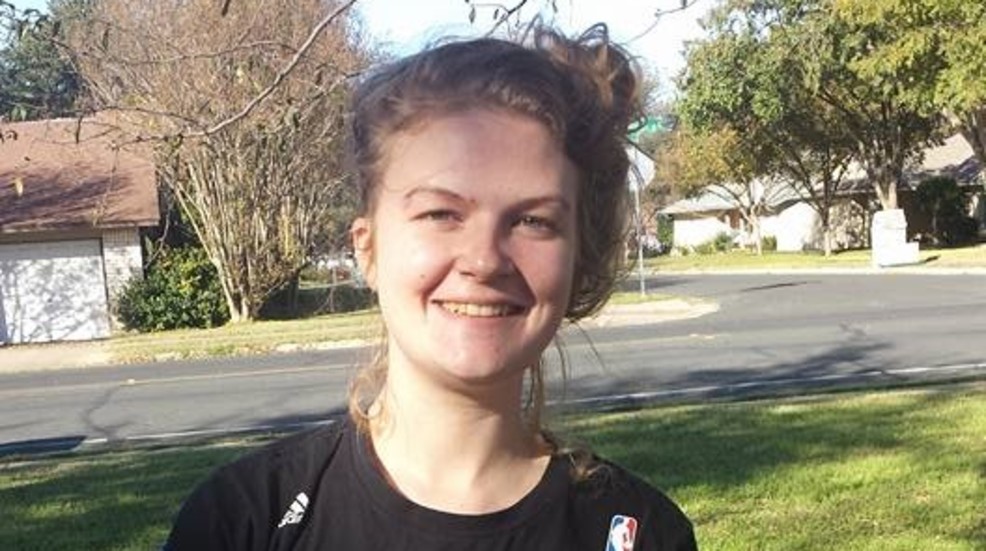
The Murder of Nicole Coleman in Austin Texas
Nicole Diane Coleman was 23 years old when her life ended violently in Austin, Texas. To the people who loved her, she was more than a headline or a case file. She was a granddaughter, a young woman with plans, and someone whose future should have stretched far beyond the end of 2018.
Her murder has lingered in the city’s memory because of how abruptly it unfolded, how little of her final days can be publicly accounted for, and how the crime scene itself raised immediate questions investigators have guarded closely. What is known comes from the early police statements, later media reporting, and the pieces of timeline law enforcement released to the public in hopes someone would recognize a detail that mattered.
New Year’s Eve Discovery In East Austin
On December 31, 2018, Nicole was found dead in East Austin in the woods near the 7,000 block of Ed Bluestein Road, also described in coverage as Ed Bluestein Boulevard. The discovery happened just after 5:30 p.m., setting off an investigation that immediately treated the death as suspicious and then as homicide.
Responding officers found Nicole’s body nude and showing obvious signs of trauma. That description became one of the few blunt facts shared early, and it shaped the public’s understanding of the case from the start. Authorities did not publicly detail exactly how she was killed, a decision often made when investigators believe specific information could help them confirm or eliminate suspect statements later.
The location itself also mattered. A wooded area beside a roadway can be both visible and hidden at the same time, close enough for passersby to stumble onto it, yet secluded enough for someone to believe they will not be observed. That contradiction has fueled years of questions about whether the area was the primary crime scene or a place chosen to conceal what happened elsewhere.
The Last Public Trail Before The Killing
After the New Year’s Eve discovery, detectives faced the hardest problem in many homicide cases: building a reliable timeline in the days before the death, when the victim’s movements are not fully documented and witnesses may not realize what they saw was important.
Austin Police later released surveillance video described as the last known footage of Nicole alive. The footage placed her at the Kool Corner convenience store area at Manor Road and Northeast Drive on December 28, 2018. Investigators asked the public to focus on her movements, the vehicles nearby, and anyone who might have interacted with her.
This gap, from December 28, 2018 to December 31, 2018, is where the case turns into a blur for the public. Police indicated that the days leading up to her death remained a mystery, which is both a statement of investigative reality and a signal that the missing information is likely the key to identifying who crossed her path and when.
Who Nicole Was And Why She Was In Austin
Reports described Nicole as having recently come to Austin from the Houston area and as being connected to mental health treatment services. Some coverage described her as staying in a group home type setting for women while receiving care. This context is not gossip or background color. It affects how investigators assess risk, how they evaluate vulnerability, and how they determine whether a crime was opportunistic, targeted, or connected to a pattern.
Police also described her as a high risk victim in the sense that she was new to the area and her circumstances could make it harder to track her movements through traditional means like stable employment schedules, consistent social routines, or predictable commuting patterns. The more a person’s days are structured, the easier it is to pinpoint when something went wrong. The more unstructured a period becomes, the easier it is for a predator to operate without immediate detection.
What Investigators Shared And What They Held Back
From the beginning, investigators confirmed the basics: Nicole was found in the woods near Ed Bluestein, she had obvious trauma, and the case was a homicide. Beyond that, they were careful. The manner of death was not fully described publicly, and police did not publicly confirm details such as whether there was sexual assault, even as the circumstances led many to ask that question.
That restraint can frustrate the public, but it is also strategic. In many homicide investigations, specific withheld details become a truth test. A false confessor, a rumor, or a suspect fishing for information may say generic things. Someone with real knowledge may reveal a fact that was never released. Holding back certain elements can also protect witnesses and prevent contamination of tips.
Investigators also addressed possible connections to other nearby crimes in the area during that period, but reporting indicated police did not treat Nicole’s homicide as linked to a nearby sexual assault case once more information was developed.
The Questions That Still Define The Case
When a young woman is found dead in a wooded area at the edge of a major roadway, the central questions become unavoidable.
Was Nicole killed at that location, or was her body moved there afterward. If she was moved, that implies access to a vehicle and at least some confidence the area would not be closely watched at the time.
Who last saw her alive in a way that can be verified. The surveillance footage creates an anchor point, but it does not explain what happened next. Did she leave the convenience store area alone. Did someone follow her. Did she enter a car willingly, believing she was safe, or was she forced.
Why the timeline is so thin. The gap between December 28, 2018 and December 31, 2018 suggests there may be missing pieces that have never surfaced publicly or that investigators have and are holding close because they tie directly to a suspect or a narrowed theory of the crime.
These questions are not abstract. They point to the practical realities that solve cases: a witness remembering a vehicle detail, a clerk recalling a conversation, a driver noticing a person in distress, a friend revealing a last message, or someone in a suspect’s circle finally saying what they know.
The Family’s Long Wait For A Break In The Case
Later coverage focused on the family’s grief and frustration as the case remained unsolved. The passage of time can be cruel in homicide investigations. Tips dry up, memories fade, and witnesses move on. At the same time, cold case work can also benefit from time. People who were once afraid can become willing to talk, relationships change, and advances in forensics can make older evidence more useful.
Public reporting emphasized that Nicole’s family continued to push for answers and to keep attention on her case. That persistence matters because unsolved homicides often need one small new fact, not a mountain of new evidence. A single confirmed sighting, a name attached to a vehicle, or a credible account of an argument can redirect an investigation that has been stuck for years.
What Happened In Austin On December 31, 2018
Nicole Coleman’s murder is defined by a few grim certainties and a wide field of unknowns. The certainty is that on December 31, 2018, she was found dead in East Austin near the 7,000 block of Ed Bluestein, nude and visibly traumatized, and investigators ruled her death a homicide.
The unknown is everything between the last publicly identified sighting on December 28, 2018 and the moment her body was discovered on New Year’s Eve. That is where the answer lives. Whether the crime was committed by someone she knew, someone she met briefly, or someone who targeted her because of circumstance, the same truth remains: someone out there knows what happened, and the case depends on that knowledge coming to light.
Discover more from City Towner
Subscribe to get the latest posts sent to your email.