
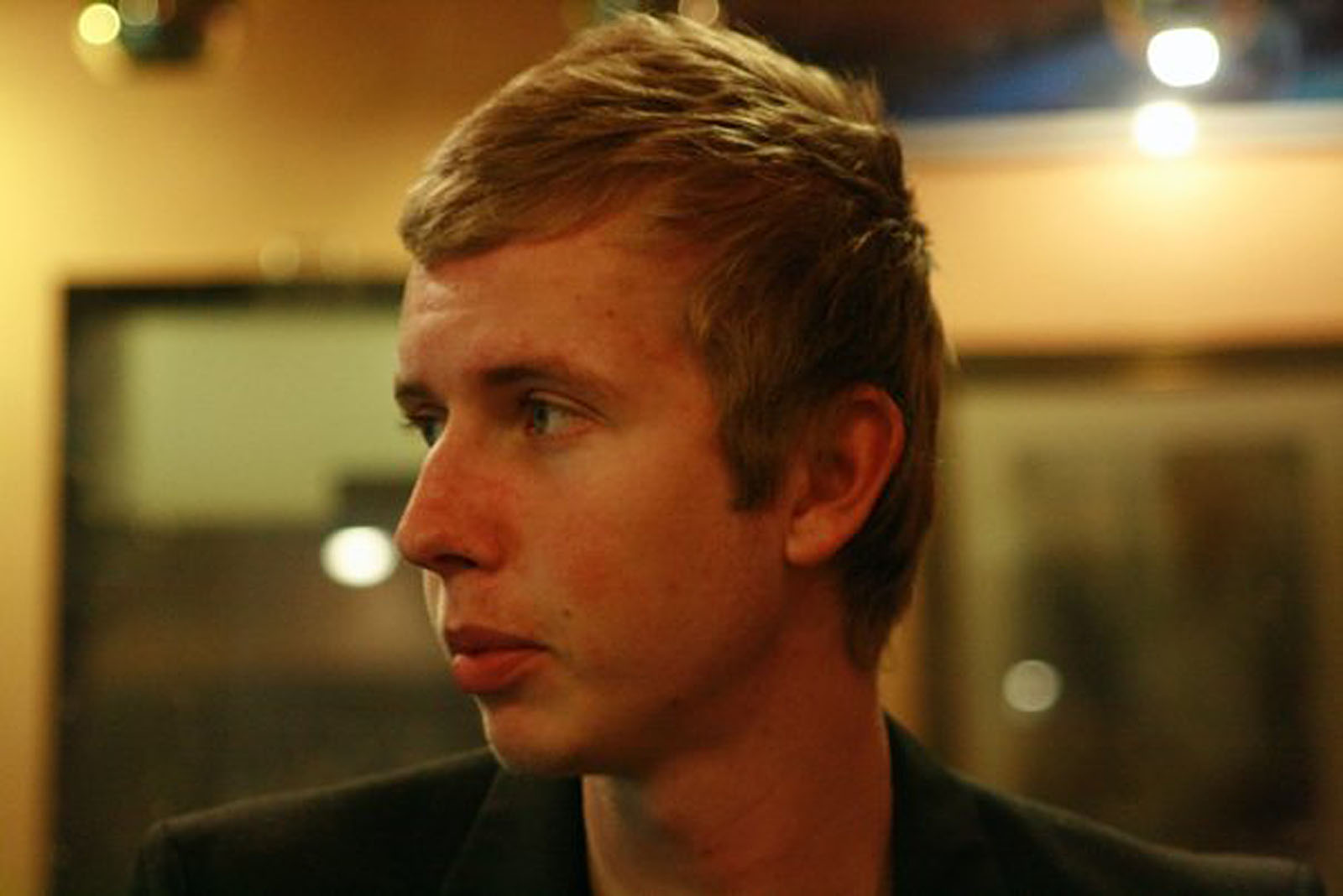
Shawn Tyler Dickerson Goes Missing in San Francisco California
The disappearance of Shawn Tyler Dickerson on December 2, 2011, remains one of the most unsettling unresolved missing person cases tied to San Francisco, California. He was 23 years old when he vanished, a young man living in the city, working retail, making plans for the future, and moving through the ordinary routines of daily life. Then, in the space of a single day, those routines broke apart in a way that still has never been fully explained.
Cases like this linger because they seem to begin in such a familiar way. A person wakes up, leaves home, mentions work, and appears to be moving through a normal day. Nothing in that outline sounds dramatic at first. But then small details begin to pile up, and what seemed ordinary starts to feel deeply strange. That is exactly what gives Shawn Dickerson’s case its lasting power. The timeline contains just enough information to make the mystery vivid, but not enough to reveal what truly happened.
More than a decade later, the same questions remain. Why did he leave home the way he did that morning. Why did his behavior later that day strike people close to him as so unusual. What happened after the final known online activity. And how can someone disappear in a city as busy and densely watched as San Francisco without leaving behind a clear answer. Those questions are what keep the case alive in memory.
The Morning of December 2, 2011
On December 2, 2011, Shawn Tyler Dickerson left the apartment he shared with roommates in San Francisco late in the morning. According to the known timeline, he had stayed up late talking during the early hours before finally waking later than expected. When he left, he reportedly said that he was late for work. He was supposed to go to his job at Rolo on Market Street, a destination that should have placed him within the ordinary flow of the city and the ordinary obligations of a working day.
That detail is important because it frames the entire disappearance. He did not appear to be leaving in the language of escape. He was not publicly known to have said he was leaving for good or cutting ties with his life. Instead, he left using the language of routine. He was going to work. That simple statement became one of the last known pieces of direct intention attached to him before the case turned mysterious.
The ordinary nature of that departure is one of the reasons the story continues to haunt people. Missing person cases often become especially painful when the final known moment feels so everyday. There is no dramatic farewell, no obvious sign that something is about to happen, and no clear line between normal life and disaster. Shawn’s case seems to sit exactly in that uncomfortable space. A young man leaves for work, and then the day slides into confusion.
A Day That Began Normally and Then Changed Shape
One of the most striking things about Shawn Dickerson’s disappearance is that the day did not simply end with him vanishing without any trace of activity. Instead, there were signs that he continued moving through the city. There were photos posted later that day, images that seemed to suggest he had spent time around San Francisco rather than going directly to work. To the outside world, a person taking photographs in a city may not sound alarming. But to people who knew him, the behavior was reportedly unusual enough to stand out immediately.
That matters because missing person cases are often shaped by the difference between what looks ordinary to strangers and what feels wrong to loved ones. A person’s habits, tone, patterns, and small routines are often invisible to the public. But family and friends know when something is off. In Shawn’s case, the later posting of multiple photographs did not reassure the people around him. Instead, it became one of the strangest parts of the timeline because it did not seem to match how they understood him.
The result is a day that feels almost split into two halves. In the first half, he is a young worker who left home late and said he needed to get to work. In the second, he becomes a figure moving through San Francisco in a way that others found difficult to understand. That divide gives the case much of its eerie quality. It is not only a disappearance. It is a disappearance preceded by behavior that appears to shift away from the expected pattern of the day.
The City as a Backdrop to the Mystery
San Francisco plays a powerful role in how this case is remembered. The city is dense, active, layered, and constantly in motion. It is a place of sidewalks, transit lines, storefronts, hills, neighborhoods, cameras, and crowds. In theory, it should be one of the harder places for a person to disappear without leaving behind witnesses or a clear trail. Yet that assumption is exactly what makes cases like Shawn’s so unnerving.
Large cities often create a strange combination of visibility and invisibility. A person can be surrounded by people and still remain profoundly alone in public space. A person can move through transit systems, commercial streets, and familiar landmarks without anyone around them realizing that something is wrong. In that way, a city like San Francisco can both hold a person in plain sight and swallow them at the same time.
The fact that Shawn’s disappearance unfolded in such an urban setting deepens the mystery. This was not a remote forest, a rural highway, or an isolated desert road. It was a major American city. That alone is enough to make people return to the case and ask how it could happen. The city should have produced more clarity than it did. Instead, it became the setting for a disappearance that still feels shockingly unresolved.
The Weight of Out of Character Behavior
Many unresolved disappearances become defined by one odd detail that people cannot stop circling back to. In Shawn Dickerson’s case, one of those details is the series of photos posted later on the day he vanished. The significance of those images lies not only in the fact that they existed, but in how they were perceived by people who knew him. They were reportedly considered out of character, and that perception has shaped discussion of the case ever since.
Out of character behavior can be interpreted in many ways. It can suggest distress, disorientation, spontaneity, outside influence, or a change in state of mind that others did not fully understand at the time. The problem is that without knowing what happened afterward, the meaning of the behavior remains unclear. It becomes one more piece of a puzzle with no completed picture.
That uncertainty has made the photographs feel almost symbolic. They are fragments of presence from the last known day, reminders that Shawn was still moving through the world, still seeing things, still creating traces of himself. And yet those traces do not point cleanly toward an answer. They simply mark the edge of what is known before the story drops into silence.
The Life Shawn Was Living Before He Vanished
Before he became the subject of an unresolved case, Shawn Tyler Dickerson was a young man with a present and a future. He had a job, a shared living situation, social relationships, and plans that extended beyond the immediate moment. That matters because disappearances can too easily flatten a person into nothing more than the mystery around them. But Shawn was not only a missing person. He was a real individual living a real life before the day he disappeared.
Youth can make a case like this feel even more painful. At 23, a person is often still in the process of building adulthood, shaping identity, moving through new jobs, new cities, and new ambitions. That stage of life carries a specific energy. It is uncertain at times, but it is also full of possibility. When a young person vanishes, the emotional force of the case is heightened by everything that was still unfinished in a hopeful way. The loss is not just of the person as they were in that moment, but of the future they were still in the process of becoming.
People close to Shawn reportedly understood him as someone with plans and direction. That makes the disappearance harder to accept as something simple or self explanatory. When a person seems engaged with life, even imperfectly, it becomes harder to imagine them stepping cleanly away from it without word or warning. That tension is part of what keeps the case emotionally open.
The Silence After the Last Known Trace
One of the cruelest features of a disappearance is the way silence takes over after the final known trace. A message stops. A phone goes unused. A person does not appear where they are expected. At first, that silence may seem temporary. Then it grows heavier. Hours become days, and the absence transforms from delay into crisis. In Shawn’s case, that silent transition is central to the story.
He never arrived at work. He was not heard from again in any normal way. The known activity from that day did not develop into a coherent narrative that others could follow. Instead, it became the final set of clues before the trail went cold. That abrupt collapse from visible activity into total disappearance is what makes the case feel so jarring.
Silence in a missing person case is not empty. It is full of questions. Did he meet someone. Did he experience some private crisis. Did he willingly change course for a short time only to encounter danger later. Did someone else intervene in ways no one was able to reconstruct. These questions hang over the case because the silence never answered them. It only preserved them.
The Emotional Burden on Those Left Behind
For families and close friends, a disappearance creates a unique and brutal form of grief. There is no fully confirmed ending, but there is also no normal continuation. The missing person is not present, yet they are not emotionally gone in the way death can sometimes force recognition. Instead, loved ones are left in a condition of suspended uncertainty. That uncertainty is exhausting, and it can stretch across years in ways outsiders rarely understand.
In Shawn Dickerson’s case, the pain seems to have been intensified by the strange behavior on the day he vanished. When loved ones know that something was off, they often revisit the timeline repeatedly, hoping to see what they missed or hoping that one detail will suddenly reveal its meaning. A photograph, a departure time, a phrase, or a route can take on enormous significance. The mind keeps returning to the same points because the case remains unresolved.
That is part of why these disappearances remain so emotionally powerful long after they stop making regular headlines. The family does not experience them as old news. They experience them as ongoing absence. Each anniversary, each remembered detail, and each public retelling brings the unanswered questions back to the surface.
Why the Case Still Resonates
The disappearance of Shawn Tyler Dickerson still resonates because it combines several elements that make a case hard to forget. He was young. The disappearance happened in a major city. The final day included unusual behavior. He seemed to leave for something ordinary and then vanished. Taken together, those elements create a story that is both highly specific and deeply unsettling.
It also resonates because it exposes a basic vulnerability in modern life. We often assume that in cities filled with technology, crowds, and constant movement, people cannot simply disappear. But cases like this show that a person can still fall out of reach with astonishing speed. The systems around us do not always produce clarity. Sometimes they only preserve fragments.
The urban setting, the late morning departure, the missed work, and the unusual online activity all make this one of those cases that continues to invite reflection because it feels like the answer should be there. It feels as though the city, the timeline, and the traces should add up to something solid. But they do not. That gap between what should be understandable and what remains mysterious is what gives the case its lasting power.
An Unfinished Story From December 2, 2011
More than a decade later, Shawn Dickerson’s disappearance remains unfinished in the most painful sense. The known facts still end too early. A 23 year old San Francisco man left home on December 2, 2011, said he was late for work, never arrived there, acted in ways that others found unusual later that day, and then vanished. That is the outline. But the truth inside that outline is still missing.
The unfinished nature of the case affects how it is remembered. It is not only a disappearance from the past. It is an open question carried forward year after year. Each retelling is an acknowledgment that the final chapter never came. There was no clear resolution, no public explanation that made sense of the strange day, and no answer strong enough to quiet the uncertainty.
At the center of it all is a young man who was meant to keep living the life that day seemed to begin. Shawn Tyler Dickerson was not supposed to become a mystery. He was supposed to go to work, return home, and keep moving forward into the future he was building. Until the truth is known, his story remains one of San Francisco’s most haunting unresolved disappearances.
Discover more from City Towner
Subscribe to get the latest posts sent to your email.