
25 Fun Facts About Grand Rapids Michigan
Grand Rapids, Michigan is a city shaped by a powerful river, industrial ambition, creative energy, cultural diversity, and a long tradition of reinvention. Located in western Michigan, Grand Rapids has grown from an Indigenous gathering place and fur trading settlement into a major center for manufacturing, health care, education, art, entertainment, dining, and tourism.
Many people recognize Grand Rapids as Furniture City because of its historic role in American furniture manufacturing. Others know it as Beer City because of its large collection of breweries and strong craft beer culture. The city is also connected to President Gerald R. Ford, major public art projects, historic architecture, medical research, and the Grand River.
Grand Rapids offers the energy and attractions of a major city while maintaining the welcoming character often associated with smaller Midwestern communities. Downtown visitors can explore museums, attend concerts, eat at independent restaurants, walk along the river, and view public art within a relatively compact area.
Beyond downtown, the city contains distinct neighborhoods with their own businesses, churches, parks, architecture, cultural traditions, and community events. The following 25 fun facts highlight the history, landmarks, people, industries, and distinctive qualities that make Grand Rapids one of Michigan’s most interesting cities.
1. Grand Rapids Was Named for Natural Rapids
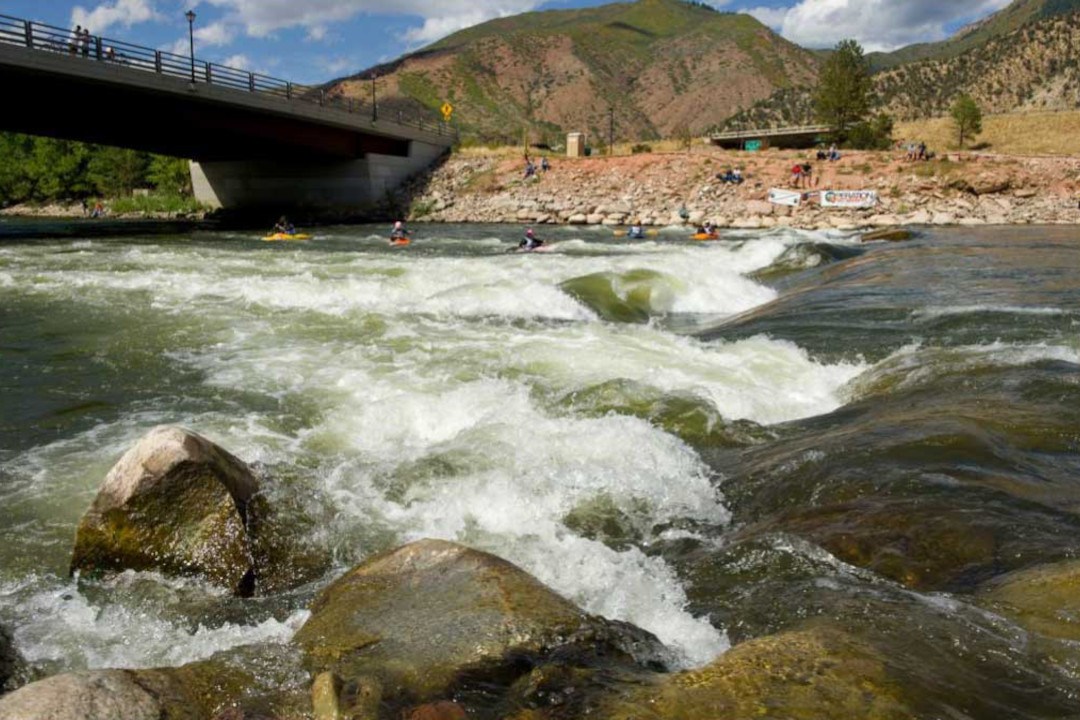
Grand Rapids received its name from the natural rapids that once flowed through the Grand River near the center of the present city. The rapids stretched for approximately a mile and created a recognizable landmark for Indigenous communities, traders, and early settlers.
The shallow and fast moving water influenced where people crossed the river, established settlements, and conducted business. Industrial development, dams, bridges, and other construction eventually changed the original appearance of the rapids.
Even though the historic rapids are no longer visible in their original form, the name continues to connect the modern city to the river that made its development possible.
2. The Grand River Is Michigan’s Longest River
The Grand River is the longest river located entirely within Michigan. It begins in the southern portion of the state and travels through several communities before reaching Lake Michigan at Grand Haven.
The river played a major role in transportation, trade, fishing, lumbering, manufacturing, and settlement. During the lumber era, large quantities of timber moved through the river system toward mills and industrial centers.
Today, the Grand River remains central to recreation, environmental projects, trails, parks, tourism, and downtown development. It is both a natural resource and one of the strongest symbols of Grand Rapids.
3. Indigenous Communities Lived in the Area Long Before European Settlement
The Grand River Valley was inhabited for thousands of years before Grand Rapids became an American city. Ancient communities built burial mounds and developed trade networks throughout the region.
The Ottawa, also known as the Odawa, were among the principal Indigenous people living along the Grand River. The Potawatomi and Ojibwe also had cultural, political, and economic connections to western Michigan.
The river provided water, fish, transportation, fertile soil, and access to surrounding forests. Indigenous history is therefore not a minor introduction to the story of Grand Rapids. It is the foundation of the region’s human history.
4. Louis Campau Is Known as the Founder of Grand Rapids
Louis Campau, a French Canadian fur trader, established a trading post near the Grand River in 1826. His business served Indigenous customers and other people traveling through the region.
Campau recognized the location’s commercial potential and later purchased a large area of land that became part of downtown Grand Rapids. His influence extended beyond trade as the settlement developed into a permanent community.
Although many people contributed to the city’s early growth, Campau is commonly remembered as the founder of Grand Rapids.
5. Grand Rapids Became a City in 1850
Grand Rapids developed rapidly during the first half of the nineteenth century. It became an incorporated village in 1838 and was officially incorporated as a city on April 2, 1850.
The new city benefited from its location on the Grand River, access to forests and farmland, and connections to surrounding communities. Mills, workshops, stores, churches, schools, hotels, and government offices appeared as the population increased.
City status reflected the transformation of Grand Rapids from a frontier settlement into a growing commercial and industrial center.
6. The City Became Famous as Furniture City
Grand Rapids became one of the most important furniture manufacturing centers in the United States during the nineteenth and early twentieth centuries. The surrounding region provided timber, while the city offered skilled workers, factories, railroads, and access to national markets.
Local companies produced tables, chairs, desks, cabinets, bedroom sets, dining room furniture, and decorative pieces. Buyers traveled to Grand Rapids to visit showrooms and purchase products for stores across the country.
The furniture industry influenced the city’s economy, architecture, labor movement, design culture, and international reputation. Grand Rapids is still frequently called Furniture City.
7. Furniture Manufacturing Remains Important in the Region
Although household furniture production declined from its historic peak, the Grand Rapids region remained an important center for office furniture, commercial interiors, and workplace design.
Area companies became known for creating desks, chairs, storage systems, partitions, and flexible work environments. Designers and manufacturers study how people move, communicate, collaborate, and remain comfortable at work.
This continuing industry demonstrates how Grand Rapids adapted its traditional woodworking and manufacturing knowledge to the needs of modern offices and institutions.
8. Grand Rapids Hosted a Major Furniture Workers’ Strike
In 1911, thousands of furniture workers participated in a major strike involving wages, working hours, union recognition, and workplace conditions.
The conflict exposed divisions between factory employees and powerful manufacturers. Many workers came from immigrant communities and believed they lacked a fair voice in decisions affecting their employment.
Although the strike did not achieve every demand, it became one of the most significant events in the city’s labor history. It also revealed the difficult working conditions behind Grand Rapids’ industrial success.
9. Gerald R. Ford Grew Up in Grand Rapids
Gerald R. Ford, the thirty eighth president of the United States, spent most of his childhood and early life in Grand Rapids. He attended local schools, participated in athletics, and developed strong personal connections to the community.
Ford later represented the Grand Rapids area in the United States House of Representatives. He became vice president in 1973 and president on August 9, 1974, after President Richard Nixon resigned.
Ford remained closely connected to Grand Rapids throughout his life, and the city continues to preserve his political and personal legacy.
10. Grand Rapids Has a Presidential Museum
The Gerald R. Ford Presidential Museum is located along the Grand River in downtown Grand Rapids. It contains exhibitions related to Ford’s childhood, congressional career, vice presidency, presidency, family, and public service.
Visitors can learn about major events from the 1970s, including the Watergate era, the end of the Vietnam War, economic challenges, and international diplomacy.
Gerald R. Ford and his wife, Betty Ford, are buried on the museum grounds. Their burial site gives Grand Rapids a direct connection to American presidential history.
11. A Giant Red Sculpture Became a City Symbol
La Grande Vitesse is a large red sculpture created by artist Alexander Calder. It was installed in 1969 in the plaza that became known as Calder Plaza.
The sculpture’s French title means great swiftness, which relates to the meaning of the city’s name. Its curved metal form and bright color make it one of the most recognizable landmarks in Grand Rapids.
La Grande Vitesse became so strongly associated with the city that its shape influenced the official Grand Rapids logo.
12. Grand Rapids Became a Leader in Publicly Supported Art
The installation of La Grande Vitesse represented an important moment in the history of public art in the United States. The project combined federal support with local contributions and community involvement.
Its success demonstrated that large modern artworks could become permanent parts of civic spaces. Rather than placing the sculpture inside a museum, Grand Rapids positioned it in a public plaza where residents could encounter it during daily life.
This project helped establish the city’s reputation for supporting art, creativity, and cultural investment.
13. ArtPrize Turned the City Into a Giant Gallery
ArtPrize began in Grand Rapids in 2009 and transformed museums, hotels, parks, sidewalks, restaurants, churches, offices, and public spaces into exhibition locations.
Artists displayed paintings, sculptures, photographs, installations, digital projects, and other forms of creative work. Visitors explored the city while viewing art in both traditional and unexpected settings.
The event attracted attention because of its size, public participation, and use of the city itself as a gallery. It also introduced many visitors to downtown Grand Rapids and its surrounding neighborhoods.
14. Grand Rapids Is Often Called Beer City
Grand Rapids developed a national reputation for craft brewing and became widely known as Beer City. Breweries throughout the area produce a wide variety of lagers, ales, stouts, porters, sour beers, and seasonal releases.
Many breweries also operate restaurants, patios, event spaces, and taprooms. This allows visitors to combine local food, social gatherings, entertainment, and beer tasting in one location.
The brewing industry supports tourism, agriculture, hospitality, food trucks, restaurants, and other small businesses. Beer City has become one of the most recognizable parts of the city’s modern identity.
15. The City Has an Underground Drinking Attraction
One of the unusual features associated with the Grand Rapids brewing scene is the use of historic spaces, including old buildings and underground areas.
Some local establishments have transformed former industrial, storage, or basement spaces into taprooms, bars, or dining areas. These locations preserve brick walls, wooden beams, stonework, and other architectural details.
The combination of history and modern entertainment gives parts of the city’s nightlife a distinctive atmosphere that feels connected to its industrial past.
16. Grand Rapids Has a Medical Mile
The Michigan Street corridor near downtown developed into a major collection of hospitals, research institutions, laboratories, medical schools, and health related organizations.
This area became known as the Medical Mile. It represents the city’s expansion beyond traditional manufacturing into medicine, science, research, education, and biotechnology.
The Medical Mile also changed the physical appearance and economy of nearby neighborhoods. New buildings, educational programs, businesses, and employment opportunities developed around the expanding health care industry.
17. Heritage Hill Contains Hundreds of Historic Homes
Heritage Hill is one of the best known historic neighborhoods in Grand Rapids. It contains hundreds of homes representing a wide range of architectural styles and historical periods.
Visitors can see examples of Greek Revival, Italianate, Queen Anne, Colonial Revival, Prairie, and other designs. The neighborhood includes large mansions, modest homes, apartment buildings, churches, and tree lined streets.
Heritage Hill reflects the wealth created during the city’s industrial growth while also showing how architectural tastes changed over time.
18. Frank Lloyd Wright Designed a Home in Grand Rapids
The Meyer May House in Grand Rapids was designed by famous American architect Frank Lloyd Wright. It was completed in 1909 for Meyer May, a local clothing business executive.
The house is an important example of Wright’s Prairie style, which emphasized horizontal lines, open interior spaces, natural materials, and a strong relationship between the building and the surrounding landscape.
The property was carefully restored to reflect its original design. It remains one of the city’s most important architectural attractions.
19. The Blue Bridge Was Once a Railroad Bridge
The Blue Bridge is one of downtown Grand Rapids’ most recognizable pedestrian landmarks. Before becoming a walkway, it served as a railroad bridge across the Grand River.
Its bright blue color makes it visually distinctive and provides a popular background for photographs. The bridge connects different parts of downtown and offers views of the river, skyline, and nearby buildings.
It also serves as a gathering place during festivals, community events, and public art activities.
20. Grand Rapids Has a Long Dutch American Heritage
Dutch immigrants began settling in western Michigan in large numbers during the nineteenth century. Many established churches, schools, farms, businesses, and neighborhoods in Grand Rapids and nearby communities.
Dutch religious traditions had a major influence on local education, social life, business practices, and community organizations. The region still contains institutions and cultural customs connected to this heritage.
However, modern Grand Rapids is much more culturally diverse, with residents whose families came from Africa, Asia, Latin America, the Middle East, Europe, and other regions of the world.
21. The City Has a Significant Polish Heritage
Polish immigrants helped shape neighborhoods on the West Side of Grand Rapids. They built churches, social halls, stores, bakeries, and family businesses.
Community halls became especially important places for celebrations, dances, meetings, weddings, and cultural events. Traditional food and religious customs remained part of neighborhood life across generations.
Polish heritage festivals and organizations continue to preserve this history while welcoming residents from throughout the city.
22. Grand Rapids Has One of Michigan’s Largest Urban Markets
The Grand Rapids Downtown Market brings together restaurants, food vendors, specialty shops, event spaces, and educational programs.
Visitors can purchase prepared meals, desserts, coffee, meat, seafood, baked goods, spices, and other products under one roof. The market also provides space for cooking demonstrations, community activities, and private events.
Its variety reflects the larger Grand Rapids food scene, which includes local agriculture, international cuisine, independent businesses, craft beverages, and creative dining.
23. The City Has a Large Tropical Conservatory
The Frederik Meijer Gardens and Sculpture Park is one of the most prominent attractions in the Grand Rapids area. It combines indoor gardens, outdoor landscapes, walking paths, art, seasonal exhibitions, and large sculptures.
Its tropical conservatory allows visitors to experience warm temperatures and exotic plants even during Michigan’s cold winters. Other areas feature desert plants, carnivorous plants, seasonal flowers, and themed gardens.
The combination of horticulture and sculpture makes the site appealing to art lovers, families, gardeners, photographers, and tourists.
24. Grand Rapids Has a Famous Fish Ladder
The Grand Rapids Fish Ladder was created to help migrating fish move around a dam in the Grand River. It consists of a series of ascending pools that allow fish to gradually reach higher sections of the waterway.
The structure became both a functional environmental project and an unusual public attraction. Visitors gather nearby to watch fish movement, enjoy views of the river, and spend time outdoors.
The Fish Ladder demonstrates how urban infrastructure can also support wildlife and create an interesting community space.
25. Grand Rapids Continues to Reinvent Itself
Perhaps the most impressive fact about Grand Rapids is its repeated ability to adapt. The city moved from Indigenous trade and European fur trading to lumber, furniture manufacturing, commercial design, health care, education, technology, art, brewing, and tourism.
Old factories have been converted into apartments, offices, restaurants, and event spaces. Historic buildings stand near modern hospitals, hotels, arenas, laboratories, and museums.
This mixture of preservation and change gives Grand Rapids its distinctive personality. The city values its industrial history while continuing to develop new industries, attractions, and cultural traditions.
Grand Rapids Beyond the Fun Facts
These 25 facts provide only a portion of the Grand Rapids story. The city’s history can also be found in its churches, schools, neighborhood businesses, parks, bridges, factories, music venues, murals, restaurants, and family traditions.
Grand Rapids has experienced labor conflict, racial inequality, economic decline, urban renewal, and neighborhood displacement. It has also benefited from community activism, historic preservation, entrepreneurship, immigration, and major investments in public institutions.
African American residents played an important role in the city’s industrial, religious, political, and cultural development. Latino, Asian, African, Middle Eastern, and European communities have also expanded the city’s identity through restaurants, businesses, cultural organizations, and festivals.
The result is a city that cannot be explained by a single nickname. Furniture City reflects its industrial past. Beer City represents a successful part of its modern tourism industry. River City recognizes the natural feature responsible for its location. Each name reveals a different part of the same community.
Why Grand Rapids Is Worth Exploring
Grand Rapids offers enough attractions to support a weekend trip or a longer western Michigan vacation. Visitors can begin downtown with museums, public art, river views, restaurants, and entertainment venues.
Historic neighborhoods provide opportunities to study architecture and local development. Markets, breweries, bakeries, and international restaurants introduce visitors to the city’s diverse food culture. Parks, trails, gardens, and the Grand River create opportunities for outdoor recreation.
The city is also positioned within driving distance of Lake Michigan beaches, coastal communities, orchards, farms, and smaller towns. This allows travelers to use Grand Rapids as a base for exploring a larger portion of western Michigan.
Grand Rapids is interesting because its attractions are connected to a deeper story. A sculpture reflects the rise of public art. An old factory recalls Furniture City. A presidential museum connects a local childhood to national politics. A riverfront trail follows a waterway used for thousands of years.
A City of History, Creativity, and Community
Grand Rapids has grown far beyond its beginnings as a riverside trading settlement. Its factories once supplied furniture to homes and businesses throughout the country. Its artists helped transform public spaces. Its brewers created a new tourism identity. Its hospitals and research institutions strengthened the region’s modern economy.
The city’s most important quality may be the relationship between its past and present. Historic homes, industrial buildings, bridges, museums, and neighborhoods preserve earlier chapters, while modern development introduces new possibilities.
Grand Rapids remains a place built by workers, immigrants, entrepreneurs, artists, educators, health care professionals, community leaders, and families. Its 25 fun facts reveal a city with unusual landmarks and impressive accomplishments, but its complete story is found in the people who continue shaping its future.
Discover more from City Towner
Subscribe to get the latest posts sent to your email.