The Great Dismal Swamp in Chesapeake Virginia
The Great Dismal Swamp in Chesapeake, Virginia is one of those places that makes you slow down the moment you arrive. It sits near busy roads, neighborhoods, and everyday errands, yet it feels like a different world with its own rules. Step into the swamp and you notice the shift immediately. The air changes. The soundscape changes. The light filters differently through tall trees and dense undergrowth. Even the ground seems to hold memory, dark and layered, shaped by water, peat, and time.
For Chesapeake, the swamp is more than a nearby nature attraction. It is part of the city’s identity, a reminder that long before modern development, this region was defined by wetlands, forests, and water routes. The Great Dismal Swamp is vast in feel even when you are on its edges, and it carries a sense of mystery that has inspired stories for centuries. It is both a natural sanctuary and a cultural landmark, holding deep ecological value while also reflecting the complicated history of the Tidewater South.
What the Swamp Really Is
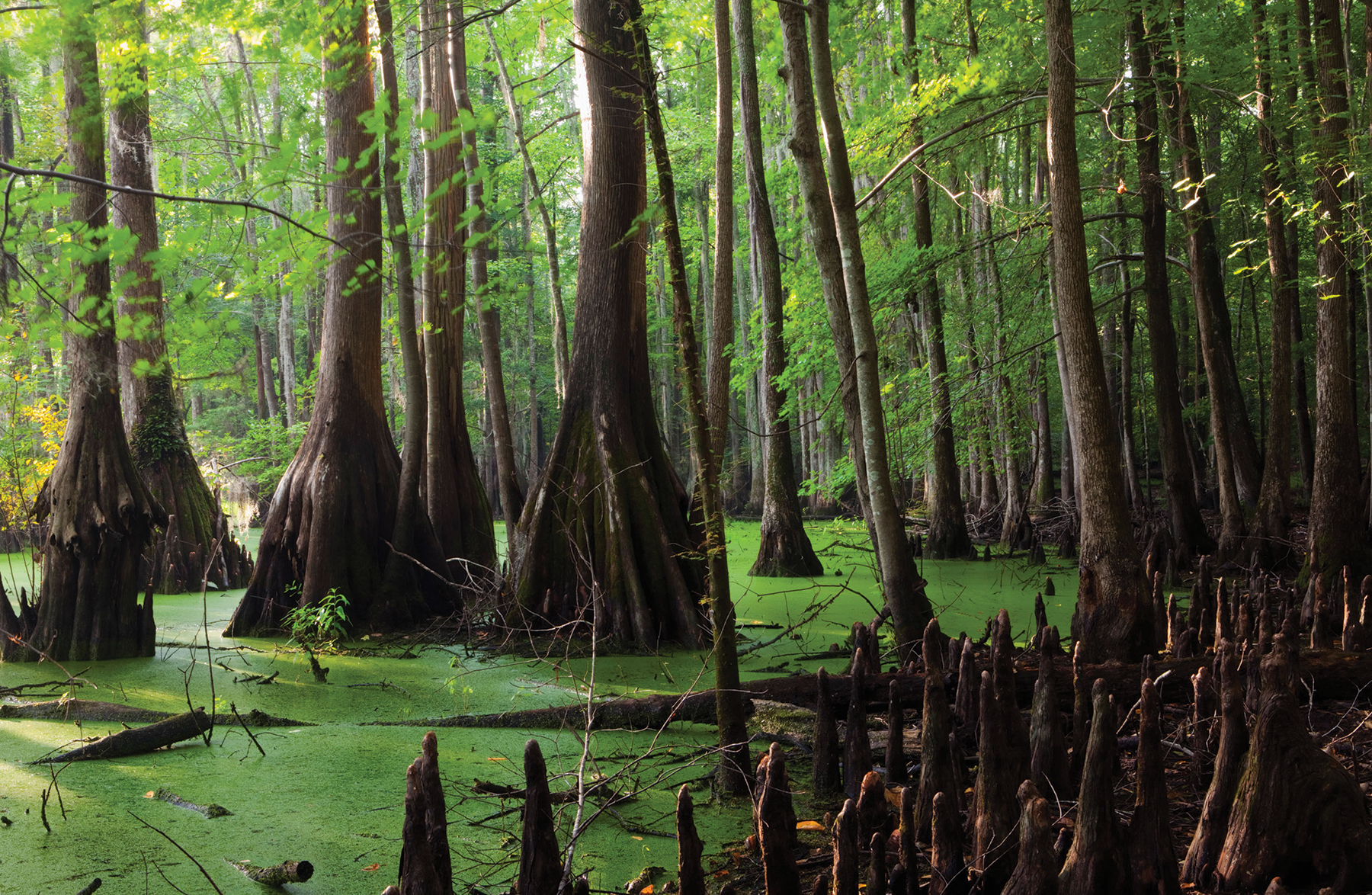
People often imagine a swamp as a flat pool of muddy water with mosquitoes and nothing else. The Great Dismal Swamp defies that simple picture. It is a complex wetland system with forested sections, canals, ditches, ponds, and changing water levels depending on season and rainfall. In many areas, the surface is not open water. Instead, it is saturated ground and peat soil beneath a forest canopy. The trees and understory create a layered environment where life thrives in ways that are not always obvious at first glance.
The swamp’s peat is part of what makes it unique. Peat forms over long periods from plant material that does not fully break down in wet conditions. It stores water, supports specialized plant communities, and holds carbon that has accumulated over centuries. That peat also explains why the swamp feels spongy in places and why managing water levels matters so much. When wetlands like this dry out too much, the ecosystem shifts and risks increase, including the potential for severe fires that burn underground through peat.
In Chesapeake, the Great Dismal Swamp is closely tied to protected lands that preserve what remains of this historic landscape. It is a place where conservation is not a distant idea. You can see it in the maintained access points, the carefully managed trails, and the ongoing effort to protect habitat while still welcoming visitors.
Chesapeake’s Gateway Into the Swamp
Chesapeake offers one of the most important entry points for people who want to experience the swamp. The city’s access areas allow visitors to step into an environment that feels wild and quiet, even though suburban life is not far away. That contrast is part of what makes the Great Dismal Swamp so special in Chesapeake. You can leave a normal day behind without traveling for hours.
For locals, the swamp becomes a regular escape. Some people come for long walks, others for birdwatching, and some for the calm you cannot find in more developed spaces. The area around the swamp invites repeat visits because the experience changes with time. A trail that feels bright and green in spring may feel shadowy and moody in late fall. After rain, the ground and waterways seem fuller, and the swamp feels more alive. In drier stretches, you may notice the shape of old water management features and the way the forest adapts.
For visitors, Chesapeake’s proximity means you can pair a swamp visit with the rest of what the city offers. You can spend the morning among cypress and cedar and still have lunch in town. You can explore nature, then return to modern comfort. That combination makes the Great Dismal Swamp an easy highlight for anyone traveling through Hampton Roads.
A Place Where Wildlife Still Feels at Home
One of the most rewarding parts of visiting the Great Dismal Swamp is realizing how much life is present. The swamp supports a wide range of animals, and many of them are easier to notice than you might expect if you move slowly and pay attention. Deer are common. Birds are abundant, especially in seasons when migration increases activity. You may hear woodpeckers, see hawks overhead, or catch flashes of color in the understory as smaller birds move quickly through brush.
The swamp is also known as habitat for larger animals like black bears, which adds to its reputation as a genuine wilderness space. Most visitors will not see a bear, but the idea that they live there changes how people experience the landscape. It reminds you that this is not just a park, it is a living ecosystem that still functions as real habitat.
Insects, amphibians, and reptiles also play a major role. On warm days you might hear frogs and notice dragonflies cruising near water. In wetter seasons, the swamp’s edges feel especially active. The richness of life is not always dramatic, but it is constant. It is in the movement of leaves, the calls you cannot identify, the sudden splash in a canal, and the way the forest seems to watch quietly.
The Forest, the Water, and the Feeling of Time
The Great Dismal Swamp is as much about atmosphere as it is about scenery. The forest canopy creates a sense of enclosure that can feel comforting or eerie depending on your mood. Sunlight breaks through in beams, highlighting the texture of trunks and the shifting green of leaves. The understory can be thick, and the deeper you look, the more you notice how the swamp layers itself. Moss, ferns, shrubs, vines, and young trees fill the space between trunks. Everything seems to be growing, waiting, or slowly changing.
Water defines the experience even when it is not visible as a wide surface. You can often sense it in the dampness, the smell of the soil, and the way certain plants cluster. Canals and ditches create straight lines that contrast with the natural shapes of the forest. They remind you that the swamp has been altered and managed. Yet even those human made features have become part of the ecosystem, supporting wildlife and shaping how visitors move through the landscape.
The feeling of time is strong here. Many landscapes feel new because development changes them quickly. The swamp feels old. It holds stories and evidence of long natural processes. Even when you cannot see the history directly, you can feel it in the depth of the environment and the sense that you are walking through something that existed long before modern Chesapeake.
The Human Story Inside the Swamp
The Great Dismal Swamp is not only a natural site, it is also a historic and cultural landscape. Over centuries, people have tried to use it, reshape it, and survive within it. The swamp was seen by many outsiders as an obstacle, something to drain and turn into profitable land. That attitude led to major efforts to cut canals, dig ditches, and extract timber. Those changes reduced the swamp and altered its natural water systems.
At the same time, the swamp became a place of refuge. Its density and difficulty made it a hiding place and a home for people who were determined to live outside the control of the surrounding society. That part of the swamp’s history adds a powerful layer to the experience of visiting. It is a reminder that wilderness can protect as well as challenge. The Great Dismal Swamp holds not only natural life, but also human resilience and struggle.
This history is part of what makes the swamp feel emotionally heavy in a meaningful way. You are not walking through an empty forest. You are walking through a place that has been used, feared, exploited, and relied upon. That mix of meanings gives the Great Dismal Swamp a depth that goes beyond recreation.
How to Experience It Without Rushing
The best way to experience the Great Dismal Swamp in Chesapeake is to treat it as a place for slow attention. It is not a destination that demands a checklist. It rewards patience. A short walk can be satisfying if you focus on what is around you, but longer visits reveal more. The longer you stay, the more you notice patterns. You begin to recognize bird calls, shifts in plant types, and how water changes the look of the ground.
Comfort matters because the swamp environment can be intense in warm months. Planning for insects, weather, and trail conditions makes a big difference. When you are prepared, you can relax and let the place work on you. You can listen, breathe, and watch. You can treat it like a reset.
Many visitors leave with a different understanding of Chesapeake itself. Seeing the swamp helps you realize how much of the region’s identity is tied to wetlands, waterways, and the natural systems that shaped settlement and growth. The swamp makes the modern city feel like just one layer in a much longer story.
Why the Great Dismal Swamp Matters to Chesapeake
For Chesapeake, the Great Dismal Swamp is a defining feature that adds character and meaning to the city. It offers a rare sense of wilderness within reach of everyday life. It supports wildlife, protects important habitat, and preserves a landscape that has become increasingly rare across the eastern United States.
It also gives Chesapeake a unique cultural landmark. Many cities have parks and trails, but not many have a place with this level of history and ecological weight. The swamp is a reminder that the region’s story is not only about growth and development. It is also about nature, survival, and the long relationship between people and the land.
When you visit the Great Dismal Swamp in Chesapeake, you are not just taking a walk. You are stepping into an environment that carries layers of time, water, and memory. It is quiet, powerful, and surprisingly close.
Discover more from City Towner
Subscribe to get the latest posts sent to your email.