The History of Providence, RI: From Colonial Haven to Creative Capital
Providence, Rhode Island, is a city layered with nearly four centuries of history. Founded in 1636 by Roger Williams as a haven for religious freedom, Providence has grown from a small settlement on the banks of the Providence River into the vibrant capital city it is today. Its story is one of resilience, innovation, and reinvention—from its colonial roots and maritime prosperity to its pivotal role in the American Revolution, industrial might, and modern-day reputation as the “Creative Capital.” This article explores the remarkable history of Providence RI, tracing the events, people, and trends that have shaped its unique identity.
Founding Providence: A Refuge for Religious Freedom
The story of Providence begins with Roger Williams, a theologian and advocate for the separation of church and state. Forced to flee the Massachusetts Bay Colony in 1636 due to his radical views on religious liberty, Williams found refuge among the Narragansett people. He purchased land from them and established a settlement, naming it “Providence” in gratitude for what he saw as divine guidance and protection. Williams envisioned Providence as a “shelter for persons distressed of conscience,” attracting other dissenters and laying the groundwork for Rhode Island’s enduring commitment to religious and political tolerance.
Early Settlement and Growth
The first decades of Providence were marked by cooperation with Native Americans and a focus on self-sufficiency. The settlement’s location at the head of Narragansett Bay made it an accessible port, encouraging fishing, farming, and trade. As more settlers arrived, Providence grew, but not without challenges. Disputes over land boundaries with neighboring colonies and internal debates over governance were common. Over time, Providence expanded, though it was periodically partitioned to create new towns such as Scituate, Glocester, Smithfield, Cranston, Johnston, and North Providence during the 18th century.
Providence in the Colonial Era and Revolutionary War
By the 18th century, Providence had become a thriving port city. Its merchants engaged in trade with the West Indies, Europe, and beyond, exporting goods such as rum, molasses, and livestock. The city’s economic vitality was reflected in its architecture: wooden colonial homes gave way to brick mansions and public buildings, some of which remain today.
Providence played a significant role in the events leading up to and during the American Revolution. The city was a center for revolutionary sentiment, and its craftspeople and merchants supplied the Continental Army with essential goods. Rhode Island was the first colony to officially renounce allegiance to the British crown in 1776, and Providence citizens were active in both the political and military efforts of the Revolution. The city’s location and resources made it a strategic hub for the movement of troops and supplies.
Industrial Revolution: A City Transformed
The 19th century brought dramatic change to Providence. The city was among the first in the United States to industrialize, taking advantage of its rivers for water power. Textile mills, machine shops, and factories sprang up along the Woonasquatucket and Moshassuck Rivers. Providence became especially known for its jewelry, silverware, and textile industries, earning the nickname “The Jewelry Capital of the World.” The city attracted waves of immigrants seeking work, contributing to its diverse culture and rapid population growth. By the mid-1800s, Providence was one of New England’s largest and most prosperous cities.
Urban Development and Infrastructure
As industry boomed, Providence’s urban landscape evolved. The city incorporated in 1831, and infrastructure projects such as bridges, railroads, and public buildings proliferated. The Rhode Island State House, completed in 1904, stands as a testament to the city’s ambition and architectural grandeur. Neighborhoods developed around mills and factories, with triple-decker homes and tenements housing workers and their families. The city’s street names—Benefit, Hope, Friendship, India—reflect both its founding ideals and its commercial aspirations.
Twentieth Century Challenges and Renewal
The 20th century was a period of both hardship and renewal for Providence. Like many American industrial cities, Providence faced economic decline as manufacturing jobs moved elsewhere and the national economy shifted. The mid-century saw urban decay, population loss, and infrastructure that obscured the city’s rivers and historic features.
Yet, Providence’s resilience shone through. Beginning in the late 1970s and accelerating in the 1990s, the city embarked on extensive revitalization efforts. Projects such as uncovering and relocating the Woonasquatucket and Moshassuck Rivers—once hidden beneath concrete—helped restore the heart of downtown. The creation of Waterplace Park and the installation of the popular WaterFire art event (learn more at WaterFire Installation In Providence Rhode Island) reconnected residents and visitors with the city’s natural and historical assets.
Modern Providence: Creative Capital
Today, Providence is recognized as the “Creative Capital,” a nod to its thriving arts, design, and culinary scenes. The city’s economy has shifted toward service industries, with healthcare and higher education as major employers. Eight hospitals and eight colleges and universities, including Brown University and the Rhode Island School of Design, call Providence home. These institutions attract students, professionals, and innovators from around the globe, infusing the city with energy and creativity.
Providence’s neighborhoods reflect its layered history, from colonial-era streets on the East Side to converted mill lofts and vibrant cultural districts. The city’s historic preservation efforts have maintained its architectural heritage while embracing new development. Annual events, diverse cuisine, and a welcoming spirit continue to draw visitors and new residents alike.
Landmarks and Legacies
- Benefit Street: Known as the “Mile of History,” this street features one of the best-preserved collections of colonial and 19th-century architecture in the country.
- Rhode Island State House: With one of the world’s largest self-supporting marble domes, it symbolizes Providence’s civic pride.
- Waterplace Park and Riverwalk: A centerpiece of downtown renewal, it hosts the celebrated WaterFire installation.
- John Brown House: A museum offering insights into Providence’s mercantile and revolutionary past.
- Federal Hill: A historic Italian-American neighborhood known for its vibrant food scene.
Conclusion: Providence’s Enduring Spirit
The history of Providence RI is a testament to the power of ideals, innovation, and community. From its founding as a beacon of religious freedom to its reinvention as a center for creativity and learning, Providence’s story continues to unfold. Whether you’re exploring its colonial streets, attending a festival, or studying at one of its renowned institutions, the city’s past is always present—shaping its character and guiding its future.
For those interested in delving deeper, consider visiting local museums, walking tours, or related articles such as 20 Fun Facts About Barrington Rhode Island and History of Worcester Massachusetts for more regional context. Providence invites you to discover its rich legacy firsthand.
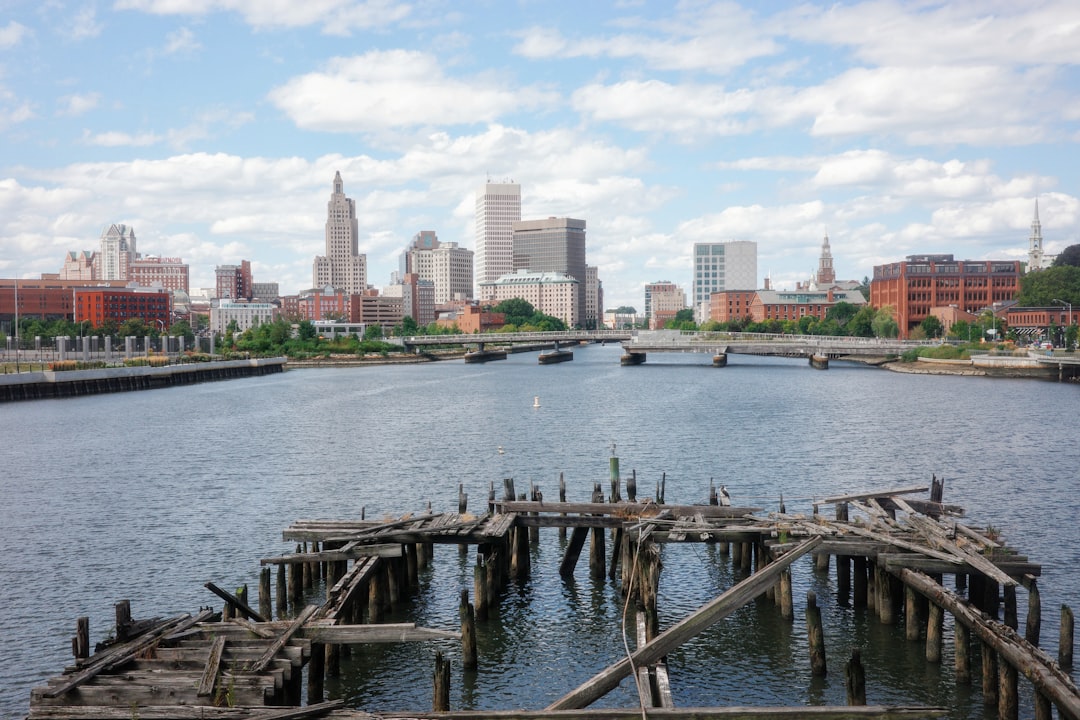
Photo by Mohammed Shonar on Unsplash
Discover more from City Towner
Subscribe to get the latest posts sent to your email.