The Unsolved Death of Jocynda Sue Irwin in Colorado Springs Colorado
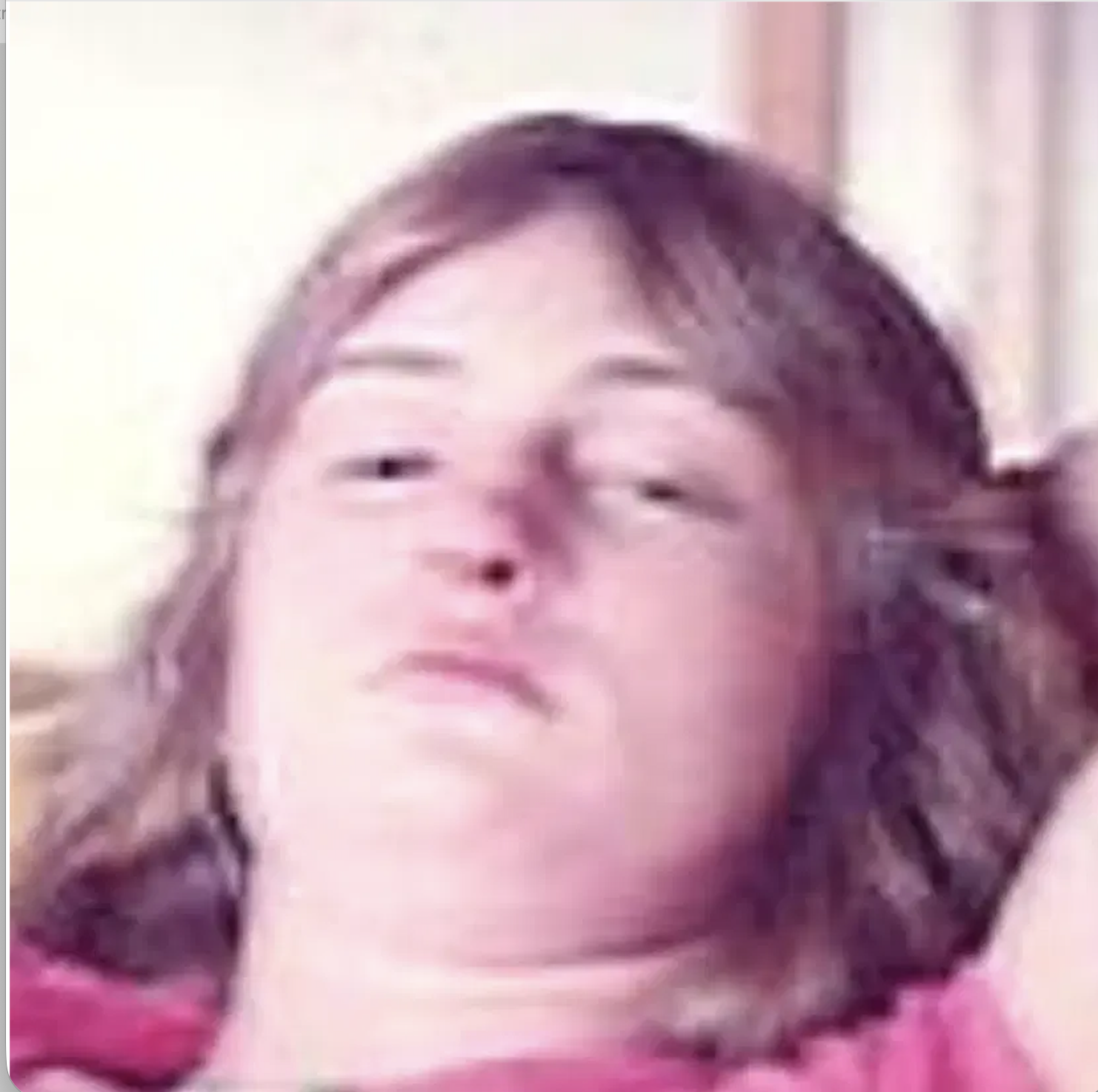
Jocynda Sue Irwin was a 24-year-old woman living in Colorado Springs, Colorado, when her life ended under mysterious and troubling circumstances on April 19, 1990. Her death has remained unresolved for decades, leaving investigators, relatives, and members of the public with unanswered questions about what happened during the final hours of her life.
Jocynda lived at an apartment on Williams Street in Colorado Springs and reportedly stayed there with her boyfriend, Melvin Vahsholz. She worked part time at an automobile salvage business and did not own a vehicle. Because she lacked regular transportation, she was known to walk, accept rides, or hitchhike when traveling around the area.
Those details later became important because investigators had to reconstruct how Jocynda moved from one location to another during the night before her body was found. Her final known movements involved several locations, multiple people, and a narrow period of several hours during which something caused her to leave, or be taken from, the apartment where she was last seen.
The Evening Before Her Death
On April 18, 1990, Jocynda spent time at a barbecue with her boyfriend and members of her family. Available accounts indicate that the gathering was not initially considered unusual. At some point after the barbecue, Jocynda and her boyfriend returned to their apartment in Colorado Springs.
Later that night, Jocynda decided to go out alone. She traveled to the Dynasty Lounge, a local bar where she reportedly consumed several alcoholic drinks. It is unclear why she went to the bar alone, how she traveled there, or whether she had arranged to meet anyone.
The atmosphere inside the lounge and the identities of everyone who interacted with Jocynda that evening have not been fully described in publicly available information. However, two men became important witnesses because they were reportedly with her when she left the business.
At approximately 1:45 a.m. on April 19, 1990, Jocynda departed the Dynasty Lounge with the two men. Investigators would later question them about where they went, how long Jocynda remained with them, and what occurred before they separated.
The Late Night Visit to a Waffle House
After leaving the Dynasty Lounge, Jocynda and the two men traveled to a Waffle House on South 8th Street in Colorado Springs. They remained at the restaurant for approximately 30 minutes.
The restaurant visit is one of the final confirmed stages in Jocynda’s known timeline. The men reportedly stated that they left the Waffle House at approximately 2:15 a.m. and drove Jocynda back to her apartment on Williams Street.
According to their account, they did not simply drop Jocynda near the building and immediately leave. They reportedly watched her enter the apartment, believing they had safely returned her home.
Their statements placed Jocynda alive at her residence sometime between approximately 2:15 and 2:30 a.m. on April 19, 1990. This sighting created a critical starting point for investigators because her body was found only several hours later.
If the men’s account was accurate, Jocynda entered the apartment alive and later left again. It is unknown whether she departed voluntarily, met someone outside, accepted another ride, or was taken from the residence against her will.
The Discovery Near Rampart Range Road
At approximately 10:00 a.m. on April 19, 1990, Jocynda’s body was discovered near Rampart Range Road and Loy Gulch Road in the Woodland Park area. The location was several miles from her apartment in Colorado Springs and far from the places where she had spent the previous evening.
The area surrounding Rampart Range Road includes wooded land, isolated roads, rugged terrain, and locations where a person or vehicle might not immediately attract attention. The distance between the apartment and the recovery site strongly suggested that transportation was involved.
Jocynda was reportedly wearing blue Levi’s jeans, a black blouse with a floral design, and a lightweight plaid jacket. These clothing descriptions may have helped investigators compare witness statements and determine whether she had changed clothes after returning home.
The discovery presented several immediate questions. Investigators needed to determine how Jocynda reached the remote area, who transported her, whether she died at the scene, and whether her body had been moved after her death.
The relatively brief period between her last reported sighting and the discovery of her body also narrowed the timeline. Fewer than eight hours separated her reported arrival at the apartment from the recovery of her remains.
Questions About the Cause of Death
The medical details surrounding Jocynda’s death have created confusion because public case summaries do not always use identical language.
Some accounts state that an overdose was identified as the medical cause of her death. Other official descriptions say that the cause or circumstances were undetermined. These statements are not necessarily incompatible because the cause of death and manner of death are different classifications.
The cause of death describes the physical condition that caused the person to die. The manner of death addresses whether the death was natural, accidental, suicidal, homicidal, or undetermined.
An overdose could identify the medical cause while leaving investigators unable to determine whether the substances were taken voluntarily, administered by another person, consumed unknowingly, or used in circumstances involving criminal conduct.
Authorities have continued to list Jocynda’s death as an unsolved homicide investigation. That classification indicates that investigators viewed the circumstances as suspicious and believed another person may have contributed to her death, moved her body, concealed evidence, or abandoned her near Rampart Range Road.
The publicly available information does not identify the substance involved, the concentration found in her body, how it entered her system, or whether additional injuries were discovered. It also does not explain whether investigators found evidence that she had been assaulted, restrained, or incapacitated.
The Missing Hours After Jocynda Returned Home
The most important unanswered portion of the case involves the hours between approximately 2:30 a.m. and 10:00 a.m. on April 19, 1990.
Investigators had to determine what occurred after Jocynda reportedly entered her apartment. It remains unclear whether anyone else was inside, whether she spoke with her boyfriend, whether neighbors heard voices or a disturbance, or whether a vehicle arrived outside the building.
If Jocynda left voluntarily, investigators would need to understand why she went back outside so soon after returning from the bar and restaurant. She may have received a telephone call, planned to meet someone, or decided to continue socializing. There is no publicly confirmed explanation.
Another possibility is that someone arrived at the apartment and persuaded or forced her to leave. The individual may have been someone Jocynda knew and trusted, which could explain why there was no immediate disturbance.
Because she did not own a vehicle, Jocynda would have needed transportation to reach the area where her body was discovered. Identifying the driver would likely answer many of the central questions in the case.
It is also unknown whether she was alive when she arrived near Rampart Range Road. Someone may have taken her there while she was conscious, transported her after she became incapacitated, or moved her body after she died elsewhere.
The People in Jocynda’s Final Timeline
The two men who left the Dynasty Lounge with Jocynda were among the last known people to see her alive. Their account placed her at the Waffle House and later at her apartment.
Public case descriptions do not name the men, explain their relationship with Jocynda, or provide detailed information about how investigators evaluated their statements. It is not known whether surveillance footage, restaurant receipts, employees, or other witnesses verified their account.
Jocynda’s boyfriend was also an important figure because he reportedly shared the apartment where she was last seen. Investigators would have needed to determine his whereabouts, when he last spoke with Jocynda, and whether he saw her after she returned from the Waffle House.
Some online case listings describe him as an associated person or person of interest. Such a description does not mean he committed a crime or that authorities found evidence sufficient to charge him. Investigators commonly examine the people closest to a victim when reconstructing a homicide timeline.
No publicly available information indicates that Jocynda’s boyfriend, the two men from the bar, or anyone else was arrested or charged in connection with her death.
Challenges Facing the Investigation
The investigation began in 1990, when forensic technology was far less advanced than it is today. DNA testing was in its early stages, digital surveillance was uncommon, and investigators could not use mobile telephone records, location data, or electronic messages to trace a victim’s movements.
Much of the case depended on witness statements, physical evidence, medical findings, vehicle descriptions, and interviews with people who had seen Jocynda during her final hours.
The overdose finding may also have complicated the investigation. If no obvious traumatic injury was present, investigators may have struggled to prove that another person caused her death. They also needed to distinguish between an accidental overdose and a homicide involving forced or deceptive drug administration.
The recovery site presented additional difficulties. An outdoor location can expose evidence to weather, animals, vehicle traffic, and environmental contamination. Investigators needed to determine whether objects near the body were connected to Jocynda or had been left there previously.
Any unidentified fingerprints, biological material, clothing fibers, hair, soil, or trace evidence collected in 1990 could potentially hold value today. Modern forensic testing may reveal information that was unavailable when the investigation began.
Why the Case Remains Suspicious
Several details continue to make Jocynda’s death suspicious.
She was reportedly seen safely entering her apartment, yet her body was found hours later in an isolated area she could not easily have reached without assistance. She did not own a car, making it unlikely that she drove herself to Rampart Range Road.
The location where her body was discovered also raises questions about concealment. A person attempting to avoid detection might choose a wooded or remote road instead of leaving a victim in a populated area.
The uncertain circumstances of the overdose are equally important. Even when a drug causes death, another person may still be criminally responsible if the substance was secretly administered, forced upon the victim, provided in a dangerously concentrated form, or used to incapacitate the victim during another crime.
Someone may also have failed to seek medical assistance after realizing that Jocynda was in distress. Instead of calling for help, that person may have transported her to the remote location and left her there.
The public record does not explain which of these possibilities investigators consider most likely. However, the continuing homicide classification suggests that authorities have not accepted a simple accidental explanation.
An Open Case Without an Arrest
More than three decades have passed since Jocynda Sue Irwin died, but her case has not been publicly resolved. No person has been convicted of causing her death, and no complete account of her final hours has emerged.
The El Paso County Sheriff’s Office has remained the investigating agency, and the case has been included in Colorado’s collection of unresolved homicides and suspicious deaths.
Cold cases often depend on people coming forward with information they withheld when the crime occurred. A witness may have been afraid, loyal to a suspect, involved in illegal activity, or uncertain that a small detail mattered.
Someone may remember seeing Jocynda in a vehicle, hearing an argument near her apartment, noticing unusual activity near Rampart Range Road, or hearing another person discuss the case.
Even limited information could help investigators identify a vehicle, challenge an old statement, or establish who was with Jocynda after she returned home.
Remembering Jocynda Beyond the Case File
Jocynda Sue Irwin was more than the subject of an unsolved investigation. She was a young woman with relatives, friends, routines, employment, and a life that continued to matter to the people who knew her.
Her death became defined by locations and times: the Dynasty Lounge, the Waffle House, the apartment on Williams Street, and the roadside near Woodland Park. Behind those details was a person whose future was taken away before she reached her 25th birthday.
The unresolved nature of the case has denied her family a complete explanation of what happened and who was responsible. Every unanswered question has remained part of the burden carried by those who cared about her.
The Search for Answers Continues
The murder investigation involving Jocynda Sue Irwin remains centered on the unexplained journey from her Colorado Springs apartment to the remote location where her body was found on April 19, 1990.
Investigators know where she spent the evening, who reportedly accompanied her from the bar, where she ate, and when she was said to have returned home. What remains unknown is what happened next.
Someone transported Jocynda away from Williams Street or encountered her after she left. Someone may know how she reached Rampart Range Road, what caused the overdose, and why she was left in the Woodland Park area.
Until those questions are answered, the death of Jocynda Sue Irwin will remain an unresolved Colorado homicide and a lasting mystery from the early morning hours of April 19, 1990.
Discover more from City Towner
Subscribe to get the latest posts sent to your email.