
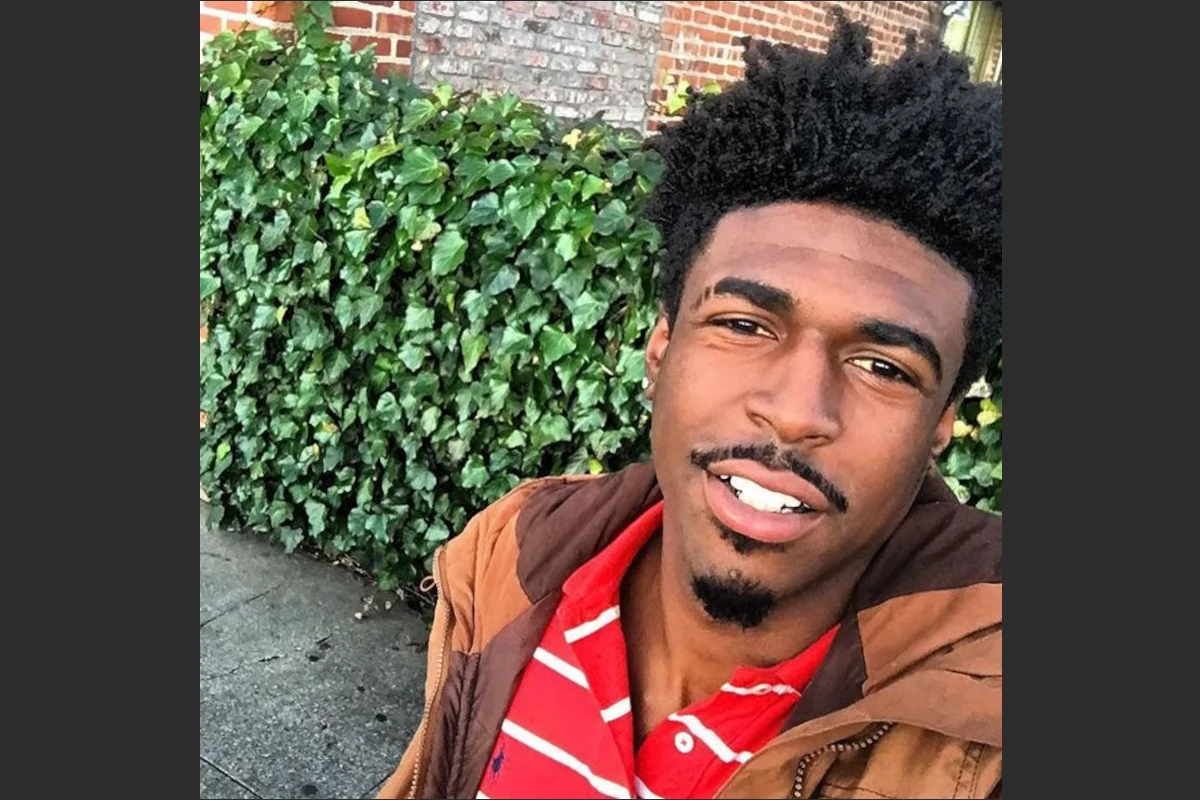
Justin Bell Fatally Shot at Vacant Building in Hayward California
The murder of Justin Bell remains an unresolved homicide that continues to raise difficult questions in Hayward, California. Justin was 23 years old when he was found fatally shot inside a vacant building on December 3, 2018. Police responded to the location after receiving a report of a shooting, but by the time officers arrived, Justin had suffered injuries that proved fatal.
The circumstances surrounding his death were immediately troubling. He was discovered in an empty structure rather than in a home, business or public gathering place. That setting suggested that the shooting may have occurred away from large numbers of witnesses, which would have made the investigation more difficult from the beginning.
Authorities identified Justin several days after the shooting and asked the public for information. However, no publicly confirmed arrest, suspect or motive emerged from the initial reports. Years later, the central questions remain unanswered. Investigators have not publicly explained why Justin was at the building, who he may have been meeting or what happened in the moments before gunfire ended his life.
Who Justin Bell Was
Justin Bell was a 23 year old resident of Hayward, California. Friends and people who remembered him described him as outgoing, funny and loving. He was remembered as someone who smiled often and had a personality that made an impression on those around him.
Some memorial accounts referred to Justin by nicknames used by friends. Those recollections offered a more personal picture than the brief police and news reports, which focused primarily on the location and circumstances of his death.
Justin was still a young man at the beginning of adulthood. At 23, he should have had years ahead of him to build relationships, pursue work, raise a family and create a future. Instead, his life ended violently inside a vacant building with no publicly known explanation.
Reports associated with the case also suggested that Justin had experienced personal challenges and was trying to move forward. Some accounts stated that he had recently aged out of foster care. While the full details of his life were not widely reported, that information suggests he may have faced the difficult transition from a structured care system into independent adulthood.
Young people leaving foster care often must manage housing, employment, transportation and financial pressures with limited support. Whether any of those issues had a connection to Justin’s death has never been publicly established. However, they provide important context about the circumstances he may have been navigating before he was killed.
The Afternoon of December 3, 2018
On Monday, December 3, 2018, law enforcement officers were sent to the 22000 block of Maple Court near Hayward. The call came at approximately 4:30 p.m. and involved a report that someone had been shot.
When officers arrived, they entered or approached a vacant building at the location. Inside, they found a man suffering from at least one gunshot wound. The victim was later identified as Justin Bell.
Despite the arrival of emergency responders, Justin could not be saved. He was pronounced dead at the scene.
The timing of the discovery meant the shooting occurred during the late afternoon, when many people may have been returning home from work or traveling through the surrounding area. Even so, publicly released information did not identify any witness who saw the shooting happen.
Investigators did not reveal whether the person who reported the shooting had heard gunfire, seen someone leaving the building or entered the structure and found Justin. The identity of the caller was not made public.
That missing information is significant because the reporting person may have been the last known individual near the scene. Police may have interviewed that person in detail, but any information obtained was not included in the limited public announcements.
The Location on Maple Court
Justin was found in the 22000 block of Maple Court in the Hayward area. Some reports described the location as an unincorporated section near Hayward rather than a location fully within the city’s boundaries.
The difference between a city location and an unincorporated county area can affect which law enforcement agency has primary jurisdiction. However, Hayward police were involved in the public appeal for information and in the announcement identifying Justin.
The building where Justin was discovered was described as vacant or abandoned. Empty buildings can become locations for private meetings, temporary shelter, illegal activity or gatherings away from public view. They may also lack working security systems, reliable lighting or surveillance cameras.
The secluded nature of the building may have been important to whoever killed Justin. A person planning violence might select an isolated structure because there would be fewer witnesses and less chance of immediate police intervention.
It is also possible that Justin entered the building for reasons unrelated to violence and was unexpectedly confronted there. Without a publicly released timeline, it is unknown whether he arrived alone, was invited by someone or was followed.
Investigators likely examined the surrounding area for physical evidence, tire tracks, footprints, discarded items and surveillance footage from nearby properties. However, police did not publicly describe what they found.
The Identification of Justin Bell
Justin was not publicly identified immediately after the shooting. Initial reports referred to the victim only as a man who had been fatally shot.
On December 7, 2018, four days after the homicide, the Alameda County Coroner’s Bureau confirmed that the victim was 23 year old Justin Bell of Hayward.
A delay in publicly identifying a homicide victim can occur for several reasons. Authorities may need time to confirm the person’s identity, notify relatives or complete fingerprint and medical record comparisons.
The identification announcement allowed Justin’s family and friends to begin publicly mourning him. It also gave investigators the opportunity to ask anyone familiar with his activities to come forward.
Once his name was released, detectives could more openly seek information about his relationships, recent communications and movements. People who had seen Justin shortly before the shooting may have recognized the case and contacted police.
Despite that public appeal, authorities did not announce a breakthrough.
The Search for a Motive
A motive for Justin Bell’s murder was not publicly released. The lack of an announced motive leaves open many possible explanations.
The shooting could have resulted from a personal dispute, a planned robbery, a conflict involving money or an argument that escalated. It could also have involved someone Justin knew and trusted.
Because Justin was found inside a vacant building, investigators would have needed to determine why he entered the structure. If he arranged to meet someone there, telephone records or messages may have revealed the identity of that person.
Police likely examined his mobile phone, social media activity and recent contacts. They may also have interviewed friends, relatives and acquaintances to identify anyone who had threatened him or had a recent disagreement with him.
None of those investigative findings were made public.
The possibility of robbery cannot be confirmed or dismissed because reports did not state whether Justin’s wallet, telephone or other possessions were missing. Police also did not reveal whether the building was known as a place where people gathered or conducted illegal activity.
Without a motive, the public has little ability to understand why Justin was targeted. That uncertainty can make it harder for witnesses to recognize the importance of information they may have.
Evidence at the Crime Scene
Public reports provided very few details about the physical evidence recovered from the building.
Authorities did not say how many times Justin was shot or where he was wounded. They also did not identify the type of firearm used or whether shell casings were recovered.
Shell casings can provide valuable information about the caliber and type of weapon involved. They may also contain fingerprints or biological material, although such evidence is not always recoverable.
Ballistic testing can connect a firearm to other shootings if the same weapon was previously used and evidence was entered into a national database. It is unknown whether evidence from Justin’s case produced any such connection.
Investigators may also have collected fingerprints, DNA, clothing fibers and other material from the building. However, a vacant structure may have contained evidence left by many unrelated people, making it difficult to determine what was connected to the homicide.
Police did not disclose whether a weapon was found at the scene. No public report described signs of a struggle, forced entry or damage inside the building.
These unanswered questions prevent a complete reconstruction of the shooting.
The Missing Timeline
One of the greatest mysteries in the case is the absence of a detailed timeline for Justin’s final day.
It is unknown where he spent the morning of December 3, 2018, or who saw him before he traveled to Maple Court. There is no public account of what he was wearing, how he arrived or whether he was traveling in a vehicle.
Investigators may have established these details privately. They may have reviewed surveillance cameras, transportation records or telephone location data.
A complete timeline could reveal whether Justin went directly to the building or stopped elsewhere first. It might also show whether another person traveled with him or followed him.
The time of death was not publicly specified beyond the fact that officers responded at approximately 4:30 p.m. It is therefore unclear whether Justin was shot moments before the call or had been inside the building for a longer period.
The difference could be important. If the shooting occurred immediately before the report, nearby residents may have heard gunfire or seen a fleeing person. If more time had passed, the killer may have had a greater opportunity to leave the area unnoticed.
The Possibility of Witnesses
Although the shooting occurred inside a vacant building, someone may have seen Justin arrive or noticed another person near the property.
Residents may have observed a suspicious vehicle, heard an argument or seen someone running from the area. Delivery drivers, workers or pedestrians could also have passed nearby around the time of the shooting.
Witnesses sometimes hesitate to speak with law enforcement because they fear retaliation, do not trust the legal system or believe their information is unimportant.
Even a minor detail can become valuable in a homicide investigation. A vehicle description, a partial license plate, clothing or the direction someone traveled could help detectives identify a suspect.
The public appeals in Justin’s case suggest investigators believed someone had information that had not been shared.
No witness has been publicly identified, and police have not announced that anyone saw the shooting.
The Impact on Justin’s Loved Ones
Justin’s murder left his relatives and friends with grief made more painful by uncertainty. They were forced to mourn without knowing why he was killed or who was responsible.
An unsolved homicide can prevent families from feeling any sense of closure. Each year that passes without an arrest may deepen the belief that the person responsible escaped accountability.
Loved ones must also live with unanswered questions about Justin’s final moments. They may wonder whether he knew he was in danger, whether he tried to escape or whether he called out for help.
Memorial messages described Justin with affection and emphasized the personal loss behind the police reports. To those who knew him, he was not simply a homicide statistic. He was a friend, relative and young man whose life mattered.
The continued absence of answers means his family cannot fully understand what happened on Maple Court.
The Investigation After the Shooting
After Justin was identified, Hayward police asked anyone with information to contact investigators. A detective was assigned to receive tips related to the case.
Law enforcement agencies often keep homicide evidence confidential to protect the investigation. Details that appear missing from public reports may have been deliberately withheld so detectives could evaluate statements from potential witnesses or suspects.
For example, police may keep the number of shots, the type of weapon or the position of the body private. A person who knows those details without being told could have direct knowledge of the crime.
However, public silence can also mean the investigation produced few strong leads. Without witnesses, video or a clear motive, detectives may struggle to identify the person responsible.
No arrest was announced in the original coverage, and later case summaries continued to describe the homicide as unresolved.
Why the Case May Be Difficult to Solve
Several factors may have made Justin Bell’s murder especially challenging.
The shooting occurred inside a vacant building where there may have been no security cameras or reliable witnesses. Investigators did not publicly identify a clear motive, which would have helped narrow the suspect list.
The exact circumstances that brought Justin to the building remain unknown. If the meeting was arranged privately, only Justin and the other person may have known about it.
Physical evidence may have been limited or contaminated by others who had previously entered the structure. The person responsible may also have removed the weapon and other important evidence.
Witness cooperation may have been another obstacle. People with knowledge of the shooting could have feared retaliation or involvement in the investigation.
As time passes, memories fade, people move away and evidence becomes harder to interpret. However, unsolved homicide cases can still be solved years later through new witness statements, improved forensic testing or renewed examination of old evidence.
The Need for Information
Someone may still know why Justin went to Maple Court and who he expected to meet. Friends or acquaintances may remember conversations he had before December 3, 2018.
A person who once remained silent may now feel safer speaking with investigators. Relationships and loyalties change, and information that seemed too dangerous to reveal years ago may eventually be shared.
Detectives may also benefit from advances in forensic science. DNA evidence that once produced no match can sometimes be reexamined using newer methods.
Ballistic evidence can also become more useful if a weapon connected to the shooting is later recovered in another investigation.
The case does not require a dramatic confession to move forward. A small piece of information could confirm a theory, identify a vehicle or place a person at the building.
Remembering Justin Bell
Justin Bell was only 23 years old when his life was taken. His murder on December 3, 2018, ended a future that had barely begun.
The limited public details should not cause his story to be forgotten. Behind every unanswered question is a family that lost someone they loved.
Justin’s death remains a reminder of how easily a young person can become reduced to a few lines in a police report. His name, personality and relationships deserve to be remembered alongside the facts of the investigation.
Until someone is held responsible, the murder of Justin Bell remains an open wound for those who knew him and an unresolved case for the Hayward community.
An Unresolved Hayward Homicide
The core facts are clear. Justin Bell was found fatally shot inside a vacant building in the 22000 block of Maple Court near Hayward, California, on December 3, 2018. He was pronounced dead at the scene and publicly identified four days later.
Everything beyond those facts remains uncertain.
No publicly confirmed motive has explained the shooting. No suspect has been publicly identified, and no arrest has brought the case to court.
The unanswered questions continue to define the investigation. Why was Justin at the building? Who was with him? Who called police? What evidence was recovered? Why was he killed?
Until those questions are answered, the murder of Justin Bell will remain one of the unresolved tragedies connected to Hayward and the surrounding Alameda County community.
Discover more from City Towner
Subscribe to get the latest posts sent to your email.