Katrina Montgomery Killed After Thanksgiving Weekend Party in Ventura California
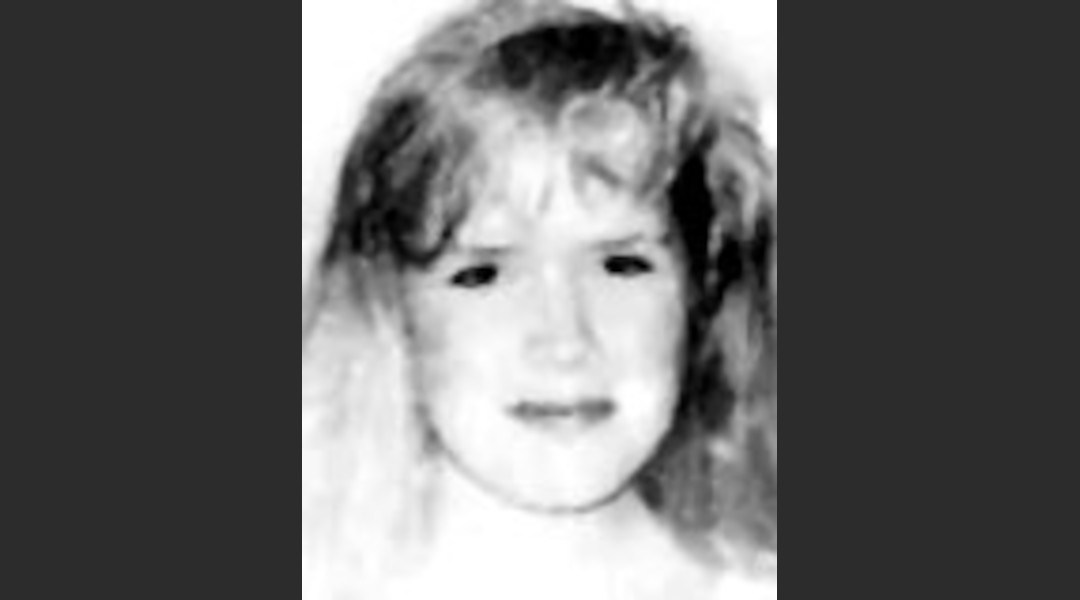
Katrina Montgomery, often called Trina by those who knew her, was a 20-year-old college student whose life ended violently during Thanksgiving weekend in 1992. She attended Santa Monica College, worked as a waitress at Jerry’s Famous Deli, and hoped to build a future as a professional photographer.
Katrina was remembered as a young woman with ambitions, friendships, and family connections that stretched across Southern California. She had plans to attend a family gathering in Santa Barbara after Thanksgiving, but she never arrived. Her disappearance quickly became a source of fear for her relatives, especially after her pickup truck was discovered abandoned with blood inside.
Although Katrina’s remains have never been recovered, investigators eventually uncovered enough evidence to determine that she had been sexually assaulted and murdered inside a condominium in Ventura, California, during the early morning hours of November 28, 1992.
Her case became one of the most disturbing homicide investigations in Ventura County history because it involved gang associations, frightened witnesses, efforts to conceal evidence, and a body that was never found.
Thanksgiving Weekend in Southern California
Thanksgiving Day in 1992 fell on November 26. Katrina spent part of the holiday with her family in Los Angeles and was expected to attend another family gathering in Santa Barbara on November 28.
On November 27, Katrina drove from the Los Angeles area to a party at a house in North Oxnard. The gathering took place at a residence in the 1200 block of Azalea Street and included people connected to a white supremacist gang known as the Skin Head Dogs.
Katrina had previously dated Mitch Sutton, one of the gang’s founders. Through that relationship, she had become acquainted with several people associated with the group, including Justin James Merriman.
Merriman had developed a romantic and sexual interest in Katrina, but she did not return his feelings in the same way. Evidence later presented in court showed that Katrina viewed him primarily as a friend and had rejected or resisted his attempts to become physically involved with her.
That rejection became an important part of the events that unfolded during the party and later at Merriman’s condominium.
A Party Marked by Alcohol and Conflict
The gathering at the Oxnard home included heavy drinking and reported drug use. Some guests consumed marijuana and LSD, and several arguments and physical confrontations occurred during the night.
Witnesses later described tension between Katrina and Merriman. At one point, the two were seen wrestling or struggling in a bedroom. Katrina reportedly told Merriman to stop when he attempted to kiss her.
One witness remembered seeing Katrina holding her stomach as if she had been struck. Another recalled that someone was holding her down during part of the encounter.
Merriman was also seen repeatedly handing a knife to a younger gang associate while making comments about getting Katrina. The younger witness initially believed Merriman was joking, but the statements took on a much darker meaning after Katrina disappeared.
The party became increasingly chaotic as the night continued. Katrina had been drinking, and the homeowner, Apryl Porcho, reportedly took away her vehicle keys because she did not want Katrina driving while intoxicated.
Katrina later showered, changed clothes, and attempted to speak with Merriman by telephone. An argument developed when Apryl tried to stop the conversation and prevent Katrina from leaving the house.
After approximately 30 minutes of conflict, Katrina recovered the keys to her Toyota pickup truck and left the residence near dawn.
Katrina Drives to Ventura
Apryl believed Katrina was returning to Los Angeles. Instead, Katrina drove to the Ventura condominium where Merriman lived with his mother and sister.
Two younger gang associates, Larry Nicassio and Ryan Bush, were already at the condominium. They had left the Oxnard party with Merriman and later became critical witnesses in the investigation and prosecution.
Katrina’s decision to drive to the condominium placed her in a dangerous environment with a man who had already displayed hostility toward her earlier that evening.
The exact reason she went there remains uncertain. She may have wanted to discuss their argument, retrieve something, continue socializing, or settle an unresolved issue. Whatever her intentions were, the visit ended in a brutal attack.
The events inside the condominium were later reconstructed through witness testimony, physical evidence, recorded conversations, and statements collected during the investigation.
The Sexual Assault of Katrina Montgomery
According to testimony presented during Merriman’s trial, he sexually assaulted Katrina inside his bedroom while Nicassio and Bush were present.
Katrina repeatedly told him to stop. She cried during the assault and made it clear that she did not consent to what was happening.
The presence of other people in the residence did not protect her. The younger witnesses were reportedly intimidated by Merriman and influenced by the gang environment surrounding them.
After the assault, Katrina began putting her clothing back on. At that point, Merriman attacked her with a knife.
The evidence showed that the assault escalated from sexual violence into murder because Merriman feared Katrina would report him to law enforcement.
The Murder Inside the Condominium
Merriman stabbed Katrina in the throat and struck her in the head with a crescent wrench. He then cut her throat.
Witnesses testified that Katrina remained alive during portions of the attack. At least one person suggested calling an ambulance, but Merriman refused.
His refusal was not based on a belief that Katrina was already beyond help. Instead, testimony indicated that he feared she would survive and identify him as the person who had assaulted her.
The attack was deliberate, violent, and intended to prevent Katrina from speaking.
After the murder, Merriman threatened the witnesses and forced them to assist with concealing the crime. The fear surrounding the gang and Merriman’s reputation played a major role in keeping the truth hidden for years.
Katrina’s body was wrapped in blankets and sleeping bags. It was then placed in the bed of her Toyota pickup truck.
The Effort to Hide Katrina’s Body
Merriman and the others transported Katrina’s body from Ventura to a rural area near Sylmar known as Sunset Farms.
The body was dragged from the truck and placed inside or near a drainage pipe. It was covered with garbage, vegetation, and other material in an effort to prevent discovery.
The group later drove Katrina’s pickup truck into Angeles National Forest. They wiped portions of the vehicle with paint thinner, apparently attempting to destroy fingerprints and other physical evidence.
They tried to push the truck down a hillside, but the attempt was unsuccessful. The vehicle was left near a turnout.
Two nights later, Bush and Nicassio reportedly returned to Sunset Farms and buried Katrina near the drainage pipe.
The area was later developed, and despite searches based on witness accounts, investigators were never able to recover her remains.
The disappearance of Katrina’s body became one of the most painful parts of the case for her family. They were denied the opportunity to bury her and never received a final physical confirmation of where she had been left.
The Discovery of Katrina’s Pickup Truck
Katrina’s blue Toyota pickup truck was eventually found abandoned in Angeles National Forest.
Her purse remained inside the vehicle. Blood was discovered on the tailgate and in the truck bed.
Testing established that the blood came from a biological child of Katrina’s parents, strongly indicating that it belonged to Katrina.
The discovery of the truck transformed the investigation from a missing person inquiry into a suspected homicide.
The blood in the truck suggested that Katrina had suffered a serious or fatal injury and that her body had likely been transported in the vehicle.
Investigators began focusing on the people who had attended the North Oxnard party and those who had interacted with Katrina during the final hours before her disappearance.
A Family Searching for Answers
Katrina’s family initially hoped she might still be alive. They distributed missing person flyers, contacted authorities, and tried to reconstruct her movements during Thanksgiving weekend.
She had been expected at a family gathering in Santa Barbara, and her failure to arrive was immediately alarming.
The discovery of the truck and the blood inside gradually destroyed hopes that she had simply left voluntarily.
Her family faced the difficult reality that Katrina had likely been murdered, but the lack of a body and the silence of witnesses prevented them from receiving a full explanation.
For years, they were left with uncertainty about where she was, how she died, and whether anyone would be held accountable.
Silence and Fear Delay the Investigation
Investigators suspected Merriman early in the case, but proving what happened was difficult.
Several witnesses provided false statements, concealed information, or refused to cooperate. Some were afraid of gang retaliation, while others feared being prosecuted for their own involvement.
The Skin Head Dogs operated within a culture that discouraged cooperation with police. Members and associates were expected to remain silent and protect one another.
People who knew details about Katrina’s disappearance discussed the murder privately, but many did not immediately tell investigators the truth.
Some witnesses reportedly helped clean the Ventura condominium after the crime. Others concealed information about Katrina’s presence at the party or lied about the events that followed.
The passage of time made the investigation more complicated, but it also changed the loyalties and fears of the people involved.
Eventually, witnesses began cooperating with authorities.
The Case Against Justin Merriman
Larry Nicassio became one of the most important witnesses in the prosecution.
He eventually pleaded guilty to voluntary manslaughter in exchange for his testimony. His statements helped investigators reconstruct the sexual assault, murder, transportation of the body, and attempted concealment.
Ryan Bush also provided information about the crime and the disposal of Katrina’s body.
Investigators collected recorded conversations and statements in which Merriman discussed Katrina’s death or attempted to intimidate witnesses.
The prosecution presented evidence showing that Merriman had been sexually fixated on Katrina, had reacted violently to her rejection, and had killed her to prevent her from reporting the assault.
The case did not depend on the recovery of Katrina’s remains. Witness testimony, blood evidence, admissions, and the circumstances surrounding the abandoned truck were used to prove that she had been murdered.
The Murder Trial and Conviction
In 2001, a Ventura County jury convicted Justin James Merriman of the first degree murder of Katrina Montgomery.
Jurors also determined that the murder occurred during the commission of rape and forced oral copulation. They found that Merriman personally used a deadly weapon.
He was convicted of additional crimes involving unrelated sexual assaults and witness intimidation.
The jury recommended a death sentence, and the court sentenced Merriman to death along with additional prison time for the other offenses.
The conviction provided Katrina’s family with legal recognition of what had happened to her, but it did not bring her body home.
In 2014, the California Supreme Court upheld Merriman’s convictions and death sentence.
Why Katrina Is Still Listed as Missing
Katrina Montgomery’s murder is legally solved, but her physical disappearance remains unresolved.
Because her remains have never been recovered, she continues to appear in missing person databases.
Witnesses identified the Sunset Farms area near Sylmar as the location where her body was hidden and later buried. However, changes to the land and uncertainty about the exact burial location prevented investigators from finding her.
Development, construction, soil movement, vegetation growth, and the passage of time may have altered the area where she was buried.
There is also a possibility that the people involved did not describe the location accurately or that the body was moved again.
As long as Katrina’s remains are missing, part of the case remains unfinished.
The Difference Between Thanksgiving Day and Thanksgiving Weekend
Some accounts describe Katrina as being murdered on Thanksgiving, but the timeline is more precise.
Thanksgiving Day was November 26, 1992. Katrina spent time with her family that day.
The Oxnard party began on November 27. Katrina left near dawn and drove to Merriman’s condominium in Ventura.
The sexual assault and murder occurred during the early morning of November 28, 1992.
The crime therefore happened during Thanksgiving weekend, not on Thanksgiving Day itself.
This distinction is important because Katrina was expected to attend another family gathering on November 28, the same day she was murdered.
The Lasting Impact of the Case
The murder of Katrina Montgomery was not only an act of violence against one young woman. It also revealed the destructive effects of gang loyalty, witness intimidation, sexual violence, and fear.
Several people knew what had happened but remained silent. That silence allowed the case to remain unresolved for years and prolonged the suffering of Katrina’s family.
The case also demonstrated that a murder prosecution can succeed without the victim’s body when other evidence proves what happened.
Witness testimony, blood evidence, admissions, and the discovery of Katrina’s truck created a powerful case against Merriman.
Even so, the absence of her remains continues to leave emotional and practical questions unanswered.
Remembering Katrina Montgomery
Katrina Montgomery should be remembered as more than the victim of a violent crime.
She was a daughter, student, employee, aspiring photographer, and young woman preparing to build an adult life.
Her future was taken from her during the early morning hours of November 28, 1992, inside a Ventura condominium.
Her family waited for her at a holiday gathering, not knowing that she had already been murdered.
They later endured years of uncertainty, court proceedings, and painful testimony about the final moments of her life.
The conviction of Justin Merriman established responsibility for Katrina’s death, but the search for her remains never reached a successful conclusion.
A Solved Murder With an Unfinished Ending
The murder of Katrina Montgomery is both solved and unresolved.
It is solved because a jury determined that Justin Merriman sexually assaulted and murdered her in Ventura, California, on November 28, 1992.
It remains unresolved because Katrina’s body has never been recovered.
Her final known journey began at a party in North Oxnard, continued at Merriman’s condominium in Ventura, and ended with an effort to conceal her remains near Sylmar.
Her pickup truck was abandoned in Angeles National Forest, carrying the blood evidence that helped expose the crime.
More than three decades later, Katrina remains missing, but the truth about her murder is no longer hidden.
Discover more from City Towner
Subscribe to get the latest posts sent to your email.