25 Fun Facts About Norfolk Virginia
Norfolk, Virginia has always been a city where the shoreline tells the truth. Long before the modern skyline, the rhythm of the tides and the curve of protected waterways made this spot in Tidewater a natural place for travel, trade, and settlement. The surrounding rivers and creeks formed a living network that connected people to food, transportation, and later to commerce. That geography did not just influence Norfolk’s rise, it defined what kind of city it would become.
When English colonists pushed outward from early settlements in Virginia, the broader region that would become Norfolk was already known for its strategic access to deep water. Over time, the area evolved into a port community where merchants, sailors, shipbuilders, and laborers built an economy around movement. Goods came in, goods went out, and the city learned early that prosperity could be carried on the tide just as easily as it could be swept away by conflict, storm, or fire.
Norfolk’s story is not simply a tale of growth. It is a story of reinvention, again and again. The city has had to rebuild after wartime destruction, retool for new industries, expand for military needs, and respond to changing transportation patterns. Through every chapter, water remained the constant, shaping the city’s work, culture, and identity.
From Colonial Port to a Recognizable Town
As colonial Virginia expanded, Norfolk grew as a port that served the trade networks of the region. Tobacco exports, imported goods, ship traffic, and maritime services helped the town develop a distinct personality. Norfolk became a place where you could feel the wider Atlantic world brushing up against local life. You could hear accents from other colonies and other countries, see cargo from far away, and watch crews preparing for voyages that might last weeks or months.
Even in its early days, the port created opportunity and tension at the same time. Commercial activity brought wealth to some and demanding labor to many others. The systems of slavery that shaped much of Virginia also shaped Norfolk’s economy and social order. Enslaved people contributed essential labor, and free Black communities also developed in complicated circumstances that changed over time. Norfolk’s early history reflects both the energy of a growing trade town and the inequality that powered much of the colonial economy.
As the town matured, it gained the infrastructure common to a working port. Docks and warehouses supported shipping, while smaller businesses grew around the needs of sailors and merchants. The presence of constant movement gave Norfolk a practical, outward facing character, less isolated than many inland communities and more accustomed to change.
Revolution and the Reality of Being a Target
Port cities often become front lines during wartime because they hold supply routes and strategic access. During the American Revolution, Norfolk experienced intense disruption, including destructive episodes that left deep marks on the community. When a city built around shipping faces military pressure, the consequences spread quickly. Trade collapses, livelihoods vanish, neighborhoods empty, and rebuilding becomes a necessity rather than a choice.
The destruction of buildings and commercial districts in this era forced Norfolk into an early cycle of recovery. That pattern of loss and rebuilding is a recurring theme in Norfolk’s history. The city’s location made it important enough to be attacked, but it also made it valuable enough to be rebuilt.
Norfolk’s recovery after revolutionary turmoil was not just physical. It involved restoring confidence in commerce, reestablishing trade relationships, and attracting investment back to the waterfront. In a port town, trust is part of the infrastructure. The city’s ability to restart the flow of goods and people set the stage for its next phase of growth.
A Nineteenth Century City With Maritime Momentum
In the decades after independence, Norfolk expanded with the young nation’s economic growth. The city strengthened its role as a gateway between inland production and Atlantic trade. As shipping increased, so did the supporting industries: repairs, ship services, storage, and the many trades needed to keep a port working efficiently.
Norfolk also benefited from improvements in transportation. As rail lines developed and regional connections strengthened, the city’s port gained access to broader markets. This made Norfolk more than a local shipping point. It became a node in larger commercial systems, where timing, logistics, and infrastructure mattered. The city’s workforce diversified as new jobs appeared in port services, rail connected commerce, and related manufacturing.
But the century also brought growing social conflict. Debates over slavery, citizenship, and political power affected Norfolk as they affected much of the South. The city’s working life could be busy and productive, while its social order remained heavily divided by race and class. Those divisions did not disappear after emancipation, they changed form, shaping the next era.
Civil War Upheaval and the Weight of Strategy
The Civil War transformed Norfolk’s daily life and long term trajectory. Tidewater’s waterways and ship facilities made the region strategically important, and the conflict brought instability that rippled through commerce, labor, and governance. The war years tested Norfolk’s resilience and highlighted how deeply the city’s future was tied to maritime power.
After the war, Norfolk entered an era of contested rebuilding. The end of slavery remade family life, labor systems, and political possibilities for Black residents, even as new restrictions and discriminatory systems emerged to limit those possibilities. The struggle to define rights and access played out across the region and within Norfolk’s neighborhoods, workplaces, and institutions.
Economically, Norfolk continued to rely on its waterfront strengths. But the terms of labor and the structure of society were in flux. This period set the foundation for the city’s later identity as a place where military and maritime industry would become dominant engines.
The Growth of a Navy Town and an Industrial Port
As the United States expanded its naval reach, Norfolk’s location became even more valuable. Deep water access, ship repair capabilities, and proximity to major waterways created the conditions for Norfolk to grow into a major military hub. Over time, the presence of naval facilities and ship related industry reshaped the city’s economy and culture.
In the twentieth century, especially during periods of global conflict, Norfolk experienced surges of activity that transformed its scale. War demands brought workers, construction, and investment. New housing, expanded services, and intensified port operations became part of life. Families arrived from elsewhere, and the city became more diverse in experiences and regional backgrounds.
Yet growth came with strain. Segregation and inequality shaped where people could live and work, what schools they could attend, and what opportunities were realistic. Norfolk, like many American cities, struggled with the tension between modernization and fairness. Large scale changes could produce progress for the city while producing displacement for specific communities.
Urban Change, Downtown Reinvention, and the Modern Era
The middle decades of the twentieth century brought major urban redevelopment. New road projects, changing transportation habits, and large scale planning reshaped Norfolk’s landscape. Some areas gained new buildings and renewed attention. Other neighborhoods experienced disinvestment or demolition, losing historic fabric and long rooted community life.
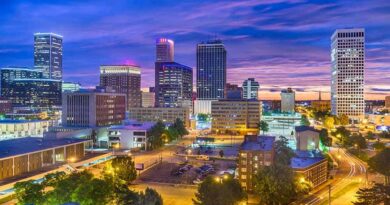
In later decades, Norfolk pushed to strengthen its downtown identity, enhance waterfront access, and support cultural institutions. This reinvention aimed to balance the city’s military and industrial presence with a civic life centered on arts, events, and tourism. Norfolk’s identity became layered: a working port, a military anchor, and a city seeking a more vibrant urban experience.
Today, Norfolk continues to face challenges that come with being a coastal city. Flooding, sea level rise, and infrastructure demands require long term planning. The city’s economic story remains tied to the port and defense related work, but it also includes universities, healthcare, arts, and small business growth. Norfolk’s modern character comes from this blend of tradition and adaptation.
Twenty Five Fun Facts About Norfolk, Virginia
- Norfolk is widely known as a major American city built around deep water access and maritime industry.
- The city is part of the larger Hampton Roads region, one of the most strategically important coastal areas in the United States.
- Norfolk has a long history as a port town, with commerce shaping its identity for centuries.
- The city’s relationship with the Elizabeth River has influenced where industry, neighborhoods, and waterfront development emerged.
- Norfolk is home to one of the most recognizable navy town cultures in America, shaped by military families and constant movement.
- The area’s ship repair and maritime logistics history helped create a workforce skilled in trades tied to the water.
- Norfolk’s historic cycles of destruction and rebuilding contributed to its reputation for resilience.
- The city’s downtown has undergone multiple reinventions, reflecting national trends in urban planning and local economic needs.
- Norfolk’s neighborhoods reflect layers of history, from older street patterns to newer developments tied to twentieth century growth.
- Norfolk’s identity has always been influenced by people coming and going, which is common in port and military communities.
- The city’s position near the mouth of Chesapeake Bay helped it grow as a gateway between inland commerce and Atlantic shipping routes.
- Norfolk’s economy has long depended on timing and logistics, the practical realities of moving goods and repairing ships.
- Norfolk has been shaped by major national conflicts, because its waterfront facilities made it strategically important.
- The city’s waterfront has served many roles over time, including trade, industry, defense, and tourism.
- Norfolk’s culture includes traditions from across the country because military assignments bring residents from many regions.
- Norfolk’s maritime history is often visible in its landmarks, public art, and civic pride.
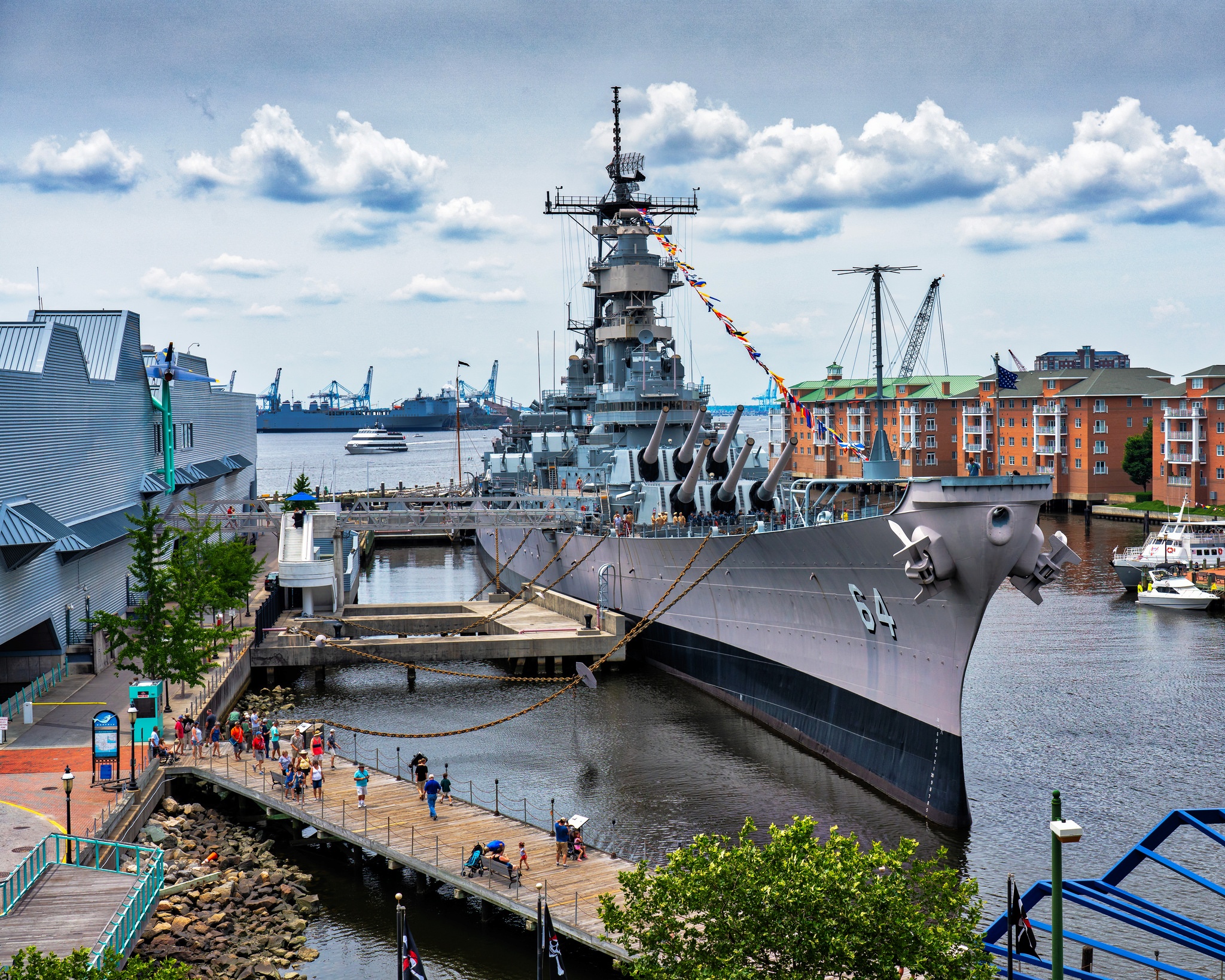
- The city has a strong connection to naval history, which influences local museums and community events.
- Norfolk’s historic districts showcase architectural styles that reflect different eras of prosperity and rebuilding.
- Norfolk’s growth accelerated during the twentieth century as naval and industrial expansion increased.
- The city’s transportation story includes the broader regional network of bridges and tunnels that connect Hampton Roads.
- Norfolk’s coastal location makes it a city where weather and water conditions are part of everyday conversation.
- Norfolk has played a major role in supporting large scale military operations through logistics and ship readiness.
- Norfolk’s modern economy blends maritime work with education, healthcare, arts, and service industries.
- The city continues to invest in adapting to coastal challenges, making resilience planning a big part of its future.
- Norfolk’s story is a reminder that port cities are crossroads, shaped by the world beyond their borders as much as by local tradition.
Discover more from City Towner
Subscribe to get the latest posts sent to your email.