
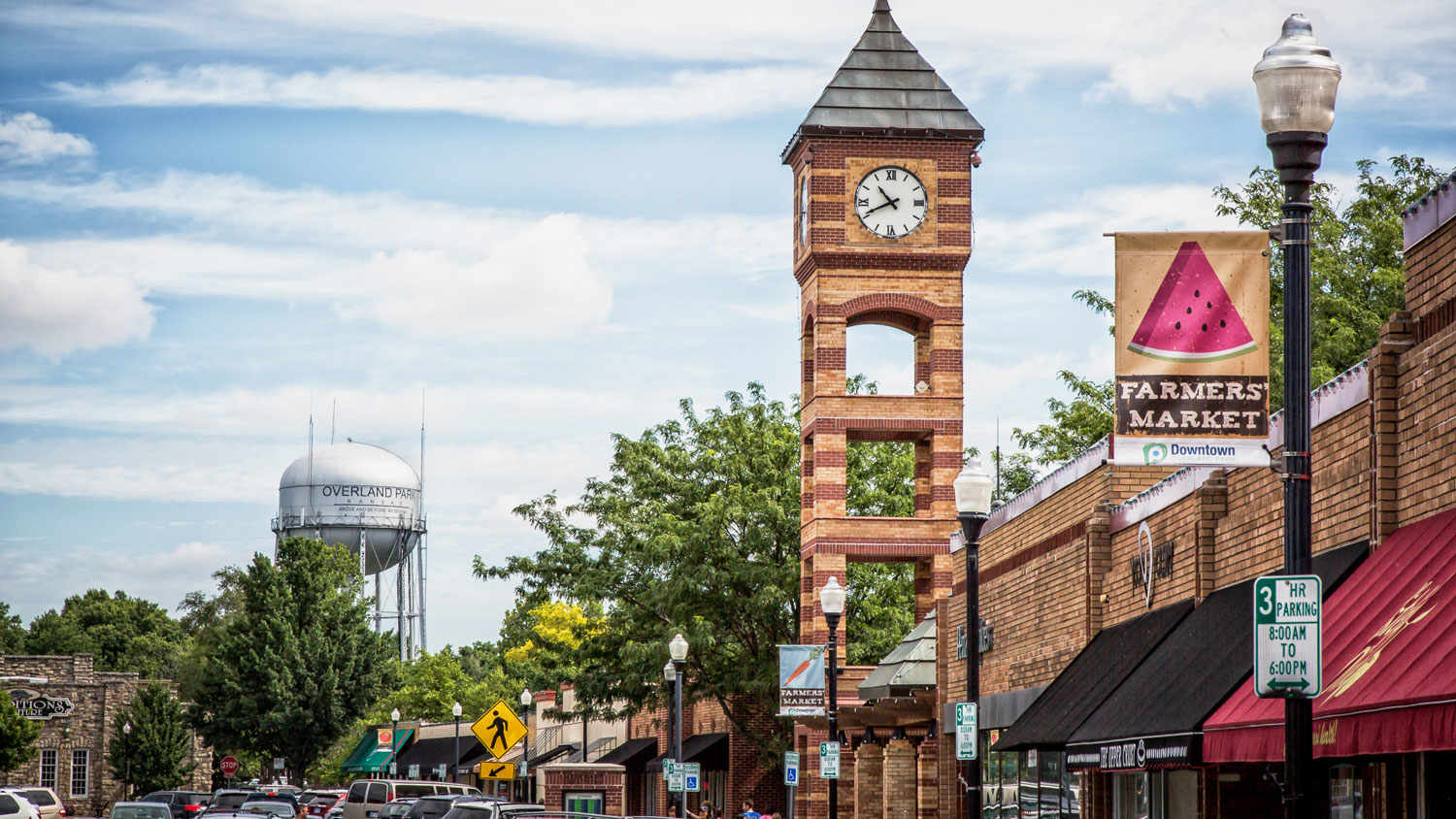
History of Overland Park Kansas
Overland Park, Kansas, grew from quiet prairie land into one of the most important suburban cities in the Kansas City metropolitan area. Its history reflects the broader story of Johnson County, the growth of transportation routes across the Great Plains, the rise of planned suburban development, and the transformation of farmland into a major center for families, commerce, education, and regional business. Long before Overland Park became known for neighborhoods, parks, shopping centers, offices, and schools, the area was part of a broad landscape shaped by Native peoples, frontier movement, wagon trails, agriculture, and the steady expansion of Kansas City.
The city did not begin as a traditional frontier town with a courthouse square, railroad depot, and dense commercial district. Instead, Overland Park emerged gradually from rural settlements and planned development. Its identity was shaped by a vision of suburban living that combined access to Kansas City with open space, orderly streets, and room for growth. That vision helped turn Overland Park from a small crossroads community into one of the largest cities in Kansas.
Native Peoples and the Prairie Landscape
Before European American settlement, the land that became Overland Park was part of a wide prairie region used and inhabited by Native peoples for generations. The area sat within a landscape of tallgrass prairie, wooded creek corridors, rolling terrain, and natural travel routes. Indigenous nations moved through, hunted, traded, and lived across the region long before permanent towns were established by settlers.
The land was connected to larger Native histories involving the Kansa, Osage, Shawnee, Delaware, and other peoples whose presence shaped eastern Kansas. The arrival of settlers, treaties, removals, and federal land policies changed the region dramatically during the nineteenth century. What later became Johnson County was deeply affected by these changes as Native lands were opened to settlement, missionary activity, farming, and transportation routes.
The natural features of the area influenced later development. Streams and gentle hills created fertile ground for farms, while the open prairie made wagon travel and road building possible. Over time, these same characteristics would attract suburban planners who saw the area as ideal for homes, schools, churches, parks, and commercial centers.
Trails, Settlement, and Early Johnson County
During the nineteenth century, eastern Kansas became an important passageway for westward movement. Trails and roads connected Missouri to the plains beyond, and the Kansas City area grew as a gateway to the West. The broader region around Overland Park was influenced by wagon routes, trade, and migration as settlers moved into Johnson County.
Johnson County was organized during the territorial period of Kansas, a time marked by political conflict, settlement pressure, and the struggle over whether Kansas would enter the Union as a free or slave state. The county developed as a mostly agricultural area, with farms, small settlements, churches, mills, and rural schools. Families raised crops, kept livestock, and built communities connected by dirt roads and local markets.
The area that would become Overland Park remained rural for many decades. It was not originally a large town but a collection of farms, roads, and scattered homes. Nearby communities such as Shawnee, Olathe, and Mission played roles in the early development of Johnson County, while the future Overland Park area waited for a later wave of growth tied to transportation and suburban expansion.
The Role of William B. Strang Jr.
The modern story of Overland Park is closely tied to William B. Strang Jr., a developer and visionary who saw opportunity in the rural land south of Kansas City. In the early twentieth century, Strang purchased land and began promoting a planned suburban community. His ideas helped define Overland Park as a place designed for modern living, transportation access, and organized growth.
Strang believed that people would want to live outside the crowded urban center while still remaining connected to Kansas City. He helped develop transportation links, including an interurban railway system that connected suburban areas with the city. This was a major factor in making the area more attractive to residents who wanted a quieter home environment but still needed access to jobs, shopping, and entertainment.
The name Overland Park reflected a connection to travel, movement, and the heritage of overland routes. Strang promoted the community as a pleasant and desirable place with parks, homes, and modern conveniences. His promotional efforts helped create a distinct identity for the area before it officially became a city.
Aviation, Recreation, and Early Community Life
One of the most interesting parts of early Overland Park history is its connection to aviation. Strang developed an airfield in the area during the early years of flight, making Overland Park part of the excitement surrounding aviation in the early twentieth century. Airplanes were still a new and fascinating technology, and airfields often became public attractions where people gathered to watch flights, exhibitions, and demonstrations.
The Strang Line, an interurban railway, also helped connect the developing community to Kansas City. This transportation system made it easier for residents and visitors to move between suburban neighborhoods and the urban core. The combination of rail service, roads, recreational space, and residential planning helped Overland Park stand apart from many rural settlements around it.
Early community life centered on homes, churches, schools, small businesses, and social gatherings. The area still had a rural feel, but the seeds of suburban growth had been planted. Overland Park was becoming a place where the city and countryside met, offering open space without complete isolation.
Growth Between the Wars
During the years between World War I and World War II, Overland Park continued to grow slowly. It remained smaller and more rural than the city it would later become, but gradual improvements in roads, utilities, and residential development helped prepare it for expansion. Automobiles became increasingly important, changing how people lived and worked. As car ownership grew, families no longer needed to live as close to streetcar or rail lines.
The area’s location near Kansas City made it well positioned for future suburban growth. People could commute to jobs in Missouri while living in Kansas, where they found more land and newer housing opportunities. Johnson County began to attract residents who wanted a suburban lifestyle, and Overland Park benefited from that trend.
Although development was still limited compared with later decades, the groundwork was being laid for a major transformation. Farms and open land remained common, but developers, residents, and local leaders increasingly saw the area as part of the future metropolitan landscape.
Postwar Expansion and the Suburban Boom
The period after World War II changed Overland Park more than any earlier era. Like many American communities, it experienced rapid suburban growth as returning veterans, young families, and expanding businesses moved outward from older urban centers. New roads, affordable mortgages, population growth, and the rise of automobile commuting all helped fuel development.
The demand for single family homes increased dramatically. Farmland gave way to subdivisions, schools, churches, shopping areas, and civic institutions. Developers built neighborhoods that reflected the ideals of mid twentieth century suburban life, with larger lots, curving streets, driveways, yards, and access to nearby services.
Overland Park’s growth was part of a national pattern, but it had its own local character. The community attracted families seeking good schools, safe neighborhoods, and convenient access to Kansas City. As the population grew, residents began to need a stronger local government structure. The area was no longer just a rural or semi rural community. It was becoming a city.
Incorporation as a City
Overland Park officially incorporated as a city on May 20, 1960. Incorporation marked a turning point in its history. It gave the community a formal municipal government and allowed local leaders to manage planning, zoning, public services, police protection, infrastructure, and future growth.
At the time of incorporation, Overland Park was already growing quickly, but its greatest expansion was still ahead. City leaders faced the challenge of guiding development while preserving quality of life. Streets, drainage, parks, public safety, and schools became central concerns. The city had to balance residential growth with commercial development and long term planning.
The decision to incorporate helped Overland Park shape its own destiny. Instead of being absorbed into neighboring jurisdictions or developing without coordinated oversight, it became a city with its own identity, leadership, and civic goals. That moment helped set the stage for decades of expansion.
Schools, Families, and Community Identity
Education became one of the most important parts of Overland Park’s identity. As families moved into the city, demand for schools increased. The growth of strong public school systems in Johnson County helped attract more residents, creating a cycle of development and community investment.
Schools were more than places of learning. They became neighborhood anchors, gathering places, and symbols of civic pride. Families often chose Overland Park because of its educational reputation, and the city’s growth remained closely tied to the quality of its school districts.
Community life also expanded through churches, youth sports, civic clubs, libraries, recreation programs, and neighborhood organizations. Overland Park developed a reputation as a family oriented city where suburban convenience and civic involvement went hand in hand. This reputation helped shape its image throughout the Kansas City region.
Commercial Development and a Changing Economy
As Overland Park’s population grew, its economy changed. Early development was mostly residential, but commercial growth soon followed. Shopping centers, offices, restaurants, medical facilities, and service businesses expanded to meet the needs of residents. Over time, Overland Park became not only a bedroom community for Kansas City but also a major employment center in its own right.
The development of office parks and business corridors helped transform the city’s economic role. Companies were attracted by available land, transportation access, skilled workers, and the growing population of Johnson County. The city became home to corporate offices, professional services, technology firms, health care businesses, financial companies, and regional headquarters.
Retail also became a major part of Overland Park’s development. Shopping areas grew along important roads, creating new commercial centers outside the older urban core. This shift reflected the changing habits of American consumers, who increasingly relied on cars and suburban shopping destinations.
Roads, Highways, and Regional Connections
Transportation has always played a major role in Overland Park’s history. From early overland routes and interurban rail service to modern highways and arterial roads, the city’s growth has depended on connectivity. Its location within the Kansas City metropolitan area gave residents access to jobs, culture, sports, airports, universities, and regional commerce.
Highways helped accelerate suburban growth by making commuting easier. Major roads connected Overland Park to Kansas City, Olathe, Lenexa, Leawood, Shawnee, and other parts of Johnson County. As the city expanded southward and westward, road planning became essential to managing traffic and development.
The automobile shaped Overland Park’s physical form. Neighborhoods, shopping centers, office parks, and schools were often designed around car access. At the same time, the city invested in parks, trails, and public spaces to create a more balanced suburban environment.
Parks, Green Space, and Quality of Life
Overland Park has long emphasized parks and recreation as part of its identity. The city’s name itself suggests open space and leisure, and that idea has remained important through decades of growth. Parks, trails, sports fields, playgrounds, gardens, and community facilities have helped define the city as a place focused on quality of life.
As development spread, preserving green space became increasingly important. Parks provided room for recreation and helped soften the impact of suburban expansion. Trails connected neighborhoods and gave residents places to walk, run, and bike. Public gardens and community spaces added character to the city and strengthened its sense of place.
This commitment to recreation helped Overland Park distinguish itself from purely commercial or residential suburbs. It became a city where planning, public amenities, and community expectations worked together to create a high standard of living.
Annexation and Southward Growth
One major feature of Overland Park’s history has been its geographic expansion. Over time, the city annexed land and grew southward into areas that had once been farmland. This expansion allowed the city to add new neighborhoods, schools, shopping districts, parks, and business areas.
Southward growth changed the city’s character. Older northern areas reflected earlier suburban patterns, while newer southern areas often featured larger subdivisions, newer commercial corridors, and more recent planning concepts. This created a city with several layers of development, each reflecting a different period in suburban history.
Managing this growth required careful planning. City leaders had to extend roads, utilities, police and fire protection, and public services across a larger area. Growth brought opportunity, but it also raised questions about traffic, land use, density, infrastructure, and preservation of community character.
Diversity and Modern Community Life
Overland Park has become more diverse over time. As the Kansas City region changed, the city attracted residents from many backgrounds, including people moving from other states and countries. Business growth, strong schools, and quality of life helped draw a wider population.
Modern Overland Park includes established neighborhoods, newer subdivisions, apartment communities, senior living developments, corporate campuses, cultural institutions, restaurants, religious communities, and public gathering places. Its identity is no longer only that of a quiet suburb. It is a large, complex city with a major role in the region.
Community life continues to evolve. Residents value safety, education, parks, convenience, and economic opportunity, but they also face modern urban and suburban issues such as housing affordability, transportation needs, redevelopment, and maintaining local character amid growth.
Downtown Overland Park and Historic Preservation
Downtown Overland Park remains an important link to the city’s early history. While much of the city developed through suburban expansion, the downtown area preserves a smaller scale community feel. Shops, restaurants, markets, public spaces, and local events give the area a sense of continuity with earlier generations.
Historic preservation in Overland Park is not only about old buildings. It is also about remembering the city’s unusual path from prairie land and planned suburb to major metropolitan city. Places associated with early development, transportation, commerce, and civic life help tell the story of how the community grew.
Downtown has also experienced revitalization as residents seek walkable areas, local businesses, and gathering places. This blend of history and renewal reflects a broader trend in suburban cities that are working to preserve older districts while adapting to modern needs.
Overland Park’s Place in Kansas History
Overland Park holds a special place in Kansas history because it represents the rise of the modern suburb as a powerful force in American life. While many Kansas communities were founded around agriculture, railroads, county seats, or frontier trade, Overland Park became prominent through planned suburban growth, metropolitan expansion, and postwar development.
Its history shows how transportation, land development, schools, civic planning, and business investment can transform a rural area into a major city. It also reflects the shifting relationship between Kansas and Missouri within the Kansas City region. Overland Park grew because it was connected to Kansas City, but it also developed its own economic strength and civic identity.
Today, it is one of the most recognized cities in Kansas. Its story is not defined by a single event, but by steady growth, planning, adaptation, and the decisions of residents and leaders over many decades.
Legacy of Growth and Planning
The history of Overland Park is a story of transformation. What began as prairie and farmland became a planned community, then a growing suburb, and eventually a major city with regional influence. Its development was shaped by William B. Strang Jr.’s early vision, the growth of transportation networks, the postwar housing boom, strong schools, commercial expansion, and long term civic planning.
Overland Park’s legacy is also tied to the expectations people brought with them when they moved there. Families wanted space, safety, opportunity, education, and access to the larger metropolitan economy. Businesses wanted land, workers, and connectivity. City leaders worked to create public services and amenities that could support continued expansion.
The city’s history continues to unfold as it balances growth with preservation, suburban comfort with urban complexity, and local identity with regional importance. Overland Park, Kansas, stands as a clear example of how a community can grow from open prairie into a major modern city while still carrying traces of its earliest vision as a place of movement, opportunity, and planned living.
Discover more from City Towner
Subscribe to get the latest posts sent to your email.