
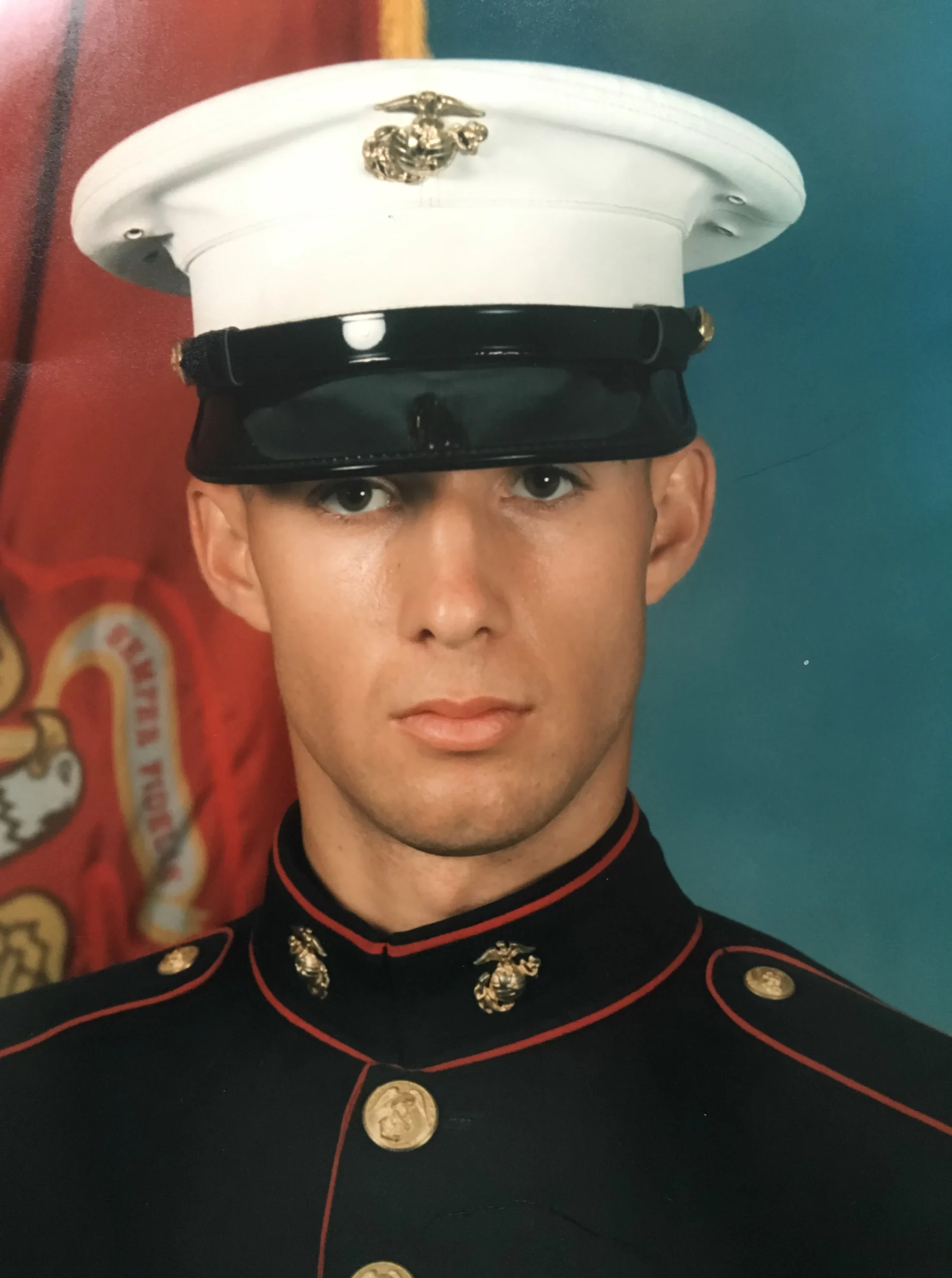
The Disappearance of Former Marine Troy Galloway in Sonora California
Troy Robert Galloway was a former United States Marine, a husband, and a father living in the Crystal Falls area of Sonora, California. To the people closest to him, he was not the type to vanish without a word. He had responsibilities at home and young children who depended on him, and his life was rooted in routine in a tight knit community in Tuolumne County.
That is part of what makes his disappearance so unsettling. There was no long goodbye, no packed bag, no clear plan to start over. There was only an ordinary night that turned into an absence, and an investigation that kept circling back to one place where answers might be hiding.
Sonora, Crystal Falls, And A Community That Heard Something Was Wrong
Sonora sits in the Sierra Nevada foothills, a region where winter nights can turn harsh fast. Crystal Falls Ranch is the kind of neighborhood where people notice when something feels off. When Troy disappeared, the setting mattered because it shaped what could have happened and how quickly someone could be lost.
The night Troy vanished was cold, the kind of cold that makes even a short walk risky if you are not dressed for it. Multiple accounts have emphasized that Troy left his home underdressed for the weather, without the protection most people would instinctively grab before stepping outside. That detail has followed the case for years because it suggests urgency, confusion, or a sudden decision that did not include normal preparation.
In cases like this, clothing becomes more than a description. It becomes a clue about state of mind, about whether a person expected to be gone for minutes or hours, and about whether they were thinking clearly when they crossed the threshold.
January 13, 2016 And The Moment Troy Was Last Seen
On January 13, 2016, Troy was last known to be at home in Sonora. At some point that night, he left. After that, he was never seen again.
The simplest facts are often the most painful. A man walks out into the night, and the world never gets a confirmed record of where his feet carried him next. There were no verified public sightings that placed him safely somewhere else. There was no clear trail of purchases, conversations, or movements that could anchor investigators to a specific direction.
What followed was the kind of uncertainty families describe as a permanent emergency. Every hour that passed without contact raised the stakes, but the case was not solved in days. It stretched into weeks, then months, then years, with each season adding distance between the last known moment and any chance of certainty.
Early Confusion And The Missing Hours That Matter Most
Disappearances are often decided by the first stretch of time after the person is last seen. Those early hours are when memories are sharpest, when physical traces are freshest, and when a witness is most likely to recall a sound, a vehicle, or a conversation.
In Troy’s case, the early period was marked by confusion about what had happened, what had been reported, and what information might connect. Neighbors in the area reportedly heard a disturbance the night he vanished, and that idea became one of the most troubling pieces of the story. If something happened outside, it could point to an accident, an altercation, or a moment of crisis that changed the course of the night.
At the same time, the absence of a confirmed trail created a second problem. When a person disappears without leaving a clear path, investigators have to consider multiple possibilities at once: a medical episode, a disoriented walk into dangerous terrain, a voluntary departure, or foul play. The case becomes a puzzle with too many solutions, and each solution needs evidence that may not exist on the surface.
The Lake That Would Not Let Go Of The Investigation
Over time, Crystal Falls Lake became the focal point. The lake is man made and sits close enough to the neighborhood that it could plausibly intersect with a late night walk or a chaotic event. It is also a place where a person could enter the water and never resurface in a way that leads to quick recovery, especially if visibility is low and conditions are cold.
Investigators eventually developed evidence that narrowed their focus toward the lake. The conclusion that Troy’s last known location was in the water carried enormous weight, because it suggests a specific ending even without recovery. It also reframed the case away from distant possibilities and back toward a single, contained scene.
That investigative focus did not arrive overnight. It came after years of work, after leads were pursued, after tips were evaluated, and after technology and analysis tools improved. In missing person cases, time can add obstacles, but it can also add new methods. Phone related data, mapping, and improved investigative techniques can sometimes reveal patterns that were invisible early.
The Decision To Drain Crystal Falls Lake
In 2021, a major step was taken that showed how strongly investigators believed the lake mattered. Crystal Falls Lake was drained and searched. The operation was not casual. A lake does not get drained without planning, coordination, and confidence that the effort is justified.
The search represented a brutal kind of hope. If Troy was in the water, draining the lake could bring him home and provide closure. It could also confirm what happened and allow a family to stop living in the suspended space between possibility and grief.
But the search did not deliver the answer people wanted. No definitive trace was publicly confirmed as being found during the effort. The lake gave up mud and debris, but not the clear resolution the community and family had been waiting for.
When a search like that comes up empty, it does not erase the theory. It complicates it. It forces investigators to reconsider whether the timing, the placement, or the interpretation of evidence is incomplete. It also forces families to endure another emotional cycle: building hope around a major development, then facing the quiet afterward.
The Questions That Still Shape Troy’s Disappearance
Troy’s case sits at the intersection of several difficult questions.
Why did he leave underdressed on a cold night. Was it a quick step outside that turned into something else. Was he responding to a sound, a call, or a personal emergency. Was he disoriented, upset, or in a state where he was not making normal decisions.
What happened during the window when neighbors reported hearing a disturbance. Was it related to Troy. If it was, who else was present and what did they see. If it was not, why did the timing line up in a way that continues to draw attention.
If the lake theory is correct, how did he enter the water. Was it a slip, a fall, or an intentional act. Was he alone. Was there an attempt to help him that failed. Was there a struggle. Each possibility creates different implications, and without recovery, the case remains open to interpretation.
If the lake theory is not correct, what explains the absence of a trail. A person cannot vanish without leaving some interaction with the world unless the circumstances are unusually isolating or evidence is intentionally removed.
These questions persist because the case does not offer a clean narrative. It offers a sharp beginning, a cold night, and then silence.
The Family, The Waiting, And The Cost Of Not Knowing
For the families of missing people, time is not a healer. Time is a constant recalculation. Birthdays pass. Holidays arrive. Children grow. Every milestone becomes a reminder of who is not there.
Troy was a father when he disappeared, and that changes the emotional gravity of the case. It means there were small children whose lives continued while a central figure vanished. It means there are years of moments that cannot be reclaimed, and a family that has had to hold two realities at once: the practical need to keep living, and the unrelenting need to know what happened.
The community aspect matters too. In places like Crystal Falls and Sonora, people do not forget. A missing neighbor is not an abstract statistic. It is a driveway that stays quieter than it should, a name that still comes up in conversations, and a question that hangs over the same streets and shoreline.
A Disappearance Still Defined By One Winter Night
Troy Robert Galloway disappeared on January 13, 2016 in Sonora, California, leaving behind a case shaped by cold weather, an abrupt departure, reports of a disturbance, and years of investigative focus that narrowed toward Crystal Falls Lake.
The draining of the lake showed how serious the search became, and how determined authorities and loved ones were to find something that could end the uncertainty. The lack of a public resolution after that effort only deepened the mystery.
What remains is the same core truth that drives every missing person case: someone knows something that matters. It could be a detail that seemed minor at the time, a sound dismissed as nothing, a vehicle seen and forgotten, a conversation that did not feel important until it was too late. Until that missing piece surfaces, Troy’s story remains unfinished, and a winter night in Sonora remains the last known chapter.
Discover more from City Towner
Subscribe to get the latest posts sent to your email.